In modern medicine, drug development, and healthcare monitoring, the ability to collect continuous, medical-grade biometrics from patients in their natural environment has shifted from a novel feature to a critical research standard. The paradigm of Decentralized Clinical Trials (DCTs) relies heavily on the robustness, reliability, and security of Wearable Health Data Collectors. Global healthcare industries require continuous streams of high-fidelity biometric data, including photoplethysmography (PPG), electrocardiography (ECG), bioimpedance, tri-axial accelerometry, and skin temperature.
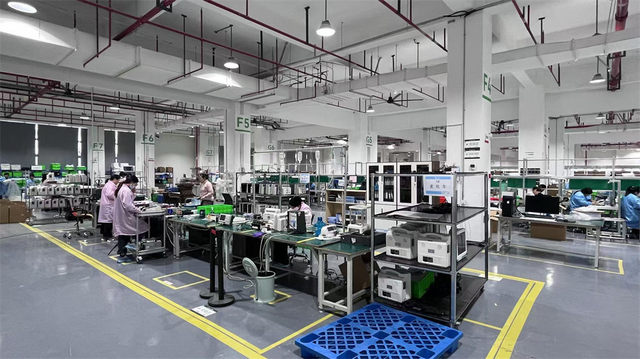
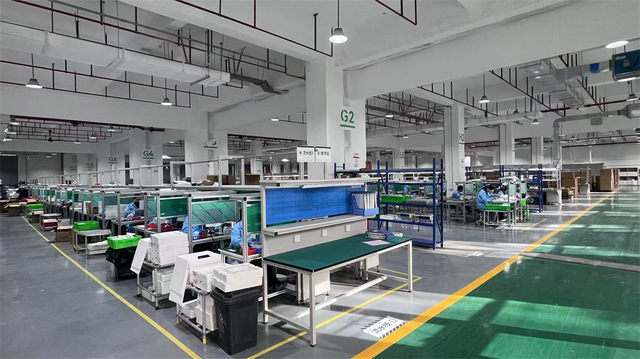
Dongguan Trial Medical Co., Ltd., established in 2016, stands at the absolute vanguard of this industrial transformation. Operating out of an advanced, state-of-the-art 11,000+ square meter manufacturing facility with a dedicated team of over 230 precision manufacturing specialists, clinical-grade R&D engineers, and QA personnel, Trial Medical is a key supplier of remote clinical trial monitoring devices, decentralized clinical trial solutions, and digital research technologies.
Global pharmaceutical sponsors, Contract Research Organizations (CROs), and medical technology innovators face intense regulatory scrutiny. FDA 21 CFR Part 11 and GDPR mandate absolute data integrity, security, and traceability. The procurement of health data collection devices is no longer a simple hardware purchase; it is a critical regulatory component.
Global enterprise sourcing directors prioritize several core capabilities:
As a major global hub for advanced manufacturing, electronic innovation, and medical device integration, Dongguan offers an unparalleled supply-chain ecosystem. This ecosystem allows Dongguan Trial Medical Co., Ltd. to optimize raw material sourcing, micro-electronic component integration, and quality testing down to the single-unit level.
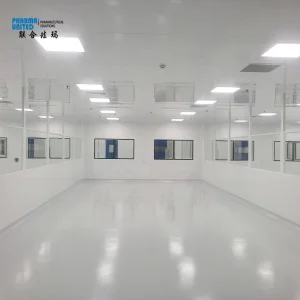
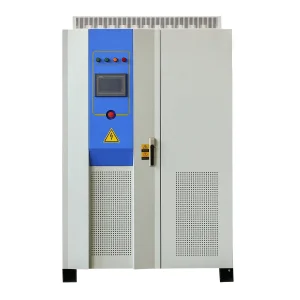
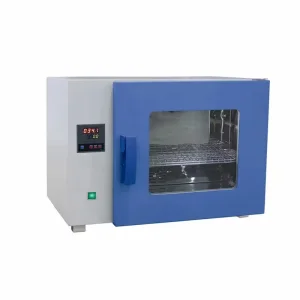
Consistent with Google's E-E-A-T guidelines, we showcase authentic manufacturing environments, advanced quality control stations, and system integration testing floors at our facilities. Below is the visual evidence of the precision cleanrooms, testbeds, and production lines operating daily:
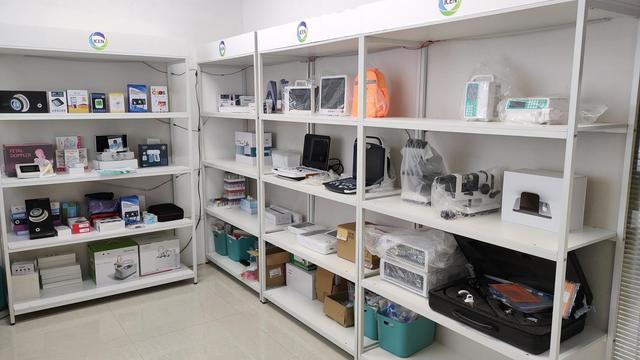
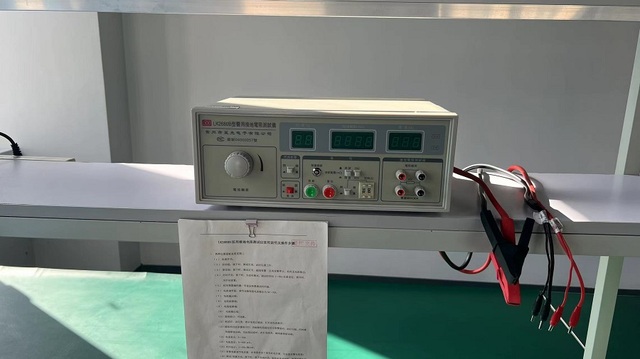
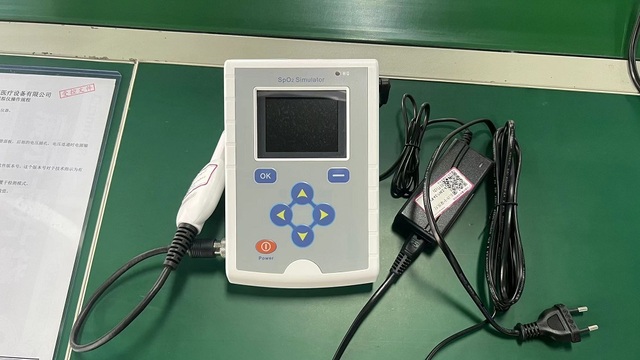
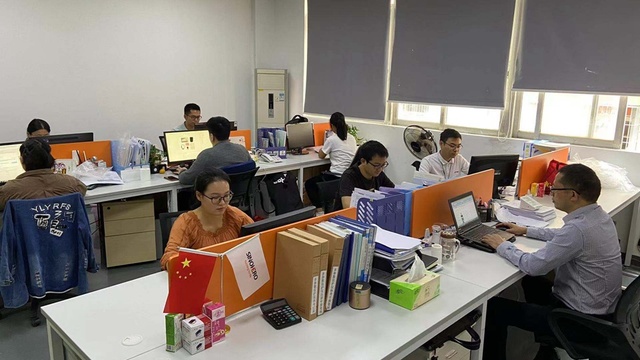
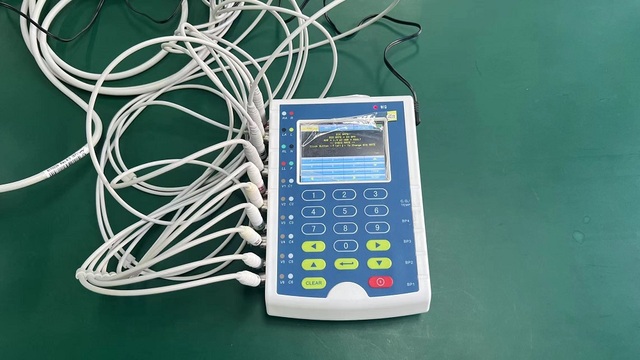
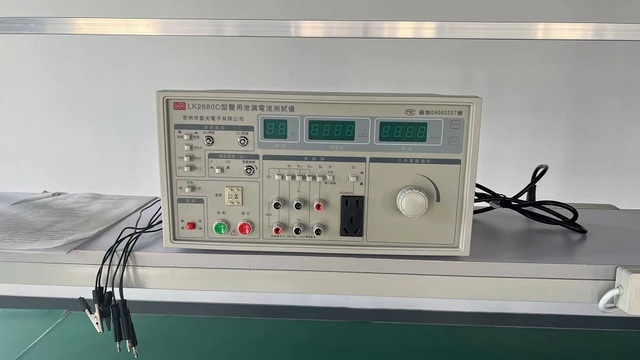
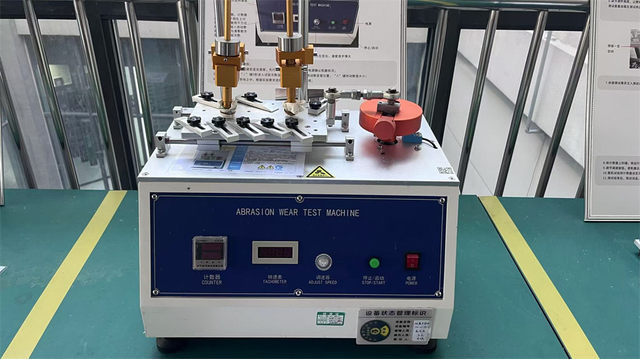
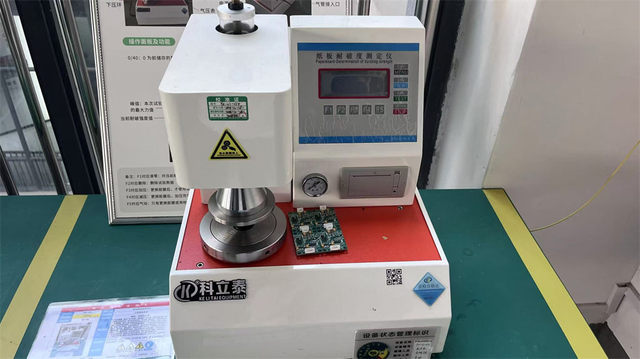
The deployment of wearable health data collectors extends across various clinical and commercial landscapes. Key focus areas include:
| Clinical/Commercial Domain | Monitored Biometric Channels | Primary Regulatory Focus | Technical Objective |
|---|---|---|---|
| Decentralized Clinical Trials (DCT) | ECG, PPG, SpO2, Temperature, Sleep Cycles | 21 CFR Part 11, HIPAA Compliance | Reducing patient dropout rates and capturing real-world clinical endpoints. |
| Remote Patient Monitoring (RPM) | Blood Pressure, Continuous Glucose (integration), Heart Rate | ISO 13485, CE Medical Device Regulation | Detecting anomalies early and minimizing re-hospitalization rates. |
| Occupational Health & Industrial Safety | Postural Ergonomics, Heart Rate Variability (HRV), Heat Index | OSHA Standards, local labor directives | Monitoring stress and fatigue levels to prevent injuries. |
| Military & First Responder Telemetry | Hydration index, core temp, metabolic load, active location | MIL-STD-810G ruggedization levels | Ensuring unit safety during training and tactical deployments. |
The field of wearable medical data capture is transitioning from reactive tracking to proactive, AI-driven diagnostic assistance. We are focusing our R&D efforts on three primary vectors:
By integrating low-power neural networks directly into ARM Cortex-M series microcontrollers, devices can detect cardiac arrhythmias or respiratory distress directly on the user's wrist. This minimizes cellular bandwidth consumption by transmitting detailed wave captures only when an anomaly is identified.
Future configurations will integrate multi-spectral photoplethysmography (PPG) sensors to measure indices like tissue perfusion and continuous blood pressure without an external pressure cuff. Solid-state, sweat-based biosensors are also showing promise for non-invasive metabolic analysis.
As environmental regulations become stricter, health data collectors are shifting toward medical-grade, allergen-free biocompatible materials that are fully recyclable or biodegradable, reducing medical electronic waste.
 Trial Medical