The global healthcare landscape is undergoing a tectonic shift toward Connected Health Research Devices. As a leading manufacturer and factory hub, we recognize that the future of clinical trials lies in the ability to collect high-fidelity, real-world data outside traditional clinic walls. This paradigm shift, often termed Decentralized Clinical Trials (DCT), relies heavily on the reliability and precision of the hardware manufactured at the source.
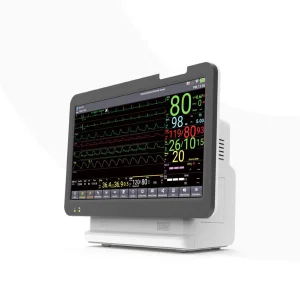
Modern medical device manufacturing is no longer just about hardware assembly; it is about the integration of biocompatible sensors, low-energy Bluetooth (BLE) modules, and secure cloud gateways. Our factories operate at the intersection of micro-electronics and medical science, ensuring that every device—from a simple fetal doppler to complex multi-parameter monitors—meets the rigorous "Information Gain" requirements of modern researchers.
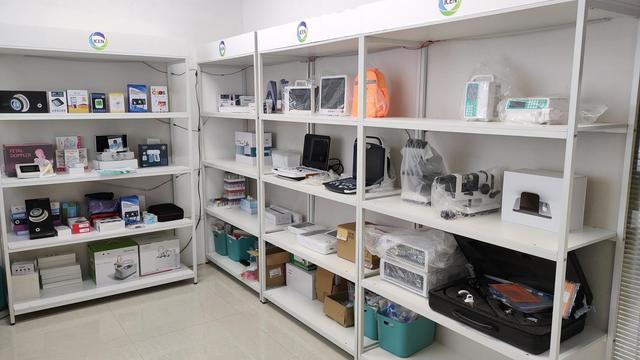
Dongguan Trial Medical Co., Ltd. is a specialized manufacturer of remote clinical trial monitoring devices, decentralized clinical trial solutions, and digital research technologies. Established in 2016, the company is located in Dongguan, China, a major center for advanced manufacturing and medical technology innovation.
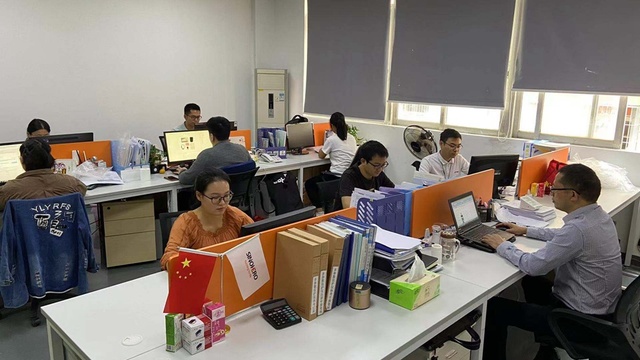
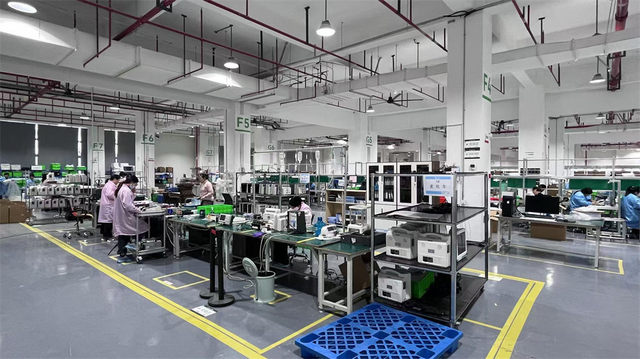
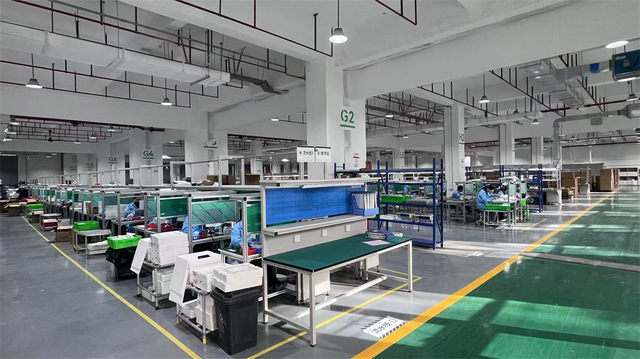
Operating from a modern facility covering more than 11,000 square meters, with a team of over 230 employees, Trial Medical is dedicated to developing innovative technologies that support CROs, pharmaceutical companies, and academic centers worldwide.
The company's portfolio includes remote clinical trial monitoring devices, wearable health data collection systems, patient engagement platforms, electronic clinical outcome assessment (eCOA) solutions, and digital research tools.
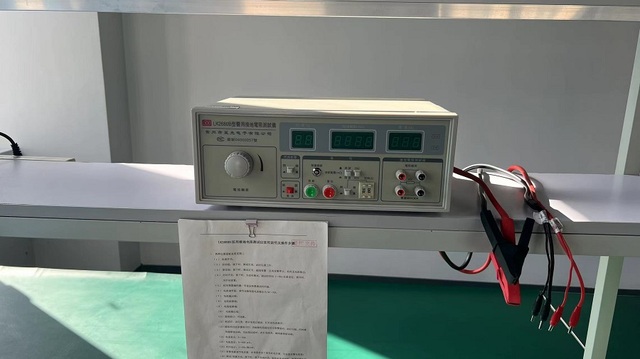
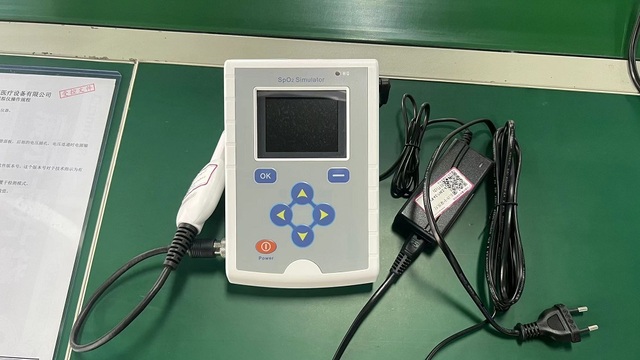
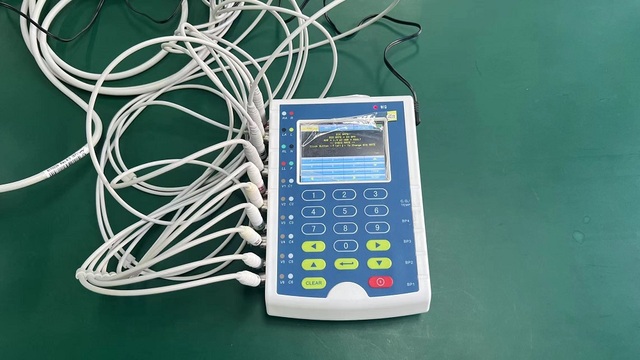
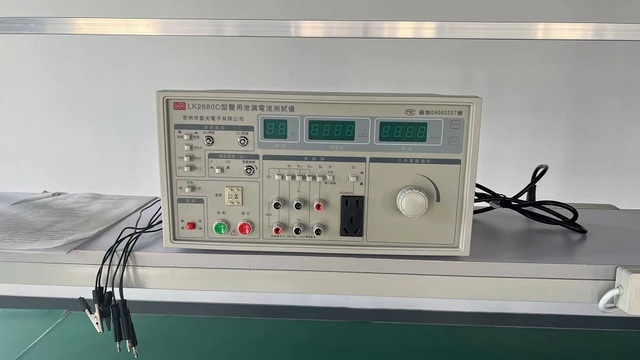
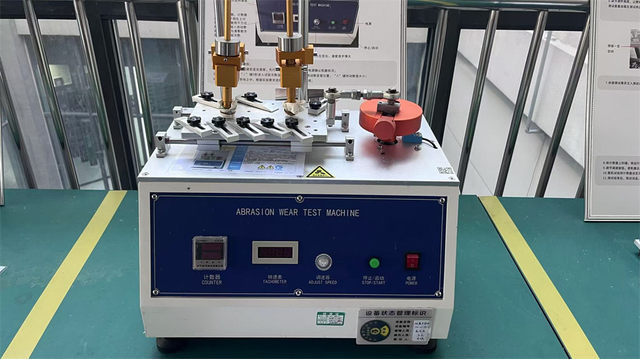
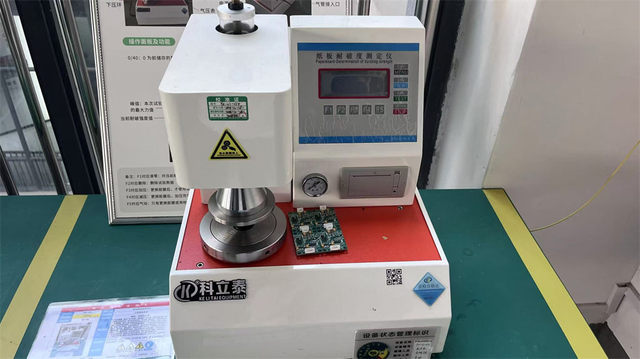
Supported by an experienced team of engineers, software developers, and quality management professionals, Trial Medical continuously invests in research and development to address the evolving needs of modern clinical studies. The company integrates advanced connectivity technologies, cloud-based data management capabilities, and intelligent monitoring functions to support reliable and scalable clinical research operations. Comprehensive quality control procedures are implemented across product design, manufacturing, testing, and inspection processes to ensure consistent performance.
Our manufacturing capability enables the mass production of devices that allow patients to participate in life-saving research from the comfort of their homes. This reduces patient burden and increases diversity in clinical cohorts.
Connected health devices provide continuous monitoring for conditions like cardiovascular disease, diabetes, and respiratory issues, moving from "reactive" to "proactive" healthcare models.
By leveraging IoT-enabled devices, researchers can collect data that reflects how patients actually live, rather than just how they perform during a 20-minute clinic visit.
As a leading Connected Health Research Devices Factory, we are committed to a roadmap that emphasizes Semantic Data Integrity and AI-driven Diagnostics. Our R&D focus for 2024-2026 includes:
Implementing machine learning algorithms directly on the device hardware (Edge AI) to filter noise and provide real-time alerts without needing constant cloud connectivity.
Transitioning from traditional Wi-Fi/Bluetooth to Narrowband IoT (NB-IoT) to ensure devices remain connected in rural or underserved areas with minimal power consumption.
Ensuring all manufactured devices output data in formats like HL7 FHIR, allowing seamless integration with global Electronic Health Records (EHR) systems.
Navigating the regulatory landscape is the most critical aspect of medical device manufacturing. Our factories adhere to the following global standards to ensure Reliability (E-E-A-T):
Our connected health devices are deployed across diverse environments, each requiring specific optimization:
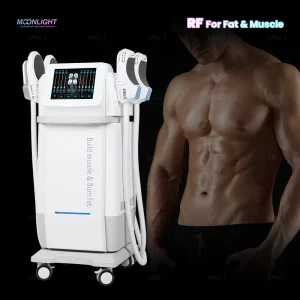
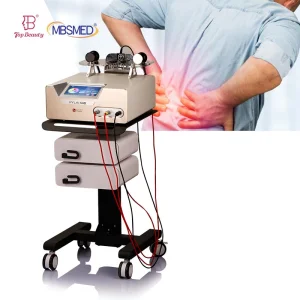
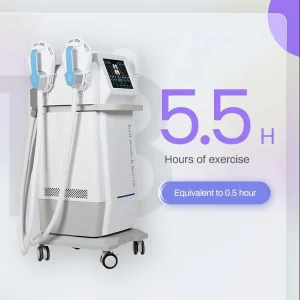
Using Tecar RF and EMS devices in post-surgical recovery at home, with data synced directly to the therapist's dashboard.
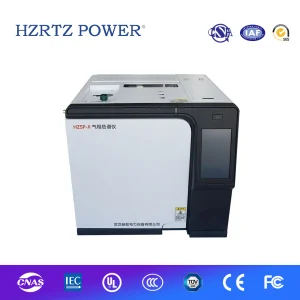
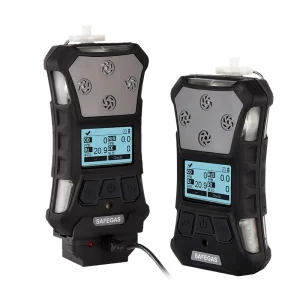
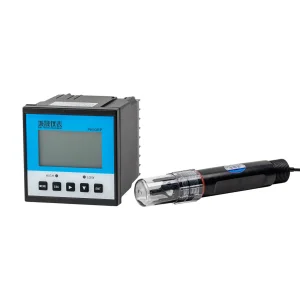
Multi-gas detectors and safety monitors integrated into smart factory dashboards to protect workers in hazardous environments.
Non-invasive monitoring systems that detect anomalies in vital signs without disrupting the daily lives of residents.
 Trial Medical