Premium specialized devices, testing units, and automation platforms curated for biomedical validation, power infrastructure, and research diagnostics.
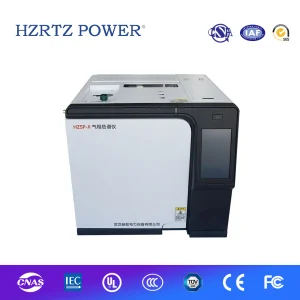

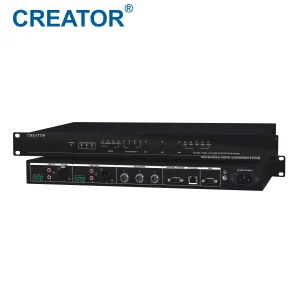
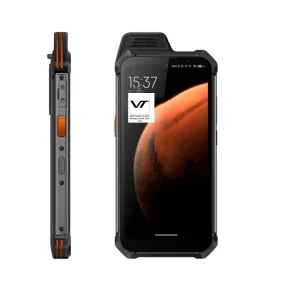
Analyzing the evolution of B2B data collection hardware, strict regulatory standards, and the transition toward decentralized clinical monitoring systems.
In modern biopharmaceutical development, clinical research, and complex industrial diagnostic systems, the validation of data integrity is paramount. Historically, research institutions and industrial systems operated within siloed environments where manual reporting dominated. The contemporary global market, however, is witnessing an unprecedented transition to automated, cloud-connected Electronic Data Capture (EDC) systems and edge data capture platforms. This transition is not merely a preference for convenience but a strict mandate driven by regulatory expectations such as FDA 21 CFR Part 11, EU Annex 11, and the ICH E6(R2/R3) guidelines for Good Clinical Practice (GCP).
Global decentralized clinical trials (DCTs) are scaling rapidly, projected to grow at a CAGR of over 14.5% through 2030. At the heart of this growth is the need for highly integrated, medical-grade physical data capture infrastructure. Devices such as wireless remote clinical monitoring sensors, rugged industrial PDAs, and bio-inspired sensing platforms are bridging the physical-digital divide. They act as the front-end data collection gateways, converting physiological signals, environmental diagnostics, and chemical metrics into encrypted, structured data pipelines ready for ingestion by core enterprise EDC software suites.
This integration ensures ALCOA+ data integrity principles (Attributable, Legible, Contemporaneous, Original, Accurate, Complete, Consistent, Enduring, and Available). To satisfy these demands, global life science and industrial engineering firms are shifting from software-only models to comprehensive ecosystem designs, highlighting the critical role of specialized hardware engineering manufacturers.
Established in the heart of high-technology manufacturing to build next-generation hardware platforms for decentralized trials and clinical telemetry.
Operating as an elite-tier industry manufacturer, Dongguan Trial Medical Co., Ltd. has established itself as an authority in the field of remote clinical trial monitoring, medical IoT gateways, and decentralized digital research technology development. Founded in 2016 and located in Dongguan, China—the world-renowned epicenter of electronic innovation and advanced medical device engineering—the enterprise operates from a state-of-the-art facility spanning over 11,000 square meters.
Supported by a multidisciplinary team of over 230 employees, Trial Medical is built on a foundation of scientific rigor, hardware-software co-design, and strict quality assurance. The company's core focus encompasses remote safety monitoring systems, patient engagement software integrations, wearable health data collection systems, and electronic clinical outcome assessment (eCOA) technologies. By marrying high-frequency telemetry with cloud synchronization capabilities, Trial Medical allows pharmaceutical companies, research hospitals, and global Contract Research Organizations (CROs) to execute clinical protocols with minimized protocol deviations, higher patient compliance, and streamlined study management.
Our operational capabilities extend beyond standard medical device manufacturing. We maintain end-to-end control of our design, hardware prototyping, microcircuit assembly, software middleware integration, and biosensor validation pipelines. This allows us to serve as a reliable OEM/ODM partner for custom telemetry platforms.
Unlocking the synergy of deep supply chain integration, rapid prototyping, and cost-controlled precision manufacturing in Dongguan's elite technology ecosystem.
Why do leading life science organizations and global enterprises source their data capture and diagnostic hardware from Dongguan? The answer lies in the unmatched concentration of the electronics and mechanical engineering ecosystem. In Dongguan, raw materials, active sensor components, high-precision injection molding, PCB fabrication, and validation laboratories exist within a 5-mile radius. This density significantly compresses the product development lifecycle.
At Dongguan Trial Medical Co., Ltd., we transform this systemic structural advantage into real-world client benefits:
From initial CAD modeling and functional circuit board layouts to a validated physical prototype, our teams execute iterations in days rather than weeks, accelerating time-to-market for vital clinical projects.
Our state-of-the-art facility features certified dust-free environments that prevent particulate contamination during electronic and optical assembly, ensuring high yield and absolute sensor precision.
By leveraging key partnerships with components manufacturers, we buffer against macroeconomic raw material bottlenecks, ensuring a consistent and predictable supply of medical-grade electronic components.
Through this level of infrastructure control, Dongguan Trial Medical maintains a competitive pricing architecture while delivering a level of manufacturing quality that meets or exceeds the requirements of demanding global regulatory landscapes, including FDA, CE, PMDA, and NMPA audits.
Mapping specialized data capture interfaces across industries, highlighting the integration of AI, Edge Diagnostics, and automated telemetry.
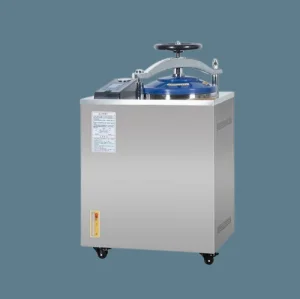
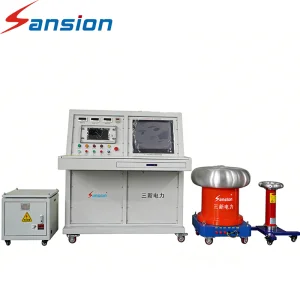
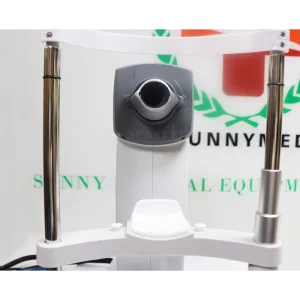
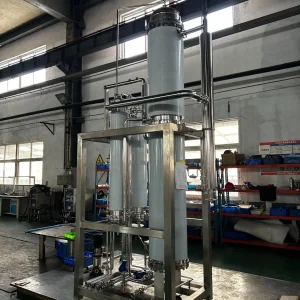
The application of advanced data capture and testing equipment reaches far beyond typical clinical trial software databases. Industrial engineering, high-voltage infrastructure management, ophthalmic analysis, and environmental science rely on specialized hardware units to acquire, validate, and store vital parameters.
As we look to the future, three key developments are transforming the electronic data capture sector:
1. Edge AI and Real-time Validation: Instead of transmitting raw sensor feeds to centralized databases, modern devices analyze data streams locally, filtering out background noise and flagging sensor anomalies prior to transmission. This saves bandwidth and reduces cloud processing overhead.
2. Multi-sensor Data Synthesis: High-end platforms combine optical, chemical, and physical sensor feeds into unified diagnostic interfaces, providing clinicians and researchers with comprehensive profiles rather than isolated data points.
3. Battery Innovations and Low-Power Architectures: Breakthroughs in micro-controller energy management, coupled with high-density lithium polymer integration, enable diagnostic devices to run uninterrupted for months, improving patient adherence and research reliability.
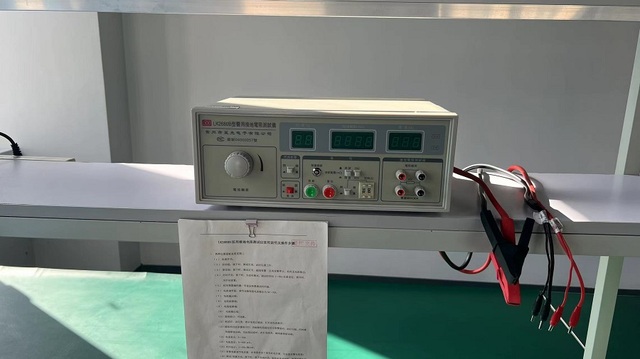
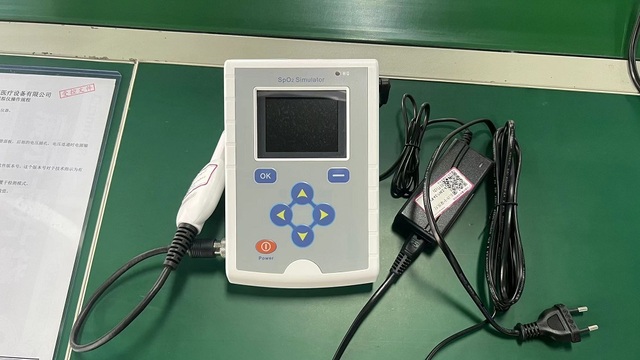
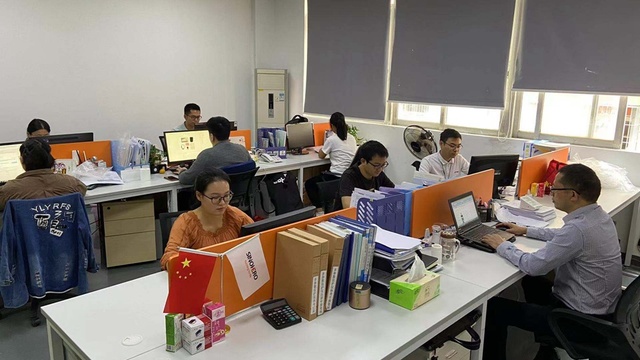
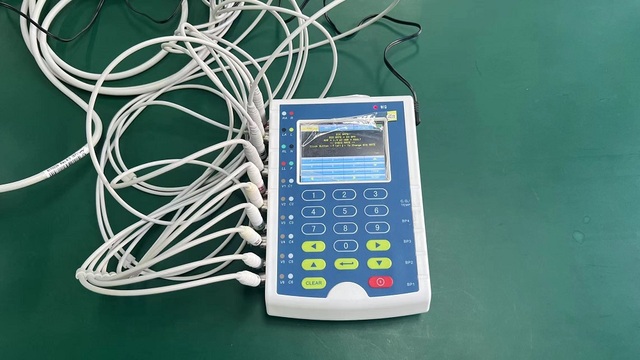
An inside look at our manufacturing floors, testing laboratories, cleanrooms, and warehouse operations, validating our capacity and expertise.
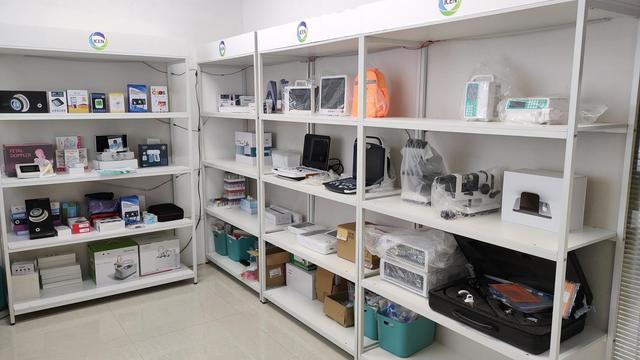


Navigating global compliance frameworks, quality assurance procedures, and hardware customizability for high-stakes clinical research.
Purchasing clinical-grade electronic data capture devices and high-precision testing hardware involves navigating strict regulatory and operating requirements. For global procurement officers, contract research managers, and technical directors, selection hinges on several key criteria:
1. Strict Regulatory Compliance: Sourced hardware must operate seamlessly within GxP-regulated environments. The firmware must record comprehensive audit trails, restrict device controls through user permission protocols, and facilitate data backups. Our solutions align with FDA 21 CFR Part 11 and EU Annex 11 frameworks to ensure data integrity.
2. Interoperability & Open Integration: Proprietary data formats limit scalability. Modern clinical and research environments require devices that communicate through standardized interfaces, including BLE, Wi-Fi, 4G LTE, and protocols like MQTT or JSON-based REST APIs. This allows direct integration with third-party EDC software suites, EHR databases, and cloud analytics dashboards.
3. Design Control and Full Customization: Standard products rarely meet the precise requirements of specific clinical protocols or industrial environments. Procurement teams need an OEM/ODM partner capable of modifying enclosure shapes, integrating specialized sensor arrays, adjusting battery capacities, or co-developing custom firmware to match study needs.
Through robust design control procedures, automated hardware validation systems, and comprehensive validation documentation packages, Dongguan Trial Medical addresses these purchasing requirements, simplifying international regulatory submissions and hardware integration.
Technical answers to common B2B procurement, design, and regulatory compliance questions in clinical trials.
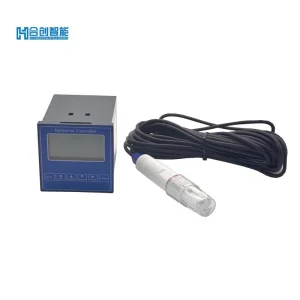
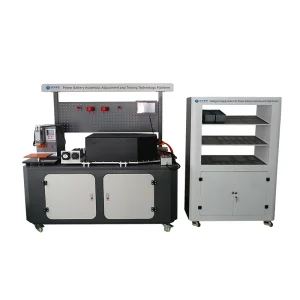
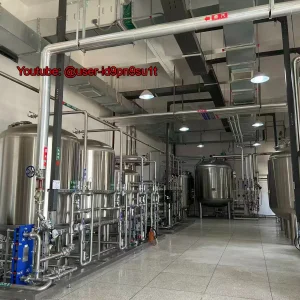
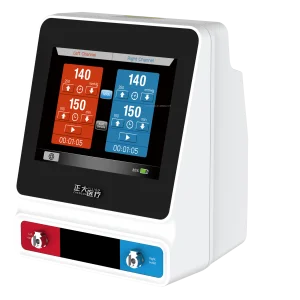
Precision analytical instruments, sensing platforms, water treatment systems, and surgical equipment engineered for laboratories, healthcare facilities, and manufacturing plants.



 Trial Medical