Pioneering real-time operational efficiency and biological safety with advanced sensor architectures.


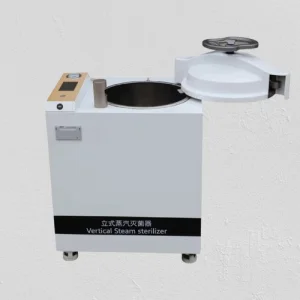
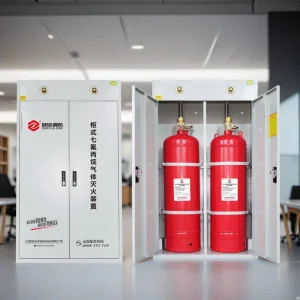
In the era of hyper-connected industrial ecosystems and digitized medicine, the demand for enterprise-grade OEM/ODM Real-Time Monitoring Solutions has scaled exponentially. No longer confined to basic logging mechanisms, modern telemetric networks require latency-free data synchronization, advanced edge processing capabilities, and absolute system reliability. Industries ranging from high-stakes clinical research to multi-megawatt energy storage networks rely heavily on continuous sensor acquisition to optimize operational integrity, ensure safety, and mitigate regulatory non-compliance risks.
From a global business standpoint, real-time monitoring solutions act as the central nervous system of modern enterprise architectures. Industrial facilities utilize IoT edge gateways and RTU (Remote Terminal Unit) architectures to monitor variables such as high-frequency electrical discharges, ambient temperature changes, and environmental dust risks. Simultaneously, the medical and clinical trial domains are shifting rapidly toward decentralized trial methodologies (DCTs), where wearable medical systems continuously broadcast patient biomarkers back to centralized electronic health record (EHR) platforms.
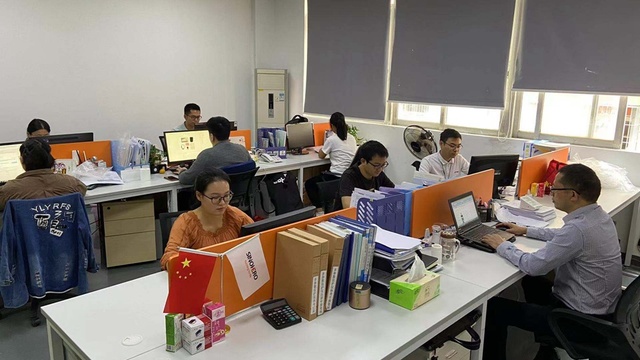
Recognizing this structural evolution, Dongguan Trial Medical Co., Ltd. has positioned itself at the cutting edge of remote clinical trial monitoring, decentralized trial technologies, and custom digital research systems. Operating from a highly specialized, modern facility of over 11,000 square meters in Dongguan, China—the global epicenter for advanced microelectronic manufacturing—the organization leverages over 230 employees dedicated to formulating end-to-end telemetry devices, wearable health tracking architectures, and customizable IoT edge solutions.
The industrial telemetry landscape is shaped by three key variables: sensor intelligence, high-efficiency processing at the edge, and low-power wireless data networks. In the past, traditional Supervisory Control and Data Acquisition (SCADA) systems were restricted by physical wiring and regional deployments. Today, the rise of cellular networks such as 4G LTE/5G, alongside LPWAN standards like NB-IoT and LoRaWAN, allows for immediate remote data collection.
Concurrently, decentralized clinical trials (DCTs) are transforming how biotechnology organizations and pharmaceutical sponsors assess drug efficacy. The reliance on legacy centralized hospital check-ins is shifting toward patient-centric models. By employing remote patient monitoring (RPM) equipment, clinical research organizations (CROs) can reduce patient drop-out rates, capture real-world data (RWD) with high temporal precision, and detect adverse clinical events early.
Outside the medical arena, this paradigm extends to clean energy storage safety. High-capacity battery storage setups (such as LiFePO4 batteries paired with grid inverters) require active cell balancing and real-time thermal monitoring to prevent thermal runaway. This overlapping requirement for remote, secure, and highly reliable data capture bridges clinical medicine, green energy systems, and industrial safety workspaces into a single technical domain.
Tailored OEM/ODM engineering frameworks designed to solve real-world industrial and clinical bottlenecks.
End-to-end integration of remote biosensors, wearable data acquisition nodes, and eCOA platforms designed to maintain compliance with FDA 21 CFR Part 11 and GDPR requirements.
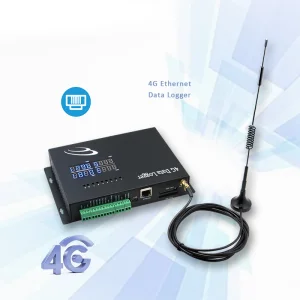
Industrial computing interfaces supporting multi-protocol inputs (RS485, Modbus, CAN-bus) and secure cellular handshakes to transition legacy machinery into smart assets.
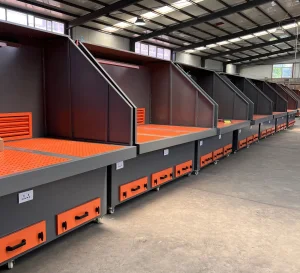
Critical environment monitoring systems with automatic fire suppression activation, thermal sensing, and explosion-proof dust extraction systems for high-risk zones.
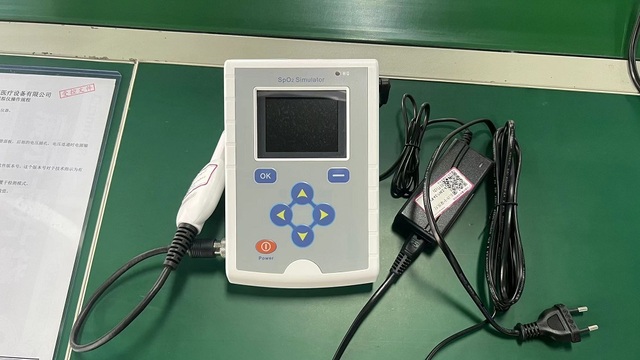
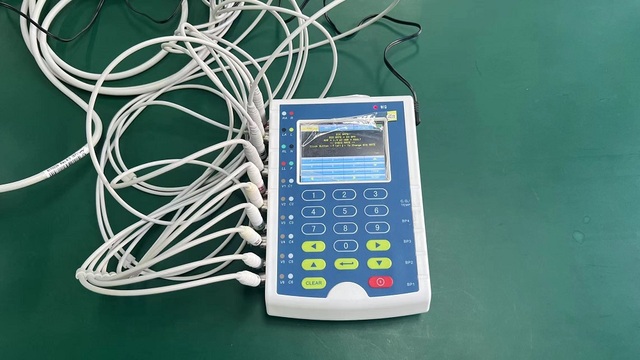
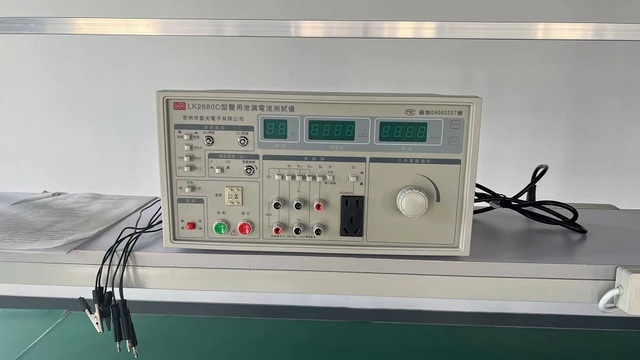
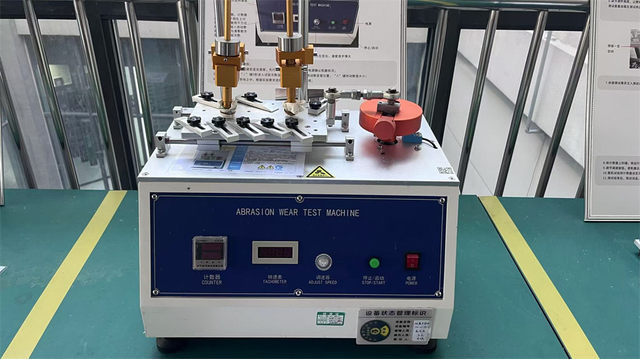
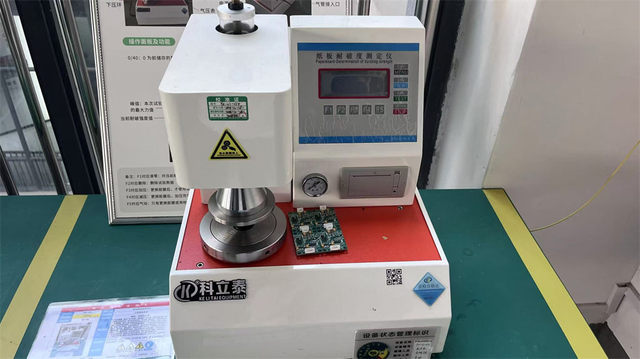
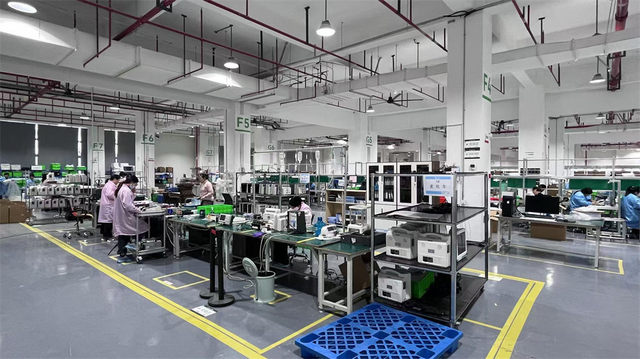
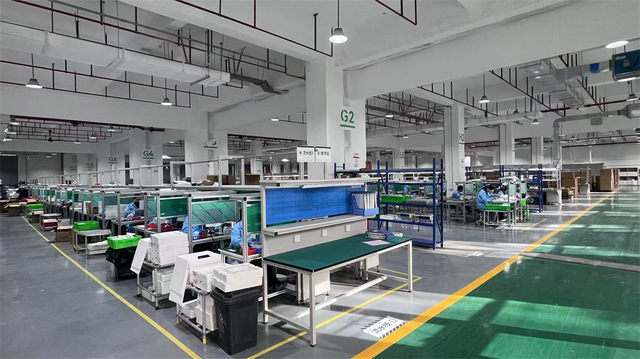
Founded in 2016, Dongguan Trial Medical Co., Ltd. has scaled to become a premium partner for OEM and ODM engagements globally. Operating a vertically integrated 11,000+ square meter factory, our facility houses specialized production lines, high-grade SMT assembly cleanrooms, automated optical testing tools, and environmental testing labs. Our engineering cohort works to align hardware development with secure cloud applications, providing customized firmwares and backend integrations for diverse markets.
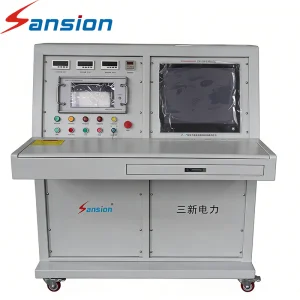
Our Quality Management Systems (QMS) enforce strict procedures at every phase, from raw component sourcing to finished goods verification. This ensures our medical telemetry systems, industrial gateways, and safe energy management solutions perform reliably in challenging operational settings. Whether developing a custom barcode scanning terminal or a high-voltage partial discharge testing rig, our factory handles hardware assembly, firmware customization, and international compliance testing under one roof.
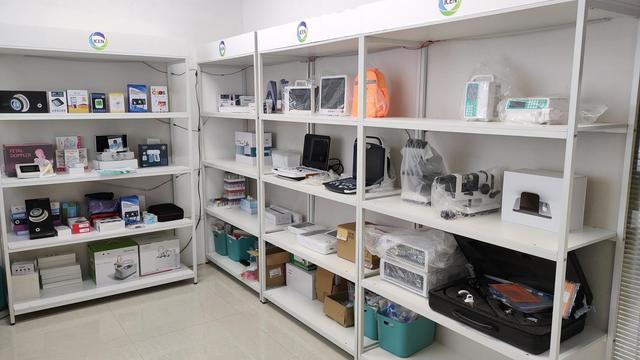
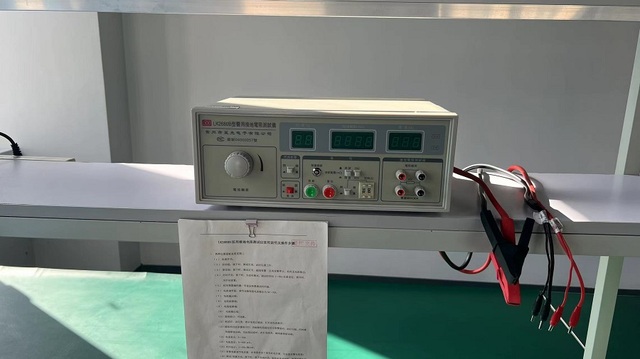
The trajectory of real-time monitoring devices points toward deep hardware integration and intelligent autonomous actions at the edge. The future engineering roadmap of Dongguan Trial Medical Co., Ltd. addresses this by focusing on three main developments:
Deploying lightweight machine learning models directly onto microprocessor units (MCUs) at the sensor level. This allows devices to identify abnormal patterns—such as irregular cardiac rhythms or machinery micro-vibrations—without relying on constant cloud queries, reducing bandwidth consumption.
Integrating 5G RedCap (Reduced Capability) and NB-IoT protocols into wearable patient sensors and industrial gateways. This ensures long battery runtimes alongside reliable data paths through congested corporate and clinical facility networks.
Building Secure Element (SE) chips directly onto SMT circuits. This hardens devices at the silicon layer, protecting data transmissions with AES-256 encryption and ensuring secure boot processes from the moment of manufacture.
Real-world environments demand high adaptability to varying regional and operational parameters. Here is how our OEM/ODM systems adapt to diverse application requirements:
Technical clarifications regarding OEM/ODM design stages, quality compliance, and hardware integration.
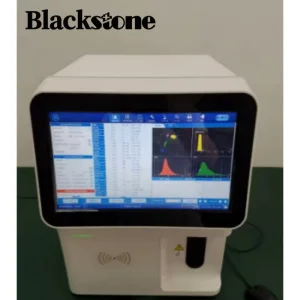
High-power energy distribution, partial discharge analysis, and clinical diagnostic systems.




 Trial Medical