The landscape of global healthcare is undergoing a radical transformation. As a leading hub for medical technology, China's export market for Remote Vital Signs Monitoring (RVSM) has evolved from simple hardware manufacturing to providing complex, data-driven ecosystems. This white paper explores the critical role of high-precision sensors, IoT integration, and decentralized clinical trial (DCT) models in modern medicine.
Initially, vital sign monitoring was confined to bedside monitors in ICU environments. Today, the integration of Wearable Biosensors and Cloud-based Data Analytics has pushed healthcare boundaries into the patient's home. The trend is moving toward "Passive Monitoring"—systems that collect heart rate, SpO2, and respiratory data without active patient intervention, significantly reducing the "white coat effect" and increasing data accuracy for long-term clinical research.
Global pharmaceutical companies and hospital networks are increasingly looking to China for RVSM solutions. This isn't just about cost-efficiency; it's about Information Gain and technical agility. China's top exporters now provide:
Seamless integration with 5G, NB-IoT, and LoRaWAN for reliable data transmission in diverse geographic locations.
Advanced security protocols ensuring HIPAA and GDPR compliance for sensitive patient health information.
Embedded algorithms that detect anomalies in real-time, providing early warning signals for clinical intervention.
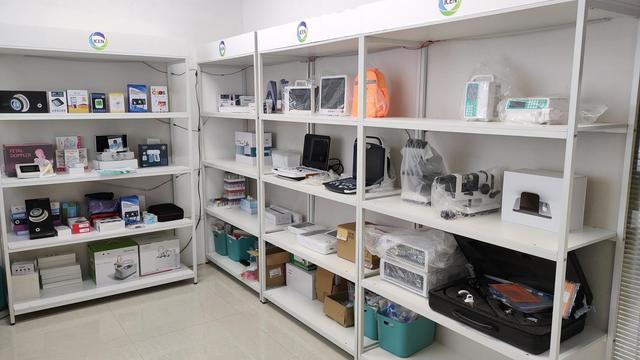
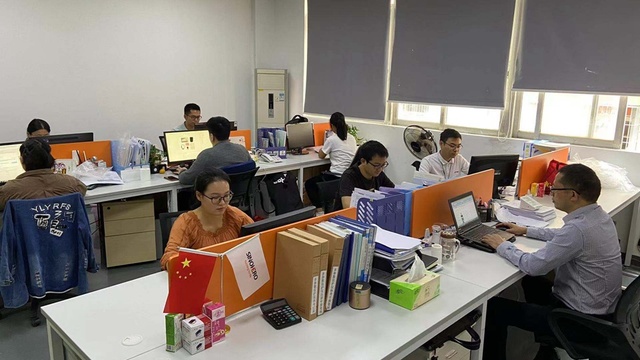
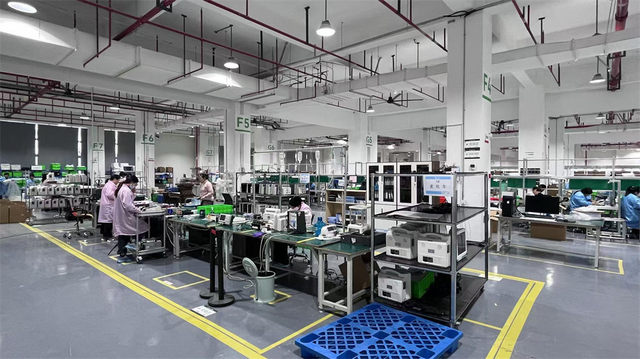
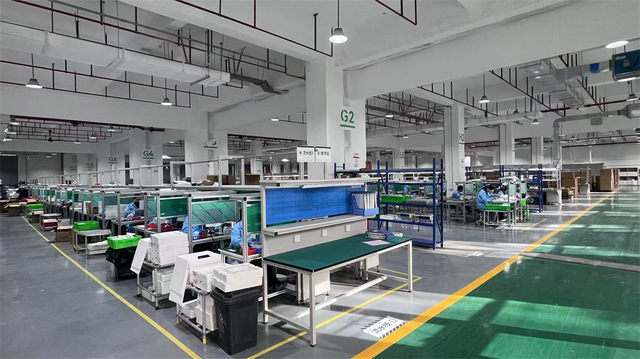
Dongguan Trial Medical Co., Ltd. stands at the forefront of this technological revolution. As a specialized manufacturer established in 2016, we have redefined the standards for remote clinical trial monitoring and decentralized solutions. Located in Dongguan—China’s epicenter for electronic innovation—our facility spans over 11,000 square meters and houses over 230 dedicated professionals.
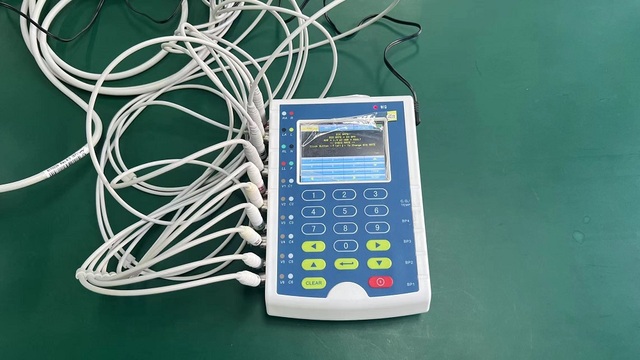
We provide a comprehensive product portfolio including remote clinical trial monitoring devices, wearable health data collection systems, patient engagement platforms, and electronic clinical outcome assessment (eCOA) solutions. Our goal is to facilitate real-time data collection while improving participant engagement and operational efficiency for pharmaceutical companies and research institutions worldwide.
Effective RVSM implementation requires more than hardware; it requires a localized strategy. We support global clients through OEM/ODM services, ensuring that devices meet specific regional regulatory standards (such as CE MDR in Europe or FDA in the US). Our software interfaces are designed for multi-language support, bridging the gap between clinical researchers in North America and patients in the Asia-Pacific or Latin America.
Moving data processing from the cloud to the device level to reduce latency and enhance privacy.
Utilizing machine learning to predict health deterioration 24-48 hours before it occurs.
Full integration with global Electronic Health Records (EHR) through FHIR standards.
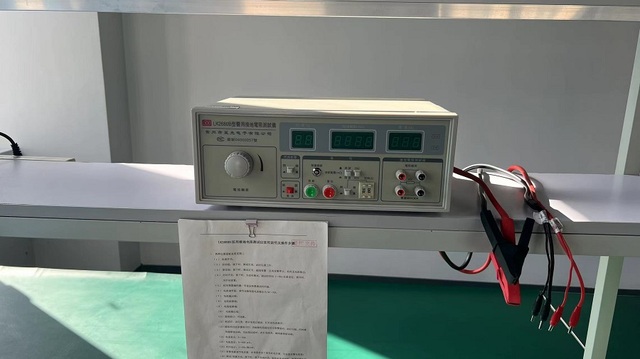
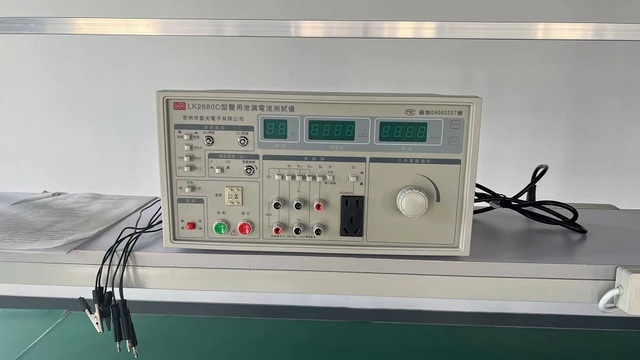
A top factory must possess ISO 13485 certification, advanced clean-room manufacturing, and a robust R&D team capable of firmware customization and cloud integration.
We implement AES-256 encryption for data at rest and TLS 1.3 for data in transit, ensuring compliance with international privacy laws like GDPR.
Yes, our solutions utilize standard Modbus, MQTT, and API-based integrations to communicate with hospital HIS and LIS platforms.
Typically, the design-to-prototype phase takes 4-8 weeks, with mass production scaling up within 12 weeks depending on complexity.
Absolutely. Our devices are specifically designed to reduce site visits, allowing patients to participate in trials from their homes securely.
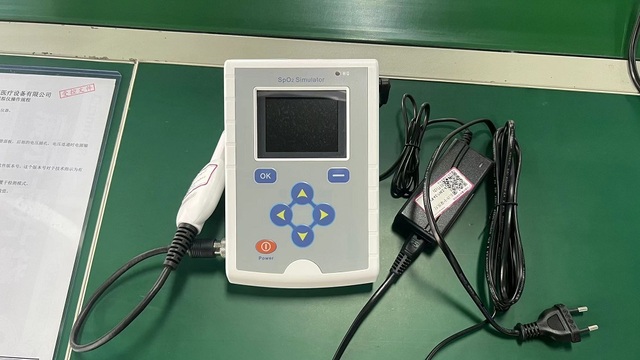
Our sensors undergo rigorous clinical validation, achieving a ±2bpm accuracy for heart rate and ±2% for SpO2 in the 70-100% range.
 Trial Medical