General Information
Gas-insulated metal-enclosed switches (GIS) and gas-insulated metal-enclosed transmission lines (GIL) are one of the most important devices in the power system. They have the dual tasks of control and protection. If they failed during operation and the problem cannot be solved timely, it will cause serious damage to the grid.
Partial discharge fault is a common fault type of GIL/GIS. It is necessary to use GIS partial discharge online monitoring and fault location system to perform real-time online monitoring of GIL/GIS partial discharge signals and analyze and process the measured data and real time give comprehensive judgment of insulation status. Then repair schedule can be arranged according to the monitoring results to avoid major grid accidents caused by equipment failure and to ensure the normal operation of the system with minimum maintenance cost.
There are many reasons for the deterioration of the dielectric medium, such as ionization corrosion caused by a strong electric field for a long time, insulation wear caused by mechanical high-frequency vibration, aging decomposition of the medium caused by thermal effects, and moisture insulation. The dielectric medium is degraded, and the performance is degraded so that the dielectric breakdown has a development process, which makes the on-line monitoring of insulation practical and effective.
The system uses specialized monitoring software using advanced high-speed DSP digital processing technology. The processing technology makes the monitoring system fast and accurate, providing an economical and reliable solution for GIS online monitoring.
Principle
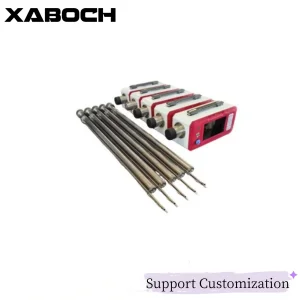
Through installing UHF sensor on the key components of GIL/GIS, the system collects 500MHz-1500MHz electromagnetic wave signals excited by partial discharge in real time. It also collects feature quantities such as amplitude (Q), phase (Φ), frequency (N), and cycle sequence (t) of the pulse signal that reaches the trigger condition via detection frequency reduction circuits, high speed sampling circuits and data processing buffer circuits. Event files are generated and uploaded to the expert diagnosis system for event map establishment and insulation state analysis.
Technical Specifications
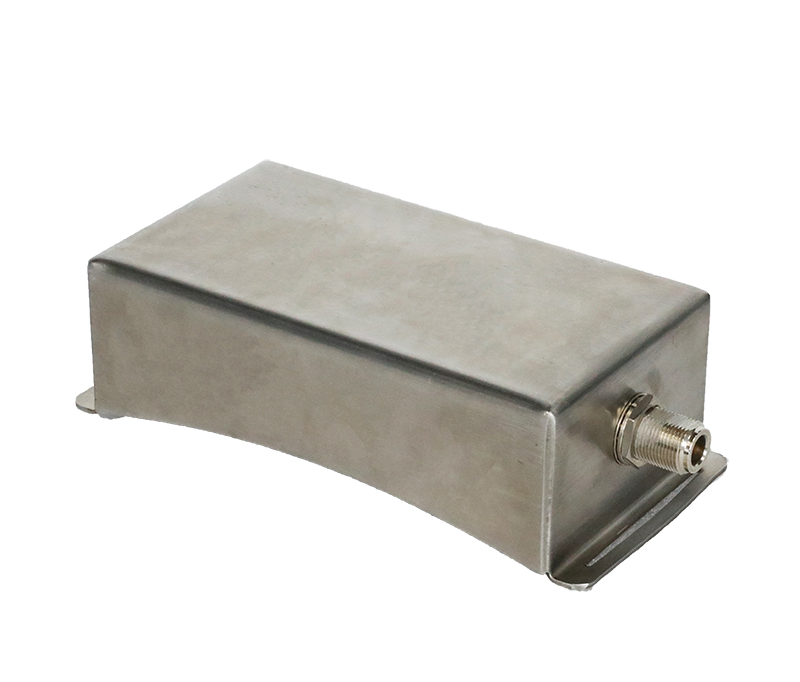
PD Sensor Specifications
| Index |
Name |
Value |
Unit |
Remark |
| Environment |
Working temperature |
-25 ~ +65 |
ºC |
- |
| Working humidity |
< 95% |
/ |
- |
| Performance |
Sensitivity |
-80(internal) / -75(external) |
dbm |
- |
| Measurement bandwidth |
300-2000 |
MHz |
- |
| Measurement accuracy |
0.1 |
dB |
- |
| Average equivalent height |
> 10 |
mm |
- |
| Over-voltage protection |
Yes |
- |
- |
| Signal interface |
N type RF terminal |
/ |
- |
| Appearance |
Material |
Aluminum alloy (indoor) / Stainless steel (outdoor) |
/ |
- |
| Size |
Customized |
mm |
Customized |
| Waterproof |
Yes |
- |
- |
| Lifetime |
> 50 |
Year |
- |
| Voltage class |
All voltage ranges suitable |
/ |
- |
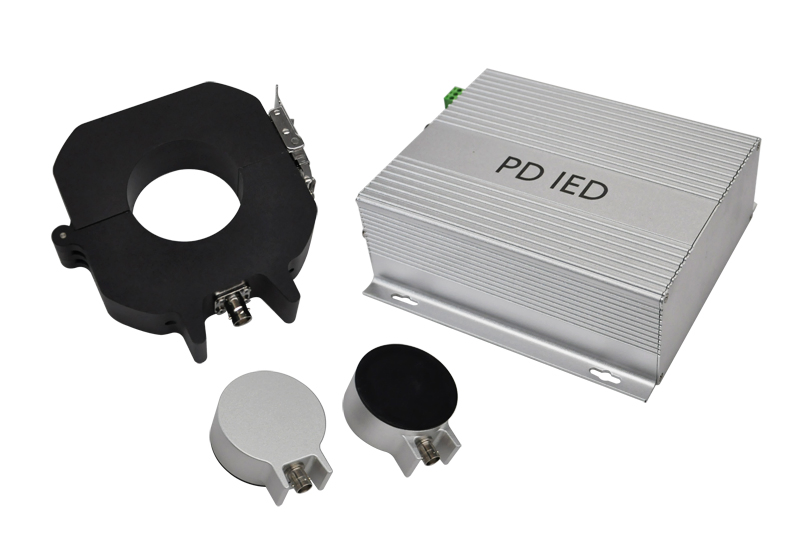
IED Unit (PD Collector)
| Index |
Name |
Value |
Unit |
Remark |
| Power & Environment |
Power input |
AC 120-240 |
V |
- |
| Power consumption |
< 30 |
W |
- |
| Working temperature |
-25 -- +65 |
ºC |
- |
| Working humidity |
< 95% |
/ |
- |
| Performance |
Self-checking function |
Yes |
/ |
After startup |
| Bandwidth |
300--1500 |
MHz |
- |
| Measurement range |
-80-- -20 |
dBm |
- |
| Sampling rate |
≥100 |
MHz |
- |
| Channel |
4-16 |
pcs |
- |
| PD fault location |
Yes |
/ |
- |
Frequently Asked Questions
What is the primary function of the GDPD-GIS system?
The system is designed for real-time online monitoring and fault location of partial discharge signals in Gas-insulated metal-enclosed switches (GIS) and transmission lines (GIL) to prevent grid accidents.
What frequency range does the UHF sensor monitor?
The UHF sensors are designed to collect electromagnetic wave signals in the range of 500MHz to 1500MHz, with a measurement bandwidth of 300-2000MHz.
Can the system identify different types of discharges?
Yes, the system is capable of identifying more than 5 different types of discharge faults through expert diagnosis and event map analysis.
Is the equipment suitable for harsh outdoor environments?
Yes, the system offers components made from 304 stainless steel for outdoor use, features waterproof protection, and operates in temperatures ranging from -25ºC to +65ºC.
What are the communication options for the IED unit?
The IED unit supports multiple communication interfaces including RJ45, and Fiber optics (SC or ST) to ensure reliable data transmission.
How many channels can be monitored simultaneously?
The system typically supports between 4 to 16 channels per IED unit, with the capability for synchronous scanning across all channels.
 Trial Medical