In the rapidly transforming landscape of the life sciences industry, Clinical Study Coordination Systems (CSCS) have evolved from simple administrative tools into complex, AI-driven ecosystems. As a leading supplier in China, we recognize that the modern clinical trial demands more than just data entry—it requires real-time synchronization, rigorous compliance, and patient-centric designs.
The shift toward remote and hybrid trial models is the most significant trend in 2024. Our systems facilitate "site-less" studies, allowing patients to participate from home while maintaining clinical-grade data integrity.
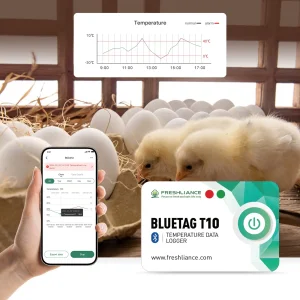
Leveraging high-precision sensors like our Bluetooth Temperature Loggers, researchers can now monitor drug stability and patient vitals with millisecond accuracy, reducing the risk of data gaps.
Modern platforms use predictive analytics to identify potential patient dropouts and optimize recruitment strategies, significantly lowering the total cost of clinical research.
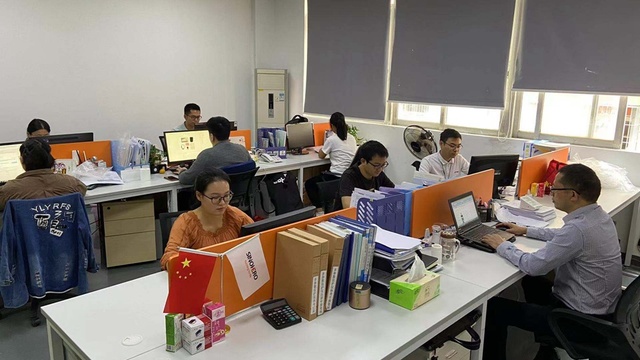
Dongguan Trial Medical Co., Ltd. is a specialized manufacturer of remote clinical trial monitoring devices, decentralized clinical trial solutions, and digital research technologies. Established in 2016, the company is located in Dongguan, China, a major center for advanced manufacturing, medical technology development, and electronic innovation.
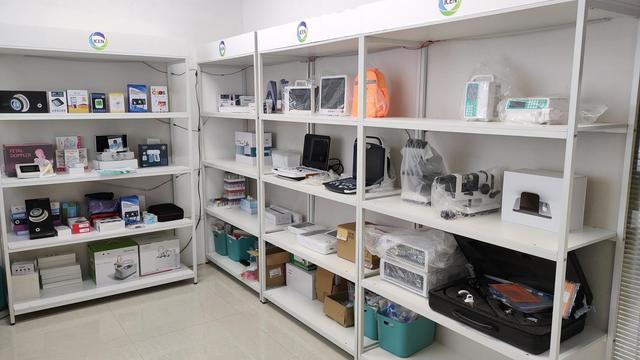
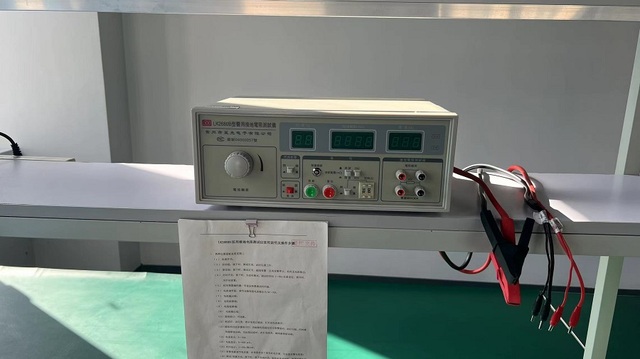
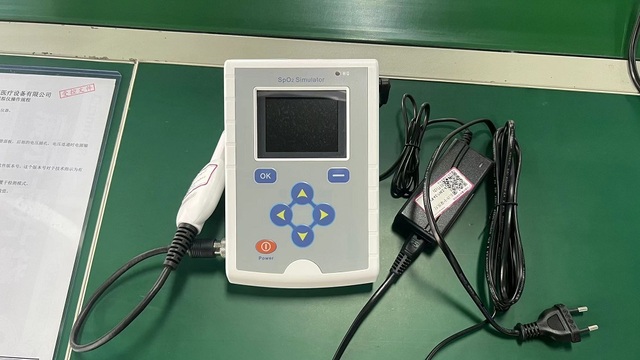
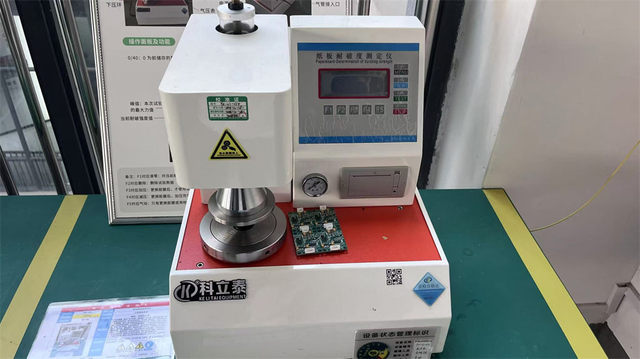
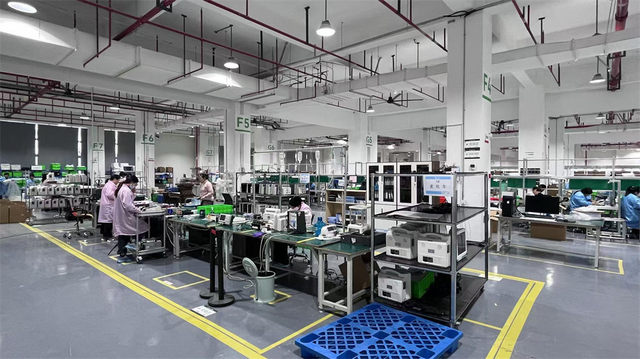
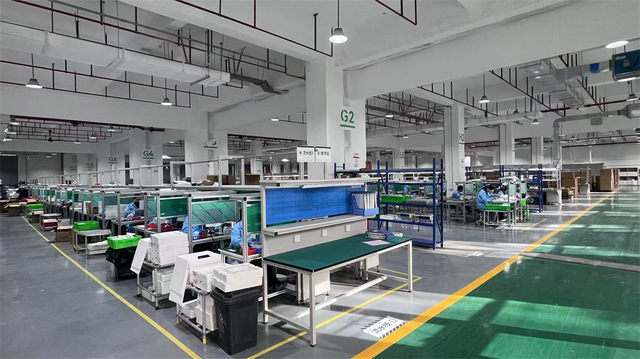
Operating from a modern facility covering more than 11,000 square meters, with a team of over 230 employees, Trial Medical is dedicated to developing and manufacturing innovative technologies that support clinical research organizations (CROs), pharmaceutical companies, healthcare institutions, and academic research centers worldwide.
Supported by an experienced team of engineers, software developers, and quality management professionals, Trial Medical continuously invests in research and development to address the evolving needs of modern clinical studies. Serving customers across North America, Europe, Asia-Pacific, the Middle East, Latin America, and Africa, we are committed to advancing digital clinical research through innovative technologies that support decentralized studies and patient-centric trial models.
International procurement officers are increasingly looking towards China for clinical study coordination systems due to the unique blend of cost-efficiency, rapid technological iteration, and robust supply chain resilience. Here are the key factors driving global demand:
| Requirement Category | Critical Success Factors | Our Solution Approach |
|---|---|---|
| Data Integrity | ALCOA+ standards, blockchain-based audit trails. | Encrypted end-to-end data transmission with automated timestamping. |
| Scalability | Ability to manage multi-center, multi-national trials. | Cloud-native architecture supporting thousands of concurrent users. |
| Compliance | FDA 21 CFR Part 11, GDPR, HIPAA compliance. | Localization of data servers and built-in regulatory reporting modules. |
| Device Interoperability | Integration with existing EMR/EHR systems. | Standardized API protocols (HL7, FHIR) for seamless ecosystem sync. |
Beyond providing hardware, we deliver holistic solutions tailored to the specific needs of pharmaceutical giants and boutique CROs alike.
For biologics and vaccine trials, our Bluetooth T10 loggers ensure that the temperature-sensitive investigational products never deviate from required ranges during global transit.
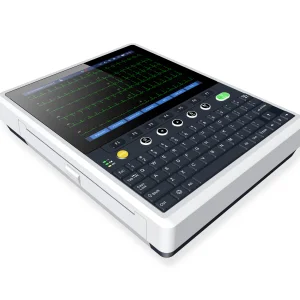
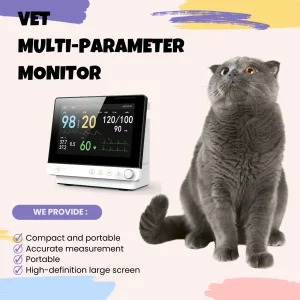
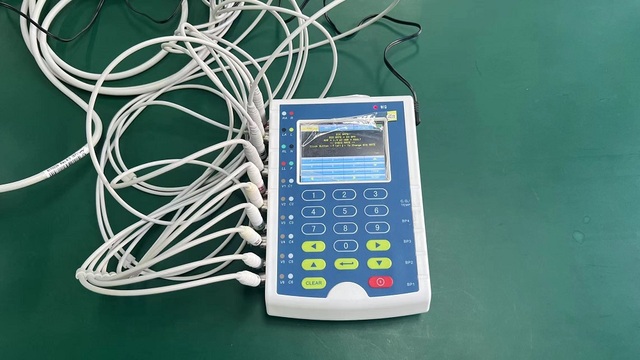
Using 12-Channel ECG devices and patient monitoring systems, clinical coordinators can receive instant alerts for Adverse Events (AEs), ensuring patient safety even in remote settings.
We provide 24/7 technical support in multiple languages, ensuring that sites in Africa, Europe, and Asia have the technical backing they need for uninterrupted study progress.
The future of clinical study coordination lies in "Invisible Data Collection." By 2026, we aim to integrate more ambient sensors and AI diagnostics into our hardware lineup.
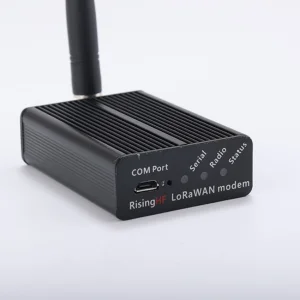
2024-2025: Expansion of LoRaWAN-based IoT solutions for large-scale hospital campus monitoring.
2025-2026: Implementation of Edge AI in patient monitors to predict cardiac anomalies before they occur.
2027: Fully autonomous clinical data coordination utilizing decentralized identifiers (DID) for ultimate patient privacy.
Q: How do your systems ensure FDA 21 CFR Part 11 compliance?
A: Our software includes strict electronic signature protocols, automated audit trails, and multi-factor authentication to meet all global regulatory standards for electronic records.
Q: Can your IoT devices integrate with third-party EDC systems?
A: Yes, we provide comprehensive SDKs and APIs that allow our Bluetooth and LoRaWAN devices to push data directly into major EDC platforms like Medidata and Veeva.
Q: Do you offer customization (OEM/ODM) for specific research protocols?
A: Absolutely. We have a dedicated R&D team in Dongguan that can tailor both hardware specifications and software workflows to match your specific clinical protocol requirements.
 Trial Medical