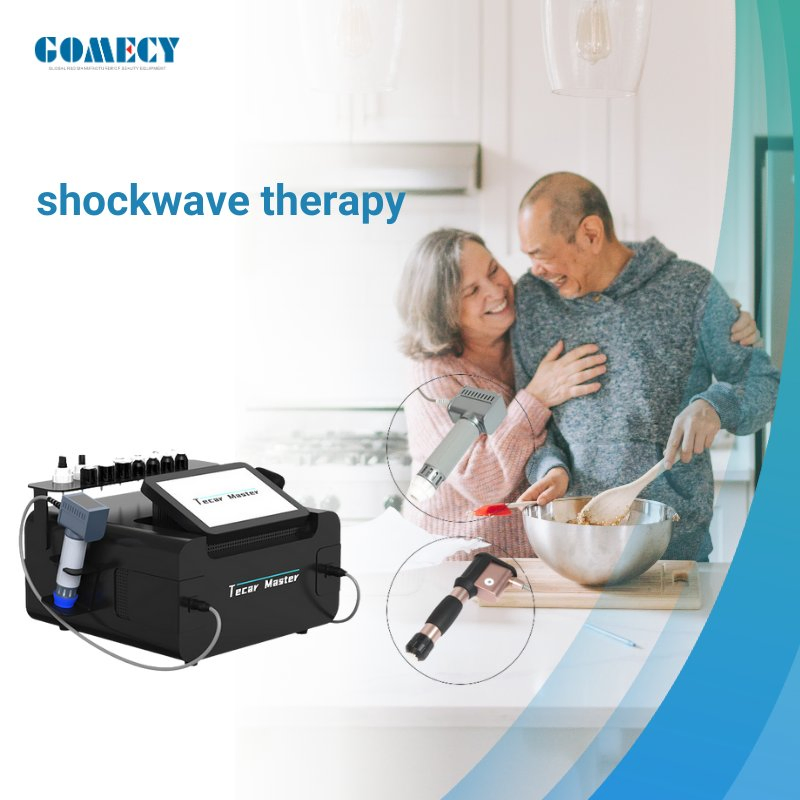
Clinical Shockwave Therapy Equipment for Orthopedic Pain and Rehabilitation Use
What Is Shockwave Therapy?
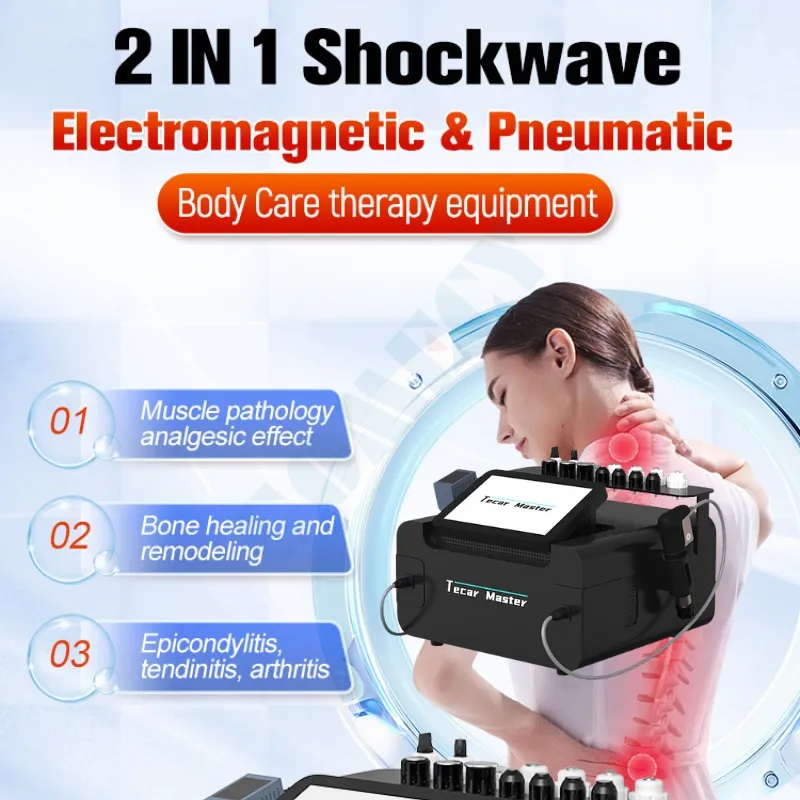
Shockwave therapy is a non-invasive physical treatment method that uses high-energy mechanical pressure waves to stimulate tissue regeneration, relieve pain, and restore normal function. These pressure waves are characterized by a rapid rise in pressure followed by a gradual decrease and a short negative pressure phase, allowing them to penetrate biological tissues effectively.
When shockwaves are applied to affected areas, they create controlled micro-stimulation within the tissue. This process helps break down calcified deposits, stimulate neovascularization (new blood vessel formation), improve microcirculation, and activate the body's natural healing mechanisms.
⚙️I. Working Principle
1. Biological Effect of Shockwaves
Shockwaves are mechanical pressure waves that deliver energy to targeted tissues in a very short time. When focused on chronic pain areas, they can:
- Dissolve calcified deposits
- Stimulate angiogenesis and tissue regeneration
- Improve local blood circulation
- Enhance cellular metabolism
- Relieve pain and restore mobility
2. Pneumatic Shockwave Technology
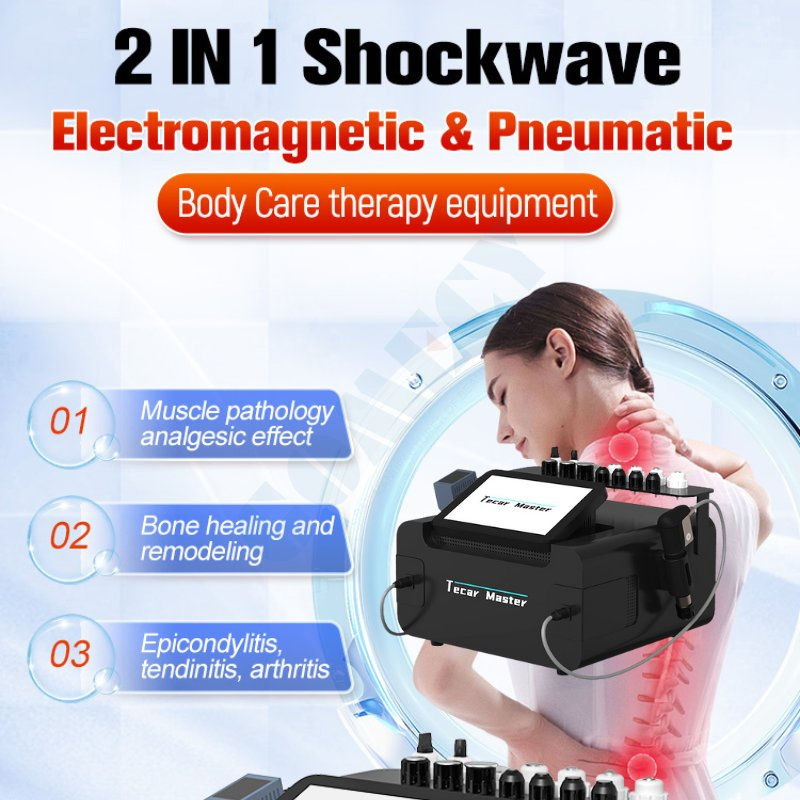
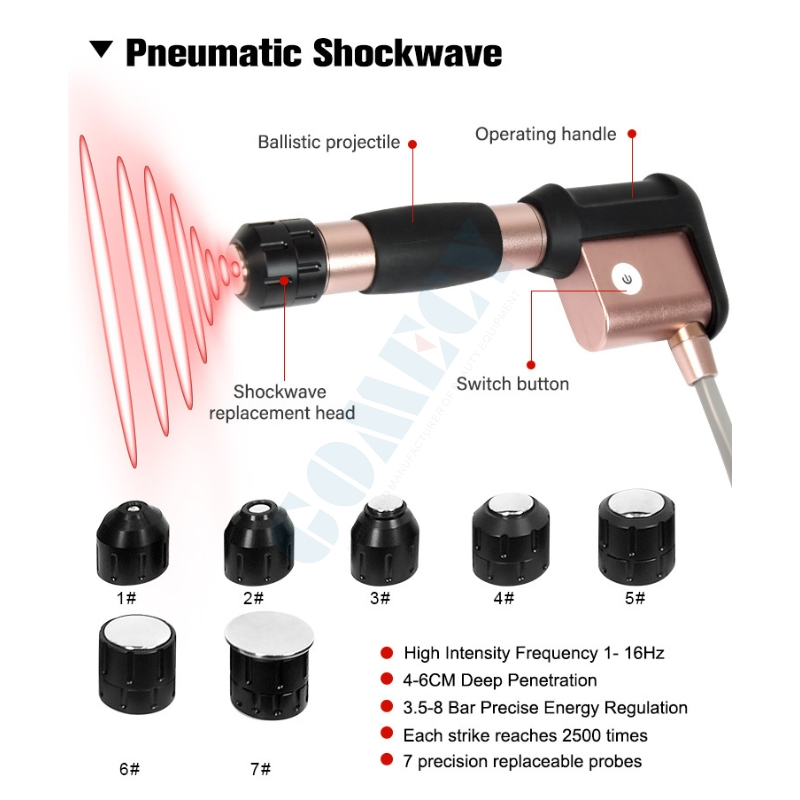
The pneumatic shockwave system generates shockwaves based on the ballistic principle. Compressed air accelerates a projectile which strikes the applicator, transferring kinetic energy directly into the treatment area.
- Stable energy output
- Flexible operation
- Ideal for superficial to medium-depth soft tissue therapy
3. Electromagnetic Shockwave Technology
Utilizes electromagnetic induction to generate high-energy waves. A high-voltage capacitor discharges energy through an induction coil to create a powerful field that drives the projectile.
- High energy concentration
- Strong tissue penetration
- Suitable for deeper musculoskeletal applications
🏥II. Clinical & Functional Applications
1. Physical Therapy & Rehabilitation
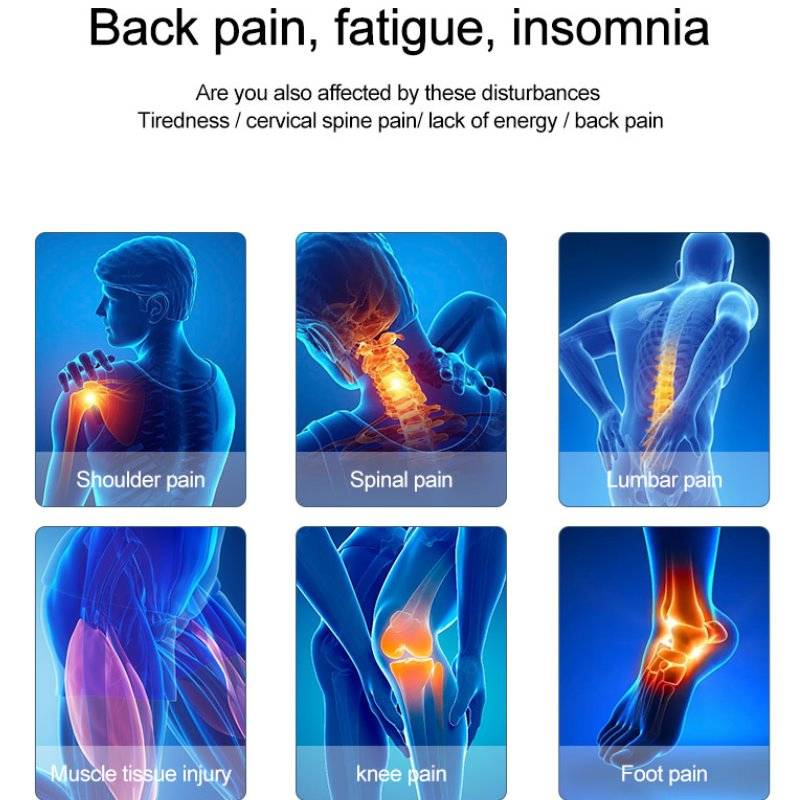
Widely applied in Orthopedics, Rehabilitation medicine, Sports medicine, and Urology. Especially effective for muscle pain, tendinitis, and tendon calcification.
2. Fat Reduction & Body Contouring
High-frequency vibrations disrupt stubborn fat clusters and reduce fat layer thickness, improving cellulite appearance and local metabolism.
3. Erectile Dysfunction (ED) Treatment
Shockwaves focused on penile tissue stimulate neovascularization, improving blood supply and vascular function to restore sustainable erections.
📊Product Parameters
| Parameter |
Specification |
| Power Consumption | < 400W |
| Shot Counter | 2,000,000 shots |
| Display Screen | 12.1-inch Touch Screen |
| Pneumatic Shockwave |
| Frequency Range | 1 Hz - 16 Hz |
| Energy Output | 3.5 Bar - 8.0 Bar |
| Electromagnetic Shockwave |
| Frequency Range | 1 Hz - 16 Hz |
| Energy Output | 50 mJ - 200 mJ |
| Net Weight / Gross Weight | 27 kg / 40 kg |
| Package Size | 62.5 cm × 51 cm × 43 cm |
🧬III. Therapeutic Effects & Biological Benefits
- Cellular Level: Increases ion channel activity and enhances membrane permeability.
- Vascular Regeneration: Promotes neovascularization in muscle and tendon areas.
- Bone Repair: Induces chemotaxis and mitosis of osteoblasts for tissue remodeling.
- Metabolism: Enhances oxygen delivery and accelerates metabolic waste removal.
- Analgesic Effect: Provides significant and rapid pain relief.
🛠️IV. Treatment Localization & Techniques
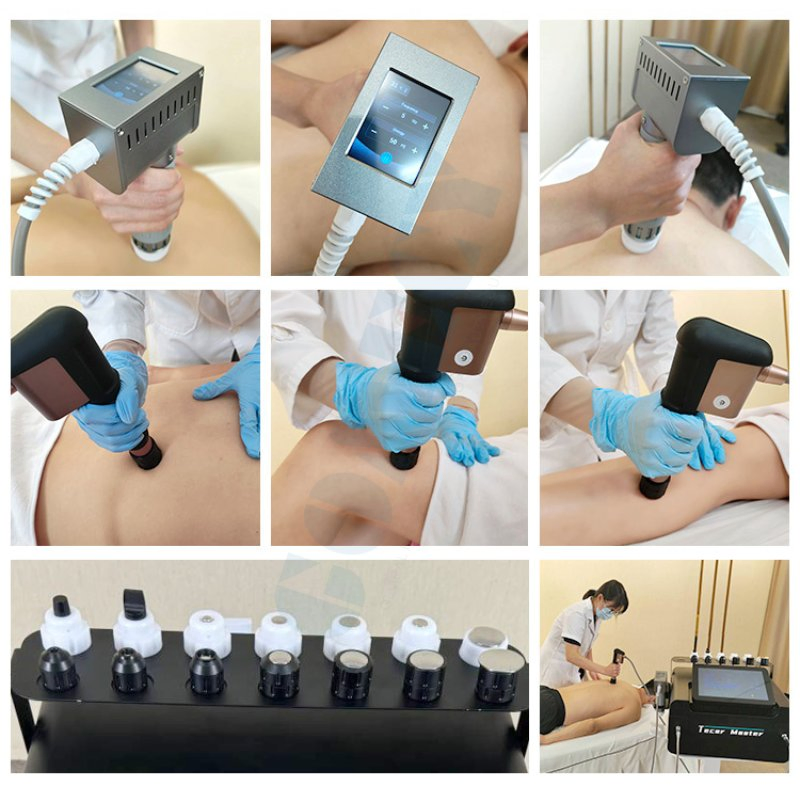
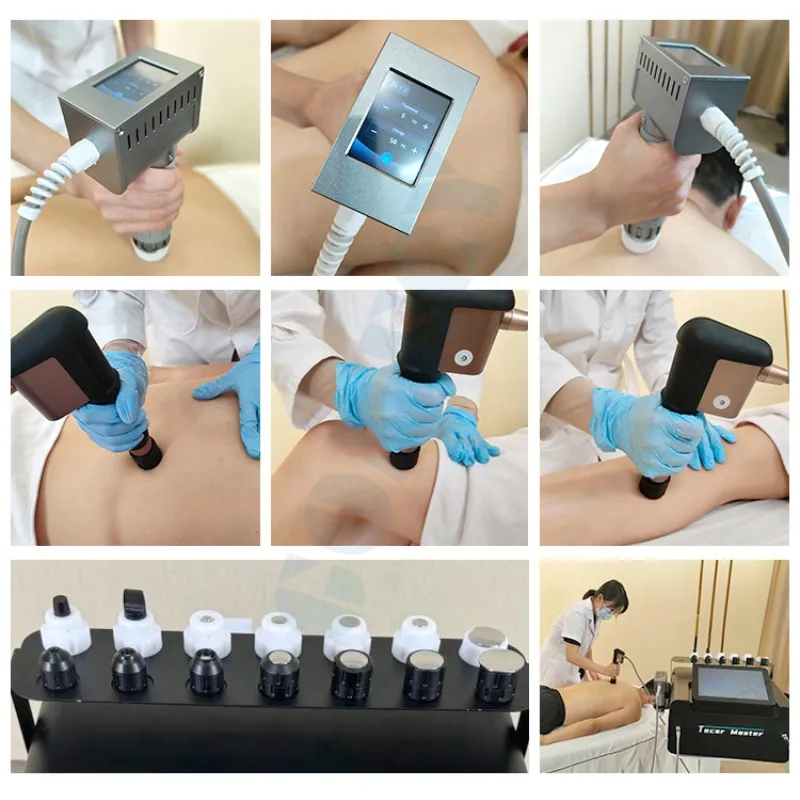
Pain Point Localization: Identified through palpation of soft tissue damage or adhesions.
Techniques:

- Directional Application (along muscle origin)
- Oblique Application (45° Angle for ankle/fat reduction)
- Circular & Parallel Moving Techniques (minimizes discomfort)
⭐V. Key Advantages
- Non-invasive and safe
- Fast pain relief and functional recovery
- Wide range of medical and aesthetic applications
- No surgery and no medication dependence
- Customizable treatment protocols
Frequently Asked Questions
Q1: Is shockwave therapy painful?
A: Patients may feel some discomfort during the procedure, but it is generally well-tolerated. The intensity can be adjusted based on the patient's feedback.
Q2: How many sessions are typically required?
A: Most conditions require 3 to 5 sessions, depending on the severity of the injury and the patient's individual response to treatment.
Q3: Are there any side effects?
A: Side effects are minimal and may include temporary redness, swelling, or slight bruising in the treated area, which usually resolves within a few days.
Q4: Can shockwave therapy replace surgery?
A: For many chronic conditions like calcific tendinitis or plantar fasciitis, shockwave therapy is a highly effective non-surgical alternative.
Q5: How does it help with Erectile Dysfunction (ED)?
A: It stimulates the growth of new blood vessels (angiogenesis) in the penile tissue, improving blood flow and restoring natural erectile function.
Q6: Is there any downtime after the treatment?
A: There is no downtime. Patients can usually return to their daily activities immediately, although strenuous exercise is often discouraged for 48 hours.