Bridging the Gap Between Patients and Life-Saving Therapies through Digital Integration.
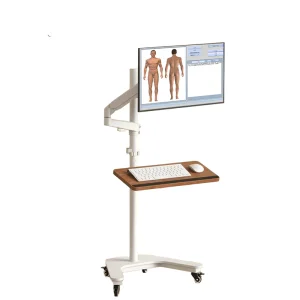
In the modern era of pharmaceutical R&D, Connected Clinical Study Solutions represent the synthesis of medical-grade hardware, cloud computing, and real-time data analytics. This ecosystem is designed to solve the most persistent challenges in clinical trials: patient recruitment, retention, and data integrity. By leveraging 5G-enabled devices and IoT sensors, clinical research is migrating from centralized hospital sites directly into the daily lives of participants.
The global market for decentralized clinical trials (DCT) is projected to surpass $16 billion by 2027, driven by a 14.8% CAGR. This growth is underpinned by a transition towards "Site-less" or "Hybrid" models where Dongguan Trial Medical Co., Ltd. plays a pivotal role as a primary manufacturer of foundational infrastructure.
Navigating the convergence of AI, Bio-sensors, and Regulatory Compliance.
The integration of machine learning algorithms to automatically flag outliers and anomalies in biometric data streams, ensuring 21 CFR Part 11 compliance.
Processing patient vitals at the device level to reduce latency and enhance privacy before transmitting encrypted summaries to the central database.
Creating immutable ledgers for every patient interaction, ensuring that the "Golden Thread" of clinical evidence remains tamper-proof from enrollment to NDA.
The future of clinical studies lies in "Passive Data Collection." Instead of asking patients to log their symptoms manually (ePRO), connected solutions like smart-wearables and ambient sensors (IoT) will capture physiological data invisibly. This reduces participant burden and eliminates the "white coat effect," leading to more representative Real-World Evidence (RWE).
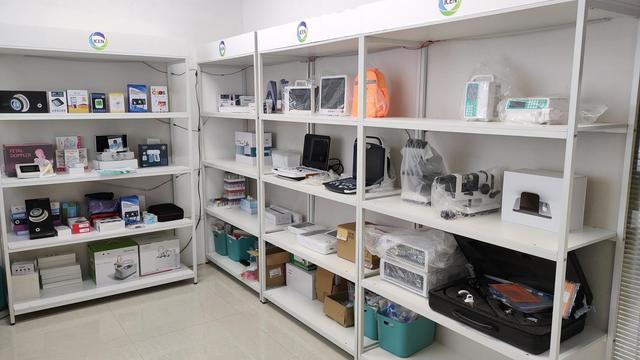
Dongguan Trial Medical Co., Ltd. is a specialized manufacturer of remote clinical trial monitoring devices, decentralized clinical trial solutions, and digital research technologies. Established in 2016, the company is located in Dongguan, China, a major center for advanced manufacturing, medical technology development, and electronic innovation.
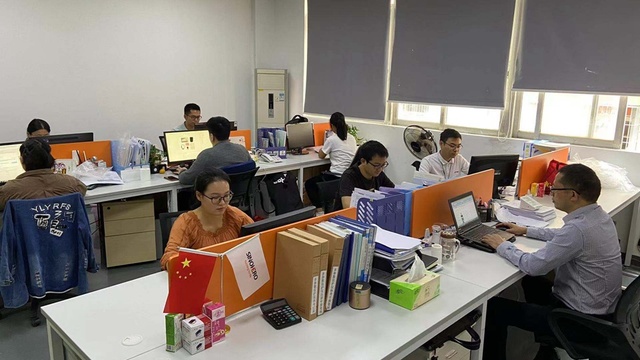
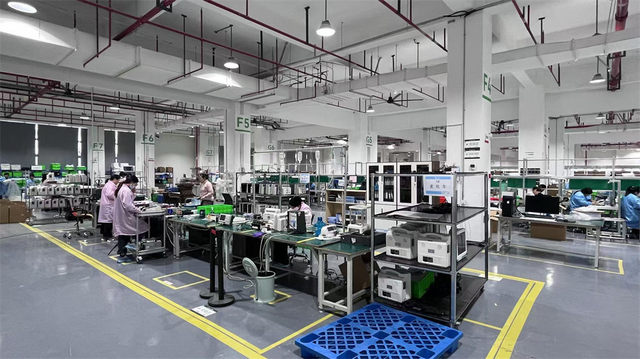
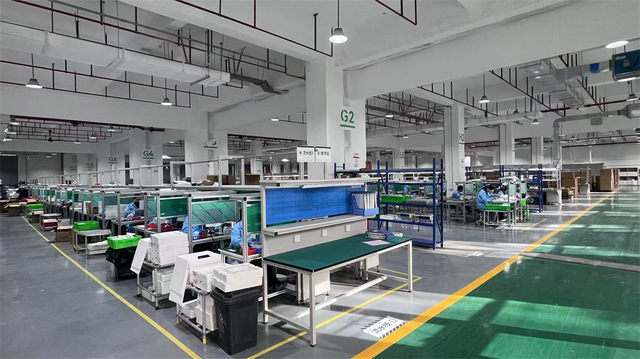
Operating from a modern facility covering more than 11,000 square meters, with a team of over 230 employees, Trial Medical is dedicated to developing and manufacturing innovative technologies that support clinical research organizations (CROs), pharmaceutical companies, healthcare institutions, and academic research centers worldwide.
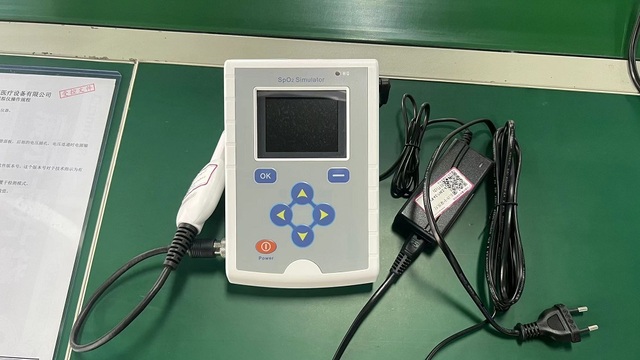
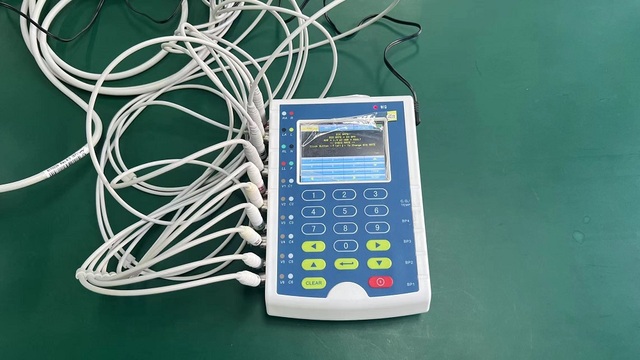
The company's product portfolio includes remote clinical trial monitoring devices, wearable health data collection systems, patient engagement platforms, electronic clinical outcome assessment (eCOA) solutions, digital research tools, remote safety monitoring systems, and decentralized trial support technologies.
Supported by an experienced team of engineers, software developers, and quality management professionals, Trial Medical continuously invests in research and development to address the evolving needs of modern clinical studies. The company integrates advanced connectivity technologies, cloud-based data management capabilities, and intelligent monitoring functions to support reliable and scalable clinical research operations.
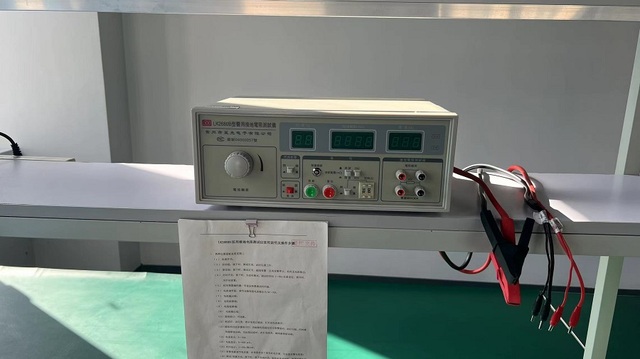
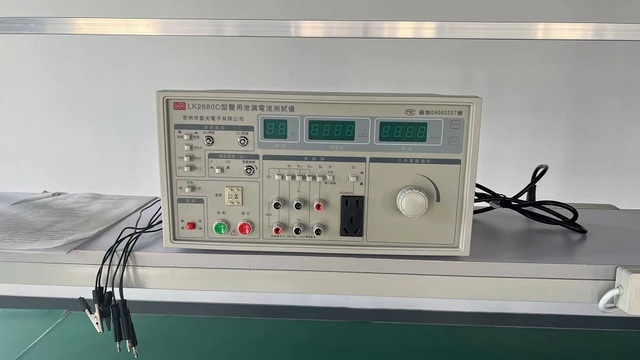
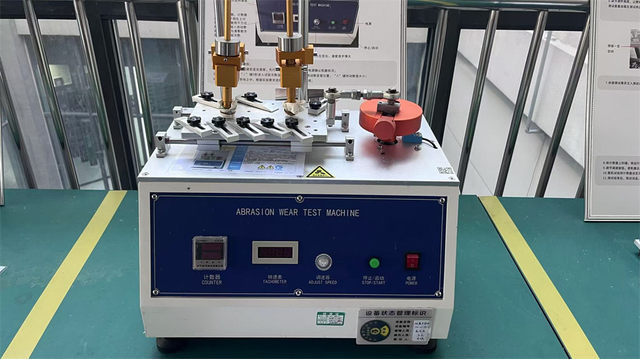
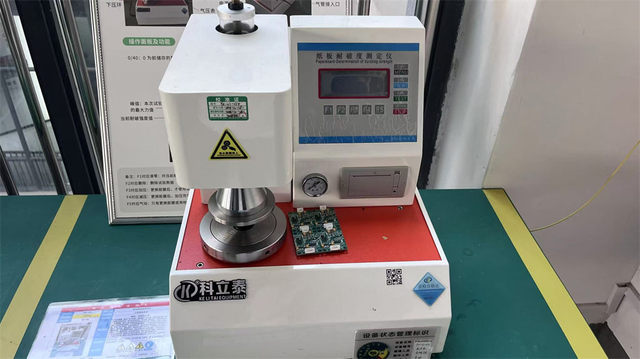
Comprehensive quality control procedures are implemented across product design, manufacturing, testing, and inspection processes to ensure consistent performance and product reliability. In addition to its standard product offerings, the company provides OEM and ODM services tailored to specific research applications and market requirements.
Versatile deployment across global markets and research environments.
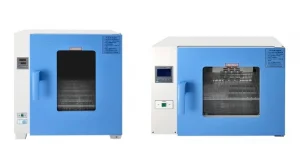
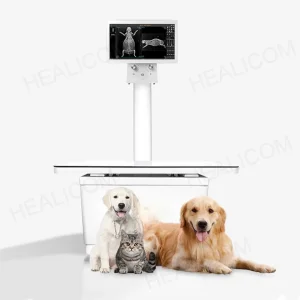
Automated sterilization and air disinfection (Plasma Autoclaves) integrated with facility management IoT to ensure a Grade-A environment for Phase I clinical stays.
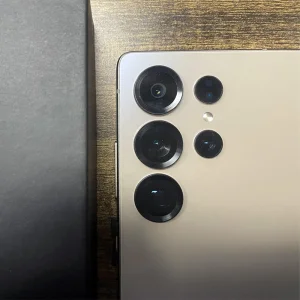
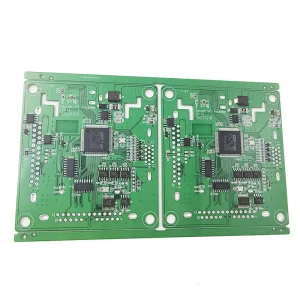
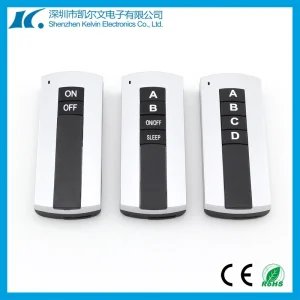
Using 5G Android platforms (S26 Ultra type) and wearable PCBA sensors to monitor patients in rural areas, significantly expanding the diversity of trial demographics.
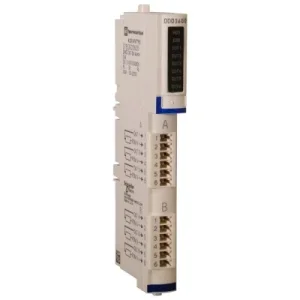
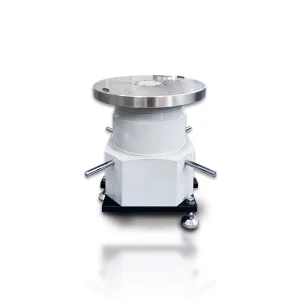
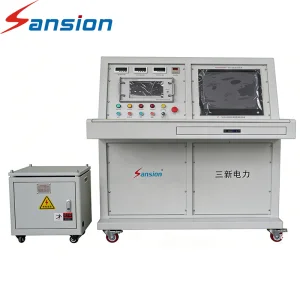
High-current testing systems and IMU platforms for surgical robotics validation, ensuring medical devices meet durability standards before human trials.
Expert insights into Connected Clinical Trial Implementation.
 Trial Medical