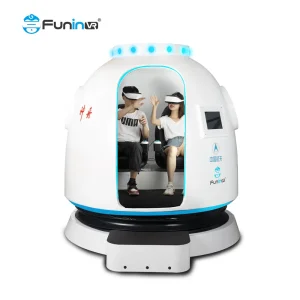
The global pharmaceutical landscape is undergoing a paradigm shift toward Decentralized Clinical Trials (DCTs) and patient-centric methodologies. Virtual Reality (VR) has emerged not just as a simulation tool, but as a critical infrastructure for digital health. As leading suppliers in China, we integrate the precision of advanced manufacturing with the agility of software-as-a-medical-device (SaMD) to provide holistic VR solutions.
By leveraging Virtual Reality in Clinical Trials, researchers can now simulate complex physiological environments, conduct remote cognitive assessments, and provide immersive patient education that significantly reduces dropout rates. This "Information Gain" is pivotal for CROs (Contract Research Organizations) looking to enhance data fidelity while managing multi-regional study sites.
Dongguan Trial Medical Co., Ltd. is a specialized manufacturer of remote clinical trial monitoring devices, decentralized clinical trial solutions, and digital research technologies. Established in 2016, the company is located in Dongguan, China, a major center for advanced manufacturing, medical technology development, and electronic innovation.
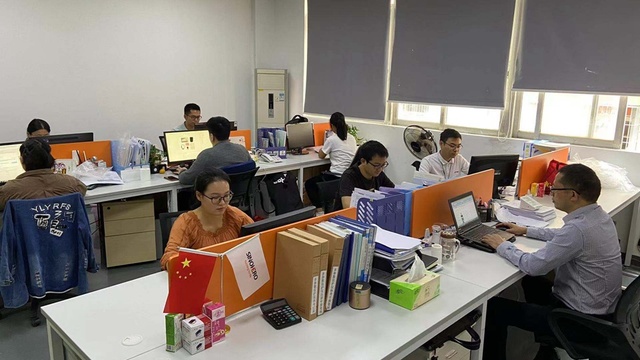
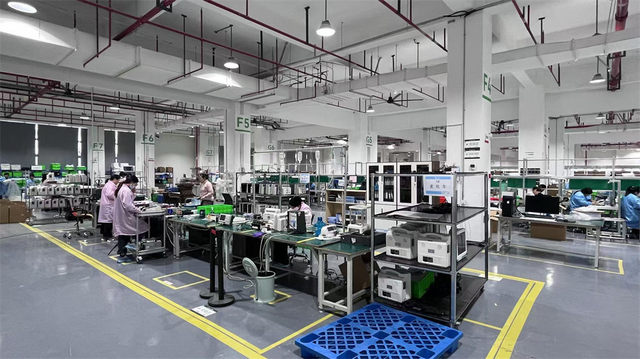
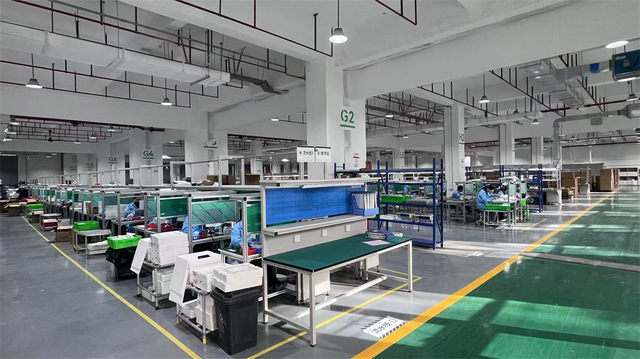
Operating from a modern facility covering more than 11,000 square meters, with a team of over 230 employees, Trial Medical is dedicated to developing and manufacturing innovative technologies that support clinical research organizations, pharmaceutical companies, healthcare institutions, and academic research centers worldwide.
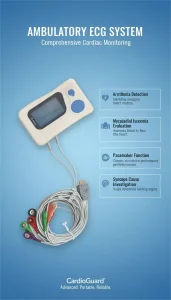
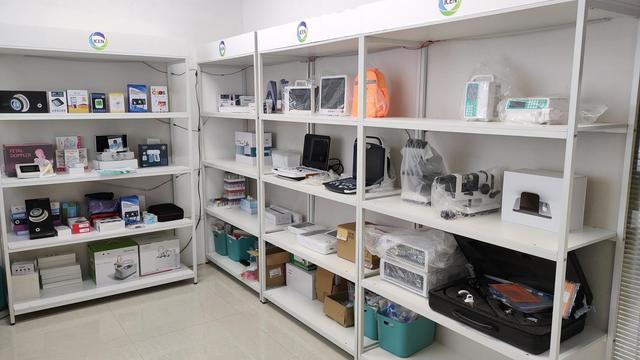
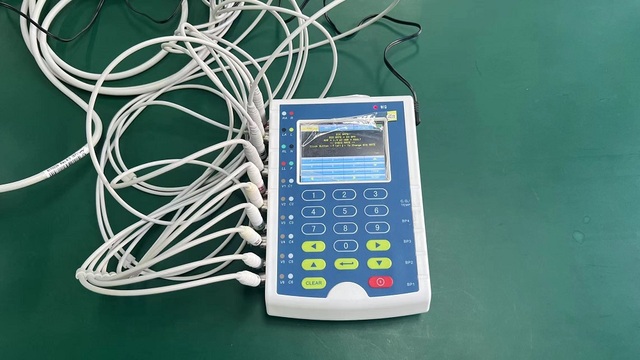
The company's product portfolio includes remote clinical trial monitoring devices, wearable health data collection systems, patient engagement platforms, electronic clinical outcome assessment solutions, digital research tools, remote safety monitoring systems, and decentralized trial support technologies. Supported by an experienced team of engineers, software developers, and quality management professionals, Trial Medical continuously invests in research and development to address the evolving needs of modern clinical studies.
Global pharma is moving away from site-heavy models. Our VR hardware allows patients to participate from home (At-Home VR), ensuring Site Burden Reduction and increasing diversity in patient populations.
Currently, VR is dominating CNS (Central Nervous System) trials, pain management, and psychiatric research. Our headsets provide objective digital biomarkers for conditions like ADHD, Alzheimer’s, and PTSD.
Through integrated sensors (eye-tracking, heart rate variability), our systems capture high-frequency data points that traditional eCOA tools miss, providing a "360-degree" view of the patient experience.
Our R&D department in Dongguan is focusing on the convergence of Artificial Intelligence (AI) and Extended Reality (XR). The 2025-2027 roadmap includes:
As a leading exporter, we provide comprehensive Localization Support. This includes multi-language UI, local cloud server hosting (to comply with data sovereignty laws), and region-specific hardware certifications.
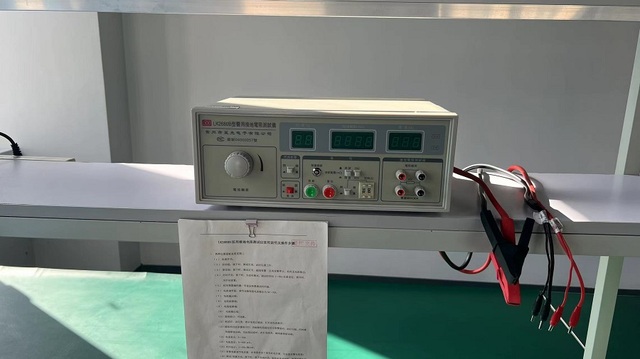
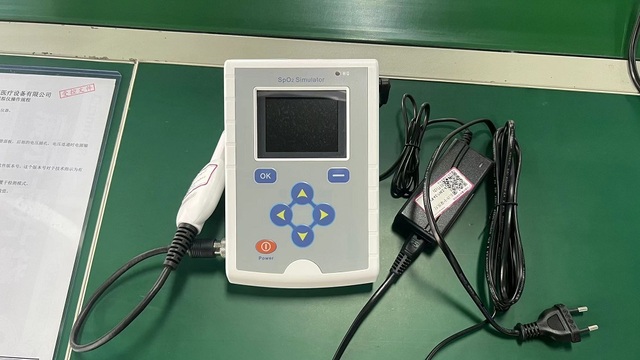
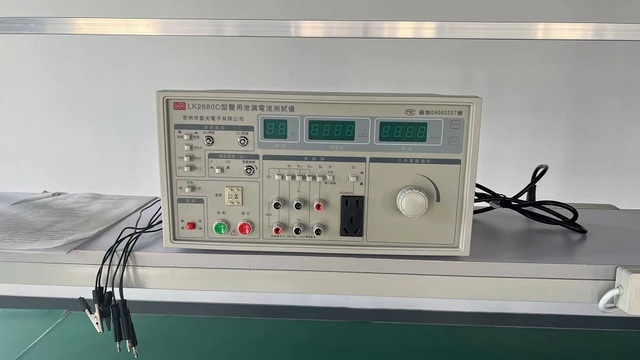
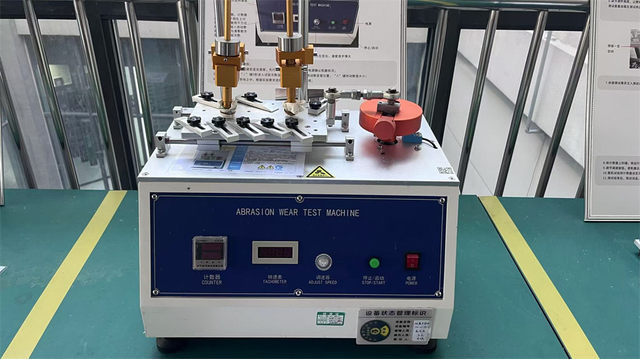
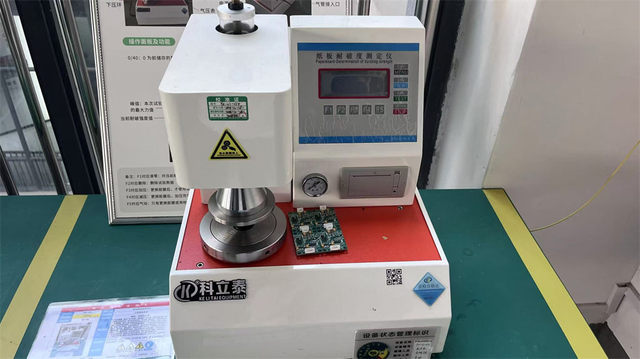
Comprehensive quality control procedures are implemented across product design, manufacturing, testing, and inspection processes. We adhere to international standards including ISO 13485 for medical devices and IEC 62304 for software life cycle processes.
Fully compliant with GDPR (Europe), HIPAA (USA), and PIPL (China). We utilize end-to-end encryption and anonymized data protocols.
We provide tailored VR solutions for specific research applications, allowing pharmaceutical firms to brand the experience and customize the data outputs.
Serving customers across North America, Europe, Asia-Pacific, the Middle East, Latin America, and Africa with dedicated export compliance teams.
VR eliminates environmental variables that can skew results. By providing a controlled, immersive environment, we can capture objective physiological and behavioral data that is more reliable than subjective patient diaries.
Yes, our headsets are designed with ergonomic weight distribution and "comfort-first" materials. We also provide "Guided VR" modes that require minimal technical knowledge from the participant.
Our software features robust API integrations, allowing seamless data flow into major EDC (Electronic Data Capture) systems and CTMS (Clinical Trial Management Systems).
Typical lead time is 4-6 weeks for standard configurations and 8-12 weeks for highly customized OEM solutions, depending on the volume and certification requirements.
 Trial Medical