Clinical-grade wearable, ePRO/eCOA, remote monitoring, and digital research platform sourcing with China factory depth, Novosibirsk localization support, and regulatory-ready documentation for CROs, sponsors, hospitals, research institutes, distributors, and OEM/ODM buyers.
Immediately after the banner, the original four product listings are presented as procurement-ready cards. Every product URL is preserved, every image is retained, and each title link is styled as a button so Novosibirsk buyers can request specifications, lead times, Russian-language documentation, and compliance evidence without losing the source catalogue path.

Novosibirsk fit: research communication, simulation, clinical training, and visitor-facing digital anatomy or trial education where a large-format display supports site engagement.
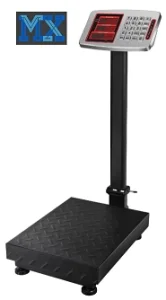
Novosibirsk fit: laboratory logistics, sample-handling checkpoints, courier intake, and heavy-duty site weighing with foldable portability and battery operation.

Novosibirsk fit: facility operations and multi-site equipment positioning with digital height feedback for controlled research, hospital, and logistics environments.
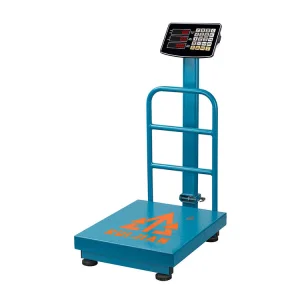
Novosibirsk fit: bench, warehouse, and study-supply weighing where a low-cost digital platform with a clear readout is required.
Transparency note: the source catalogue includes adjacent digital platform hardware beyond clinical biomarker devices. Clinical or medical use must be confirmed against intended use, applicable registration status, and sponsor validation requirements before deployment in Novosibirsk studies.
This white-paper-style guide is written for search intent clusters that combine supplier discovery, factory verification, local regulatory support, clinical operations, and long-term service planning. It answers the commercial question behind “Digital Biomarker Collection Platforms Factories & Supplier for Novosibirsk” with information gain rather than generic catalogue copy.
Semantic search for this topic is rarely a simple shopping query. A Novosibirsk buyer may be a contract research organization preparing a hybrid trial, a university laboratory adding wearable endpoints, a hospital building a telemedicine data pipeline, a distributor looking for an OEM supplier, or an industrial operator sourcing a digital platform for logistics and facility work. Google’s Search Quality Rater Guidelines reward pages that demonstrate who is responsible for the information, how the product is validated, and what local evidence supports the claim. This page therefore treats digital biomarker collection platforms as a regulated data-acquisition system, not a consumer gadget.
For Novosibirsk, the highest-value platform is one that can collect high-frequency physiological, behavioural, contextual, and patient-reported data; transmit it securely; support Russian-language workflows; and produce audit-ready records for sponsors and regulators. That requires a factory with electronics, firmware, software, mechanical design, and quality-system control, plus local partners who can handle registration, customs, training, installation, calibration, and after-sales service.
Dongguan Trial Medical Co., Ltd. is positioned for this requirement because it combines a 2016-established manufacturing base, more than 11,000 square meters of facilities, over 230 employees, and an OEM/ODM model focused on remote clinical trial monitoring, wearable health data collection, patient engagement, eCOA, and decentralized trial support. The original company profile is preserved later in this page, while the surrounding analysis adds procurement intelligence for Novosibirsk.
The practical answer is this: a strong supplier must provide a validated device pathway, a secure data pathway, a localization pathway into Russian-language sites, and a service pathway for Siberia. A low unit price without those four pathways creates downstream study risk that is usually more expensive than the initial saving.
Novosibirsk is not a remote secondary market. It is a scientific, medical, logistical, and technology hub for Siberia, and that combination directly affects how digital biomarker collection platforms are specified, imported, localized, validated, and serviced.
The Siberian Branch of the Russian Academy of Sciences, Novosibirsk State University, and specialized institutes create demand for validated sensors, raw data access, calibration records, and publication-ready metadata for investigator-initiated studies.
Hospitals and CROs in oncology, cardiology, neurology, endocrinology, and infectious disease increasingly evaluate hybrid trial models that need eConsent, ePRO, remote monitoring, and site-friendly devices.
Local laboratories and biotech companies require chain-of-custody, temperature evidence, and integration between digital consent, sample collection, laboratory information systems, and study dashboards.
Russian personal data localization rules make secure storage, role-based access, encryption, incident response, and local data-processing agreements a commercial requirement rather than a technical afterthought.
Tolmachevo Airport, the Trans-Siberian Railway, and regional road networks make Novosibirsk a distribution point. Cold-chain planning, HS classification, customs documentation, and replacement-device timing must be built into quotations.
Buyers increasingly ask for local service partners, Russian-language manuals, spare-part buffers, preventive maintenance, and training that reduces downtime for hospital and research teams.
For suppliers, the opportunity is not just to ship devices. The local buyer compares total study risk: can the platform be registered or documented, can patients use it in Russian, can data stay in the required jurisdiction, can sites be trained remotely across time zones, and can replacements arrive before a visit window closes?
The strongest proposal therefore connects technical specifications to site workflows. A wearable with excellent battery life is valuable only if it fits the patient’s daily routine, survives Siberian winter conditions, and produces data that the sponsor can reconcile with ePRO and clinical records.
Digital biomarker platforms sit inside a YMYL context: health data, clinical evidence, and patient safety. Claims must be precise, documentation must be verifiable, and responsibilities across the manufacturer, sponsor, site, and local partner must be written into the project plan.
| Compliance Area | Novosibirsk Buyer Expectation | Supplier Evidence to Request |
|---|---|---|
| Medical device and EAEU pathway | Clarity on classification, registration responsibility, authorized representative, and documentation language for the Russian market. | Technical file index, intended-use statement, risk analysis, labeling drafts, and designation of responsible regulatory roles. |
| Clinical trial compliance | Alignment with ICH-GCP E6(R3), ISO 14155, sponsor SOPs, site delegation logs, and source-data reconciliation. | Validation pack, audit trail, investigator training material, user-admin guide, and data-management plan template. |
| Personal data protection | Compliance with Russian Federal Law No. 152-FZ where applicable, plus GDPR or other sponsor requirements for cross-border studies. | Data-flow map, hosting location, encryption model, role-based access controls, retention policy, and incident-response plan. |
| Software validation | Computer-system validation, audit-ready records, electronic signatures, version control, and controlled release notes. | IQ/OQ/PQ templates, 21 CFR Part 11 assessment where relevant, change-control log, and release-management evidence. |
| Cybersecurity | Threat modeling, vulnerability management, patching, secure provisioning, and device decommissioning. | Secure development summary, software bill of materials where available, penetration-test summary, and incident escalation SLA. |
| Quality management | Traceable design, manufacturing, testing, inspection, CAPA, supplier control, and device history records. | ISO 13485-aligned QMS evidence where applicable, CAPA examples, inspection records, and supplier audit package. |
| Usability and language | Russian UI, patient-facing instructions, eConsent, accessibility for older adults, and site-friendly training. | IEC 62366-aligned usability file, Russian translation validation, screenshots, and train-the-trainer materials. |
| Customs and cold chain | HS codes, EAC-related documentation where applicable, battery shipping declarations, temperature control, and replacement logistics. | Commercial invoice template, packing list, UN38.3 battery documentation, cold-chain SOP, and customs broker checklist. |
This section is a procurement guide, not legal advice. Registration and data-protection obligations must be confirmed with qualified Russian regulatory counsel and the sponsor’s compliance team.
Translate, back-translate, and validate patient-facing text. Test on the actual tablet or phone that Novosibirsk sites will use.
Plan engineering calls, site support, and incident response around Novosibirsk time, with escalation to China and local partners.
Qualify an authorized partner for installation, calibration, first-line support, and spare-parts handling when local presence is required.
Provide structured technical documentation and change notifications so the local representative can manage regulatory submissions.
Prepare HS codes, battery declarations, labeling, and commercial documents before shipment to reduce border delays.
Define calibration intervals, preventive-maintenance tasks, device swap rules, and return-material authorization steps.
Recommend a buffer stock for high-use sites and a swap process that protects visit windows during Siberian winter logistics.
Deliver Russian-language quick-reference guides, video modules, and competency checks for investigators and coordinators.
China’s advantage is not simply cost. For digital biomarker systems, the Pearl River Delta ecosystem offers fast PCB iteration, sensor integration, injection moulding, battery and power management, RF certification support, and software engineering. Dongguan is especially deep in electronics and medical technology manufacturing.
A factory-direct relationship can reduce the risk of a trading-company intermediary that cannot control firmware changes, CAPA, device history records, or the after-sales response. It also enables OEM/ODM customization: housing, straps, sensor combinations, firmware, mobile app, cloud dashboard, packaging, Russian-language labels, and distributor-specific documentation.
However, factory depth must be matched with documented change control. A Novosibirsk sponsor should ask how firmware versions, server releases, spare parts, and clinical training content are controlled after the pilot. The supplier should be able to state what changes require re-validation, what changes require regulatory notification, and how the sponsor will be informed.
Human-factors review, labeling discipline, safe battery design, and data-integrity controls must begin before tooling.
Accelerometers, optical sensors, temperature sensors, ECG front ends, and wireless modules require validated calibration and tolerance planning.
Secure provisioning, OTA update control, audit trails, role-based access, and data-residency options should be designed as product features.
Incoming inspection, in-process controls, final release testing, CAPA, and traceability protect both the sponsor and the site.
Custom housing, labeling, packaging, app branding, and workflow configuration can support Russian distributors and CRO-specific programmes.
Pilot builds should transition to controlled production without undocumented changes in materials, firmware, or test methods.
Battery declarations, moisture protection, shock protection, and replacement packaging must match the Novosibirsk shipping route.
End-of-life notices, spare-part availability, firmware support windows, and device-decommissioning instructions reduce long-term risk.
Large sponsors and CROs rarely select a digital biomarker platform solely by catalogue specification. They evaluate whether the platform can survive audit, whether the data can be defended, whether sites can use it, and whether the supplier can support the study from first-patient-in to database lock.
Define the digital endpoint, sampling frequency, wear time, patient population, and site workflow before choosing hardware.
Request measurement-performance evidence, comparability data, calibration approach, and limitations for the intended population.
Confirm device classification, EAEU or Russian pathway, labeling, authorized representative, and post-market obligations.
Review data-flow mapping, localization options, encryption, access control, logging, vulnerability response, and vendor access.
Ask for controlled requirements, test evidence, release notes, e-signature controls, audit trails, and change-impact assessment.
Russian-language interfaces, older adults, low-literacy support, cold-weather wear comfort, and site training must be tested.
Lead time, MOQ, warranty, spare parts, device swap, customs broker support, and replacement logistics all belong in the contract.
Include translation, validation, training, service, customs, data hosting, return logistics, and end-of-study decommissioning.
| Procurement Scorecard | Typical Weight | Evidence That Changes the Decision |
|---|---|---|
| Clinical and endpoint fit | 20% | Measurement-performance report, wearability data, patient burden analysis, and site workflow map. |
| Regulatory and quality documentation | 20% | Technical file index, QMS evidence, labeling control, and change-notification process. |
| Data security and privacy | 15% | Data-residency design, encryption model, access-control matrix, incident SLA, and validation package. |
| Localization and local support | 15% | Russian UI validation, training plan, local service partner, and UTC+7 support rhythm. |
| Factory and supply-chain strength | 10% | Manufacturing traceability, supplier control, capacity plan, battery documentation, and quality records. |
| Logistics and total cost | 10% | Customs plan, cold-chain or battery shipping documentation, spare-parts buffer, and total lifecycle cost. |
| Study support and lifecycle service | 10% | Project management, escalation, replacement SLA, end-of-study data export, and decommissioning plan. |
Digital biomarker collection is moving from isolated gadgets to regulated data systems. Novosibirsk buyers should expect global sponsor requirements to arrive with local site realities: Russian-language workflows, data-localization review, winter logistics, and service continuity.
More studies combine site visits with home-based ePRO, remote monitoring, eConsent, and direct-to-participant logistics. Platforms must support both models without creating duplicate data entry.
Sponsors are investing in qualification evidence for gait, sleep, activity, cardiac rhythm, glucose, and respiratory measures. Documentation becomes as important as the sensor itself.
Patients expect simple apps and clear instructions. BYOD models require careful device compatibility, usability testing, and data-security controls across Android and iOS ecosystems.
AI can help detect missing data, signal drift, or adherence issues, but regulated use requires explainability, human oversight, and validated algorithms.
Russian data-protection expectations, global GDPR requirements, and sponsor security reviews push suppliers toward regional hosting options and transparent data-flow design.
Post-pandemic procurement teams now evaluate spare parts, replacement logistics, remote diagnostics, and service continuity as part of the platform, not as an afterthought.
The same platform can create very different value depending on the study, site, and patient population. These scenarios help Novosibirsk buyers translate requirements into a supplier brief.
Wearable and sensor validation studies for gait, sleep, activity, cardiovascular, and metabolic measures, with raw-data export and reproducible calibration records.
Home blood-pressure, glucose, weight, and activity data combined with ePRO and site dashboards to support hybrid follow-up.
Patient-reported symptom capture between visits, alerts for severe events, and Russian-language mobile workflows for older patients.
Wearable sleep, movement, and seizure-related data collection with careful attention to wear comfort, battery life, and data completeness.
Age-appropriate assent, caregiver workflows, clear Russian-language instructions, and device options that fit family routines.
Low-connectivity-tolerant data capture, offline mode, secure synchronization, and site support for patients across the Siberian Federal District.
Field-ready devices that operate in low temperatures, with battery management, insulation, and usability checks for outdoor workers.
Digital consent, sample collection timestamps, temperature evidence, and laboratory reconciliation for biomarker subsampling.
The source catalogue also includes adjacent digital platform hardware for facility, logistics, laboratory, production, and infrastructure operations. The four listings below preserve their original product URLs and images for Novosibirsk procurement teams that need a broader supplier channel.
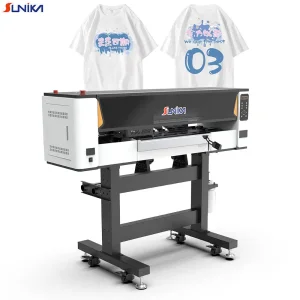
Novosibirsk fit: local production of training materials, site branding, and recruitment collateral, scoped for non-sterile commercial use.

Novosibirsk fit: high-density facility logistics and parking infrastructure for research parks, hospitals, and logistics hubs.
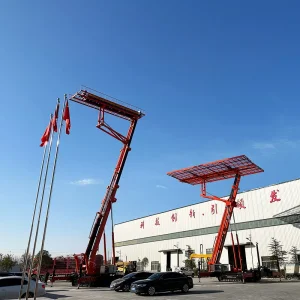
Novosibirsk fit: tall indoor and outdoor maintenance work at research campuses and hospital facilities; verify clinical-zone restrictions before use.
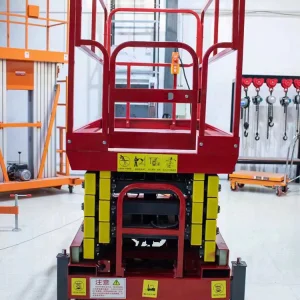
Novosibirsk fit: precision lifting for laboratories, equipment installations, and technical infrastructure with digital readout.
The following company profile is preserved from the original source. It establishes the manufacturer’s experience, facility scale, product scope, quality approach, and global customer base for Novosibirsk buyers performing supplier due diligence.
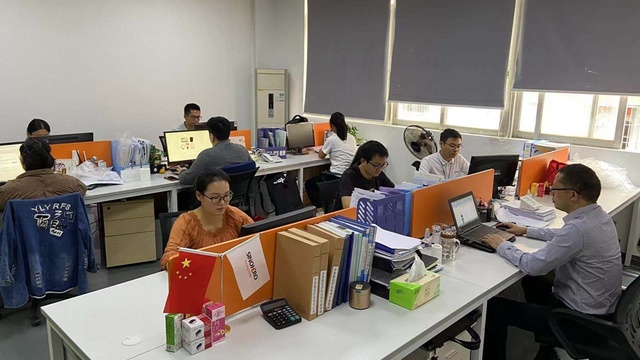
Dongguan Trial Medical Co., Ltd. is a specialized manufacturer of remote clinical trial monitoring devices, decentralized clinical trial solutions, and digital research technologies. Established in 2016, the company is located in Dongguan, China, a major center for advanced manufacturing, medical technology development, and electronic innovation.
Operating from a modern facility covering more than 11,000 square meters, with a team of over 230 employees, Trial Medical is dedicated to developing and manufacturing innovative technologies that support clinical research organizations, pharmaceutical companies, healthcare institutions, and academic research centers worldwide.
The company's product portfolio includes remote clinical trial monitoring devices, wearable health data collection systems, patient engagement platforms, electronic clinical outcome assessment solutions, digital research tools, remote safety monitoring systems, and decentralized trial support technologies. These solutions are designed to facilitate real-time data collection, improve participant engagement, streamline study management, and enhance operational efficiency throughout the clinical research process.
Supported by an experienced team of engineers, software developers, and quality management professionals, Trial Medical continuously invests in research and development to address the evolving needs of modern clinical studies. The company integrates advanced connectivity technologies, cloud-based data management capabilities, and intelligent monitoring functions to support reliable and scalable clinical research operations.
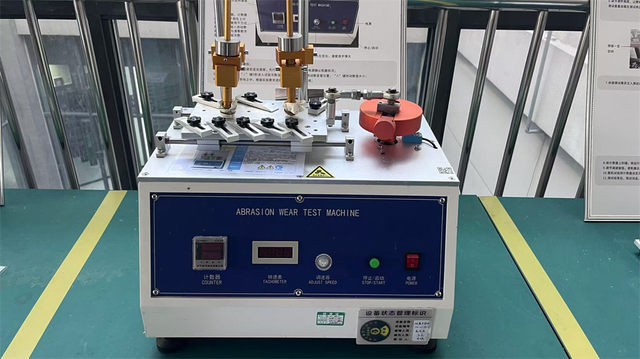
Comprehensive quality control procedures are implemented across product design, manufacturing, testing, and inspection processes to ensure consistent performance and product reliability. In addition to its standard product offerings, the company provides OEM and ODM services tailored to specific research applications and market requirements.
Serving customers across North America, Europe, Asia-Pacific, the Middle East, Latin America, and Africa, Dongguan Trial Medical Co., Ltd. is committed to advancing digital clinical research through innovative technologies that support decentralized studies, patient-centric trial models, and data-driven healthcare innovation worldwide.
For Novosibirsk buyers: request a configuration brief covering intended use, patient population, Russian-language requirements, data-residency expectations, site count, service model, and target registration pathway.
Send Inquiry Now
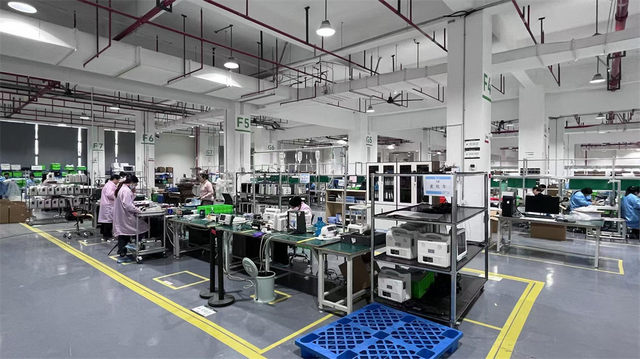
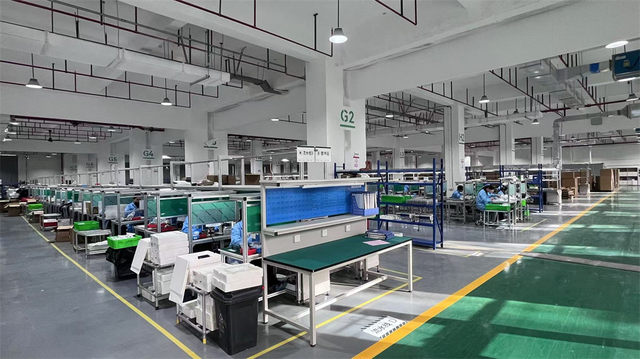
Use this five-step path to move from interest to a controlled pilot without losing regulatory, data-security, or site-operations discipline.
Write the intended use, endpoint, population, site workflow, and data-residency expectation before requesting hardware.
Confirm device classification, EAEU or Russian pathway, 152-FZ considerations, sponsor security requirements, and translation scope.
Test with a small Novosibirsk cohort, Russian-language UI, connectivity conditions, training, replacement logistics, and data export.
Finalize eConsent, ePRO, labels, help materials, API or EDC integration, audit trails, and site support escalation.
Lock spare parts, warranty, incident response, training refresh, change notification, and end-of-study decommissioning.
These answers address common commercial, technical, compliance, and localization questions from Novosibirsk research institutes, CROs, sponsors, distributors, and OEM buyers.
Dongguan Trial Medical Co., Ltd. is described in the source material as a specialized manufacturer established in 2016, with facilities over 11,000 square meters and more than 230 employees. Novosibirsk buyers should still request factory audit materials, QMS evidence, product ownership details, and the manufacturing address that will appear in the contract.
Supplier scoping can include remote clinical trial monitoring devices, wearable health data collection, patient engagement, eCOA, and decentralized trial support. Each requirement must be matched to intended use, regulatory status, data flow, and local service capability before a quotation is treated as procurement-ready.
A practical model can include Russian-speaking project coordination, UTC+7 meeting windows, remote engineering support, documentation translation, a qualified local service partner, spare-parts planning, site training, and installation or calibration support where required by the study.
Request intended-use statements, risk analysis, technical file index, labeling, validation package, software release controls, cybersecurity summary, QMS evidence, change-control procedure, and regulatory responsibility matrix. For Russian market access, confirm the EAEU or Roszdravnadzor pathway with local regulatory counsel.
Russian-language UI, eConsent, instructions, and training materials can be scoped. Data-residency architecture should be discussed early because Russian personal data rules, sponsor global policies, and study-specific requirements may require regional hosting, access controls, and documented data flows.
MOQ and lead time depend on whether the project uses a standard configuration, OEM branding, custom sensors, or a new firmware workflow. A pilot lot, validation build, and commercial production lot often have different timelines. Ask for a written assumption list covering tooling, materials, battery shipping, testing, and customs documentation.
Plan the route through air, rail, or road; confirm battery shipping documents; prepare HS codes and customs paperwork; define temperature-control requirements where applicable; and budget for replacement devices. Winter logistics should include shock, moisture, and cold-exposure protection.
OEM/ODM scope can cover branding, packaging, labels, housing, app workflow, dashboard configuration, and training materials. Customization should follow controlled requirements and change-impact assessment because firmware, cloud, and labeling changes may affect validation and regulatory obligations.
Ask for requirements traceability, test evidence, audit trail design, electronic-signature controls where relevant, secure provisioning, vulnerability handling, patching policy, release notes, and data-export validation. The sponsor should define which software changes require revalidation before the study starts.
Send a brief covering intended use, patient population, number of sites, expected participants, data variables, Russian-language needs, regulatory target, required lead time, and service expectations. Use the Send Inquiry Now button to route the request to the contact page.
This final product section preserves the remaining eight original listings with their original images and URLs. Procurement teams can use these links to compare infrastructure, laboratory, agricultural, education, and facility platform options through the same supplier channel.
Need a Novosibirsk-specific configuration brief? Send the intended use, quantity, site environment, language requirement, and target timeline so the supplier can respond with a more precise technical and compliance package.
Send Inquiry Now
Novosibirsk fit: hospital, campus, and utility infrastructure maintenance with LED work-area illumination and digital controls.
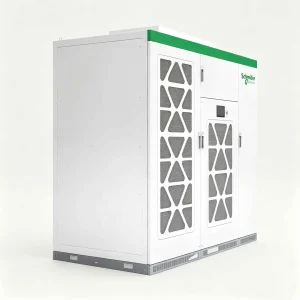
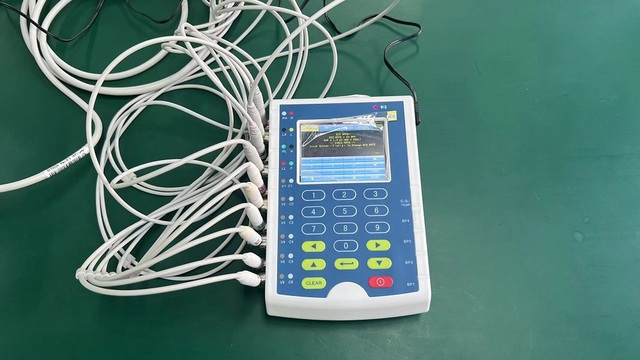
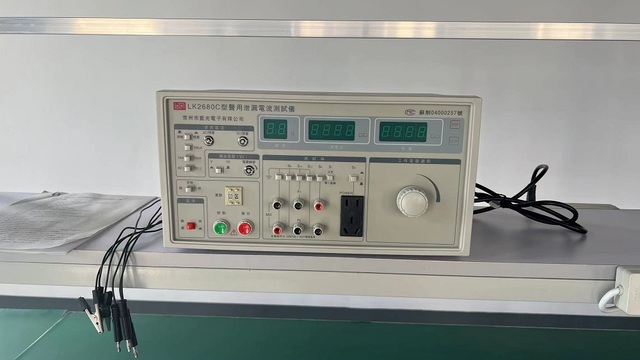
Novosibirsk fit: laboratory power and test-bench infrastructure; verify electrical safety and intended-use boundaries before clinical deployment.
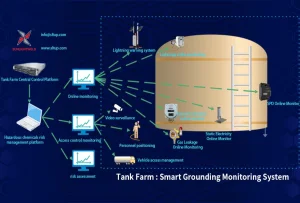
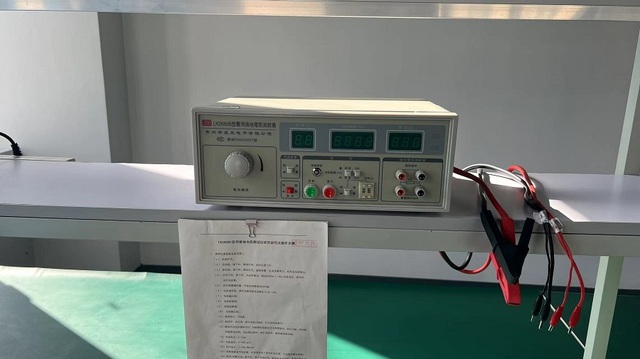
Novosibirsk fit: laboratory electrical safety, data-center grounding, and facility monitoring for research environments.
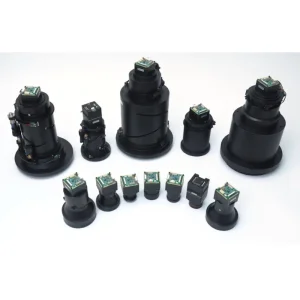
Novosibirsk fit: facility and dynamic surveillance use cases; not a diagnostic claim unless separately cleared and validated for the intended medical use.

Novosibirsk fit: agricultural research, livestock management, and regional agritech operations across Novosibirsk Oblast.

Novosibirsk fit: protection planning for research facilities, data centers, telecom rooms, and critical laboratory infrastructure.
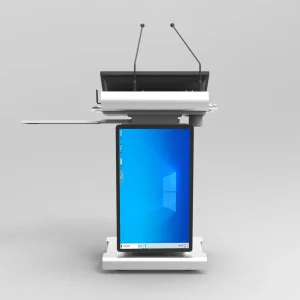
Novosibirsk fit: university teaching, investigator meetings, telemedicine training, and hybrid research-education environments.

Novosibirsk fit: digital education, workforce training, and remote learning support for research and healthcare training programmes.
 Trial Medical