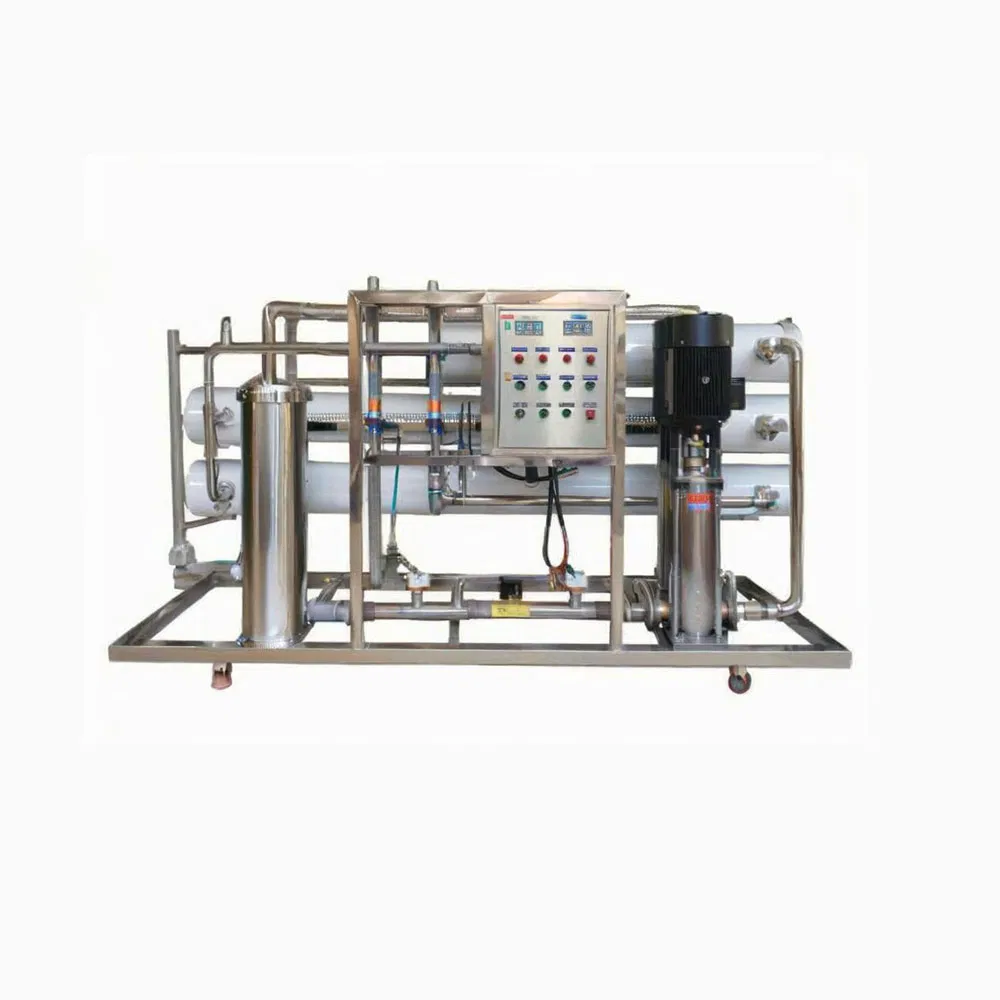
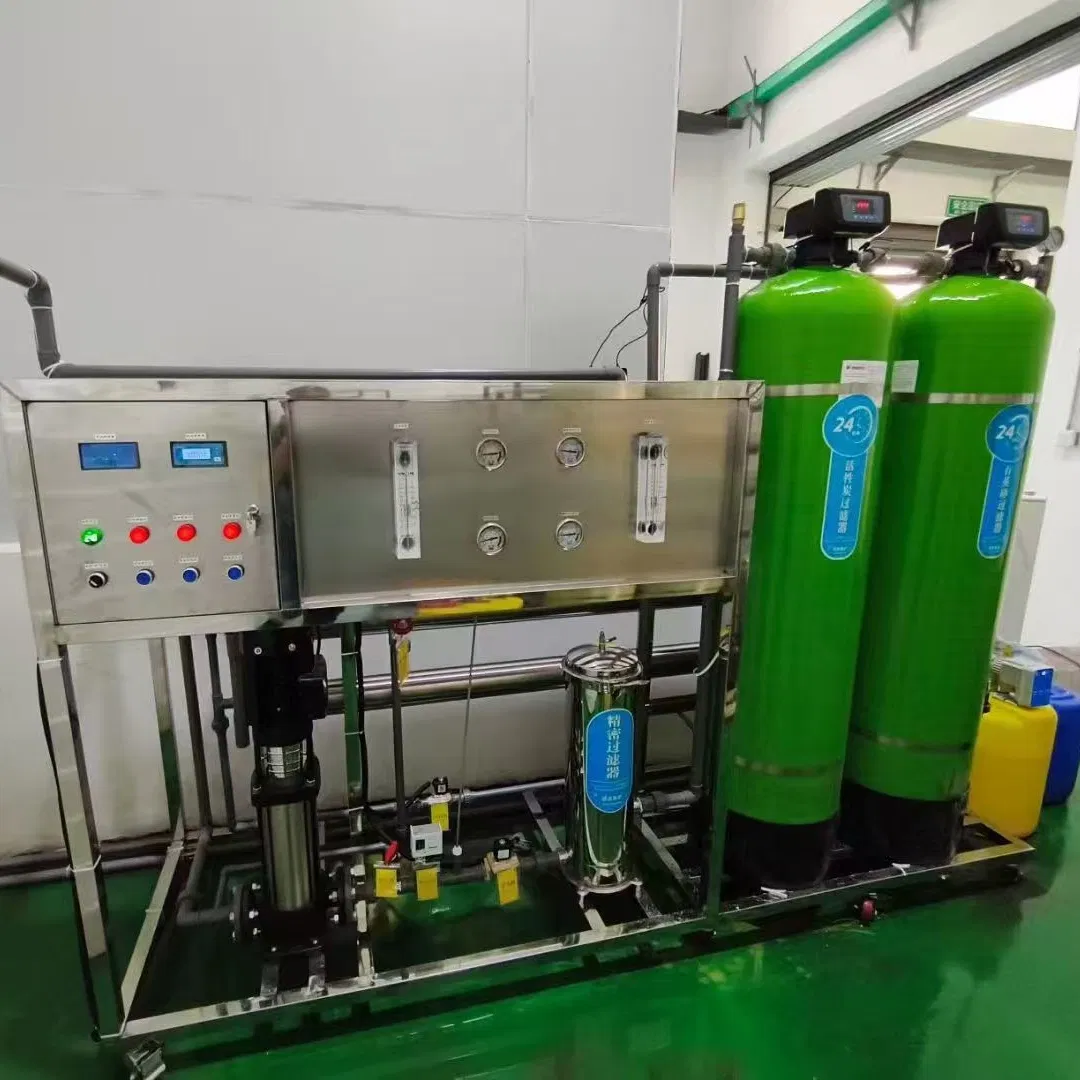
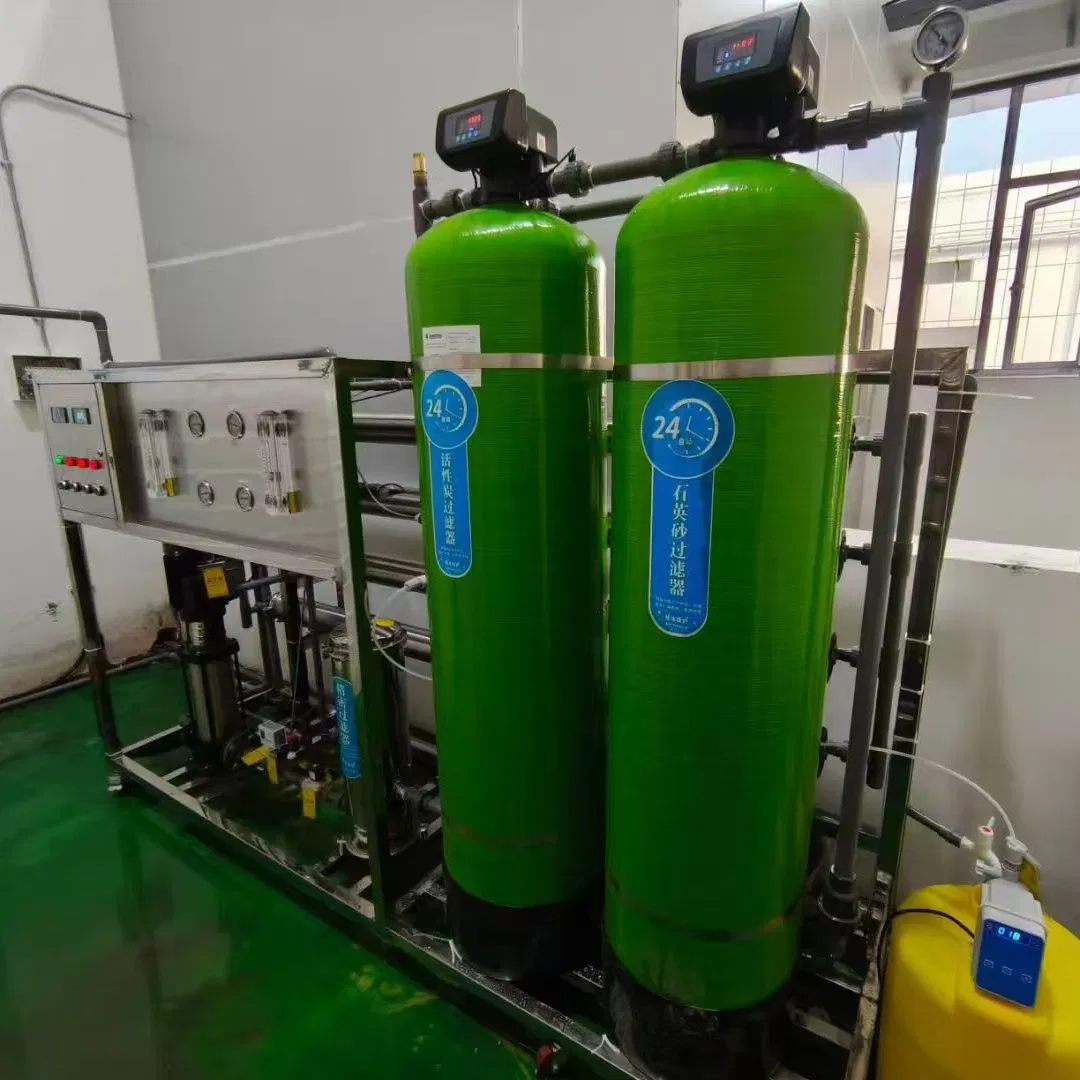
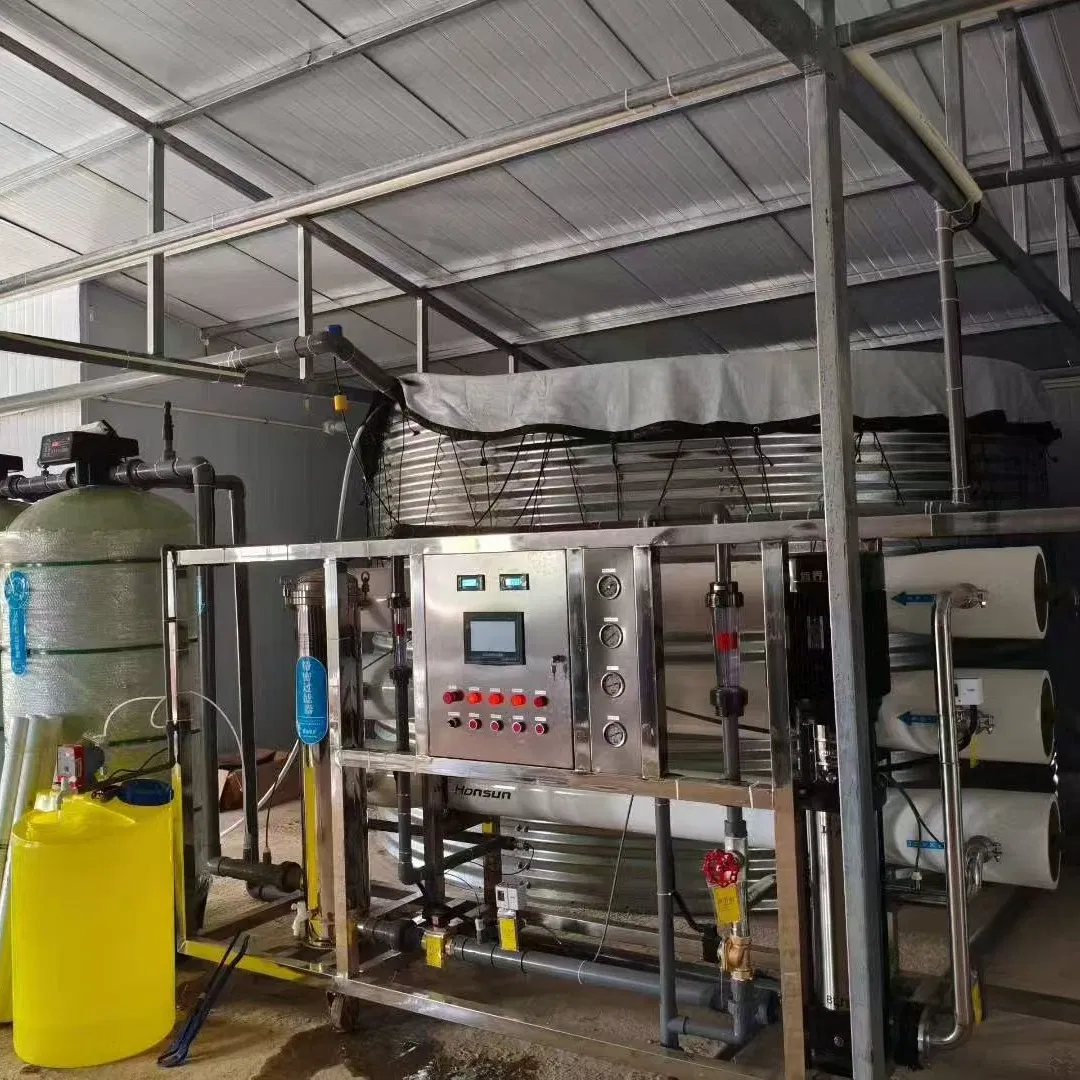
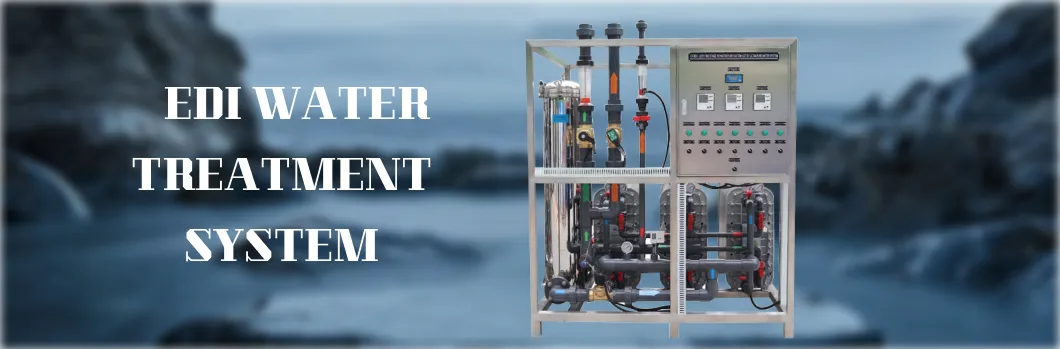
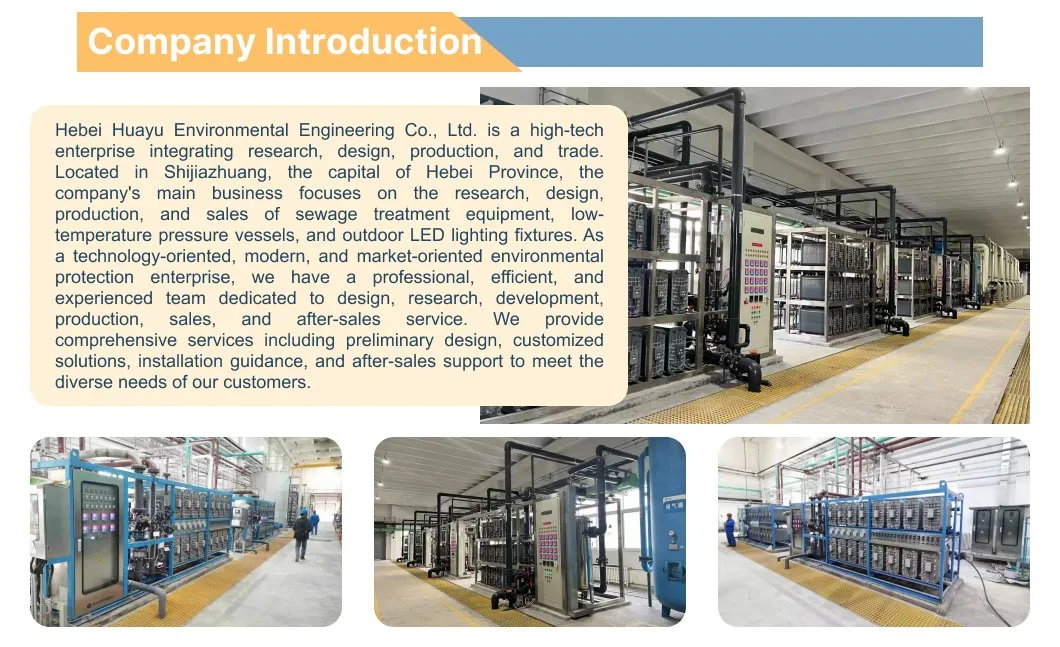
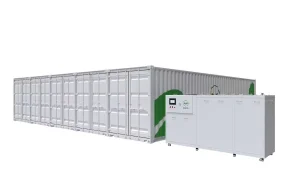
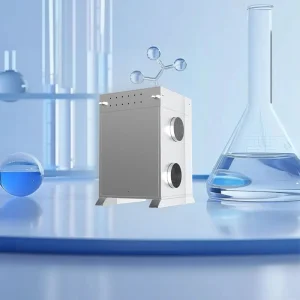
Our cutting-edge EDI equipment is expertly engineered for seamless integration following the reverse osmosis system, effectively replacing antiquated mixed bed ion exchange technology (MB-DI) to deliver consistently stable ultrapure water. Compared with mixed ion exchange technology, EDI technology provides unparalleled advantages in performance and reliability.
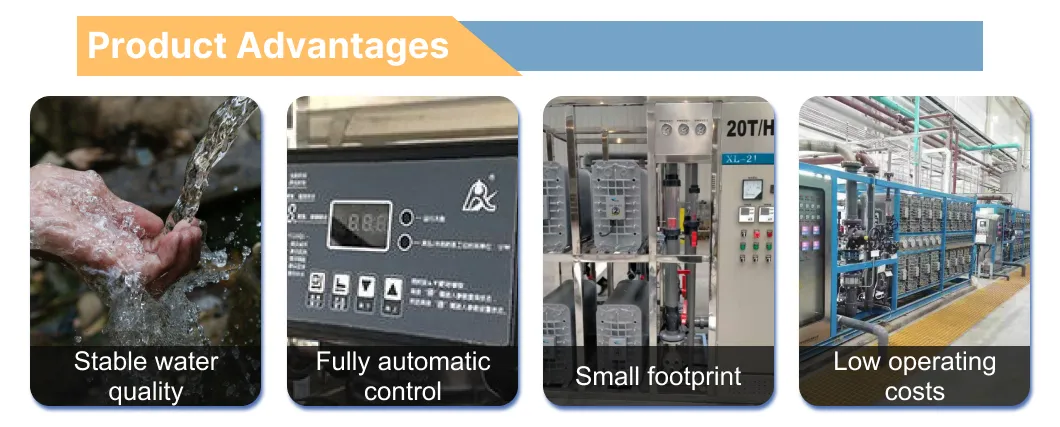
Reliable, Stable Water Quality
Fully Automatic Control Systems
Continuous Operation Without Shutdown
Eliminates Chemical Regeneration
Significantly Reduced Operating Costs
Compact Design Optimizing Footprint
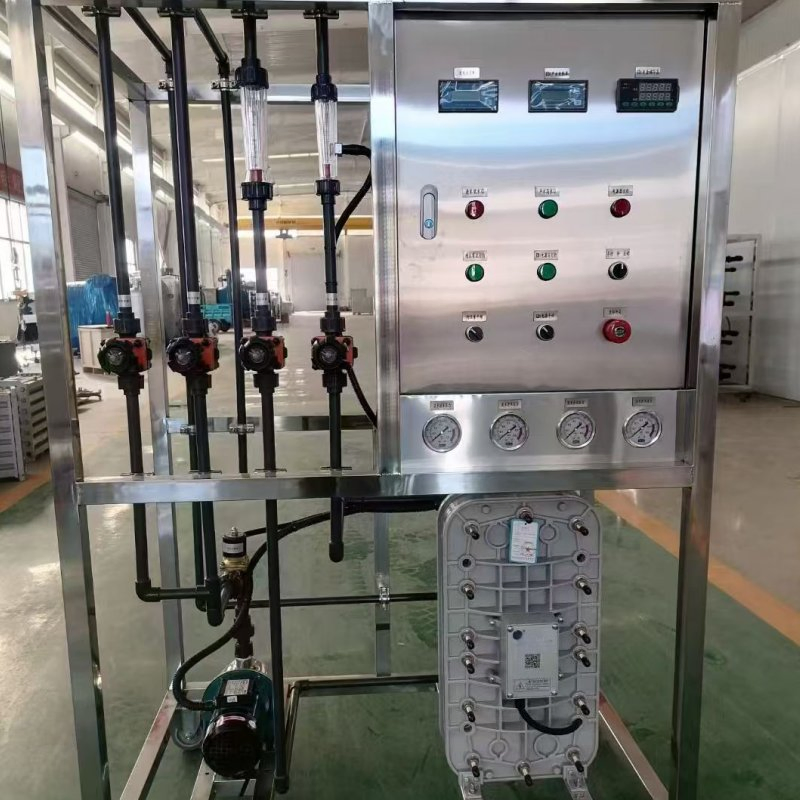
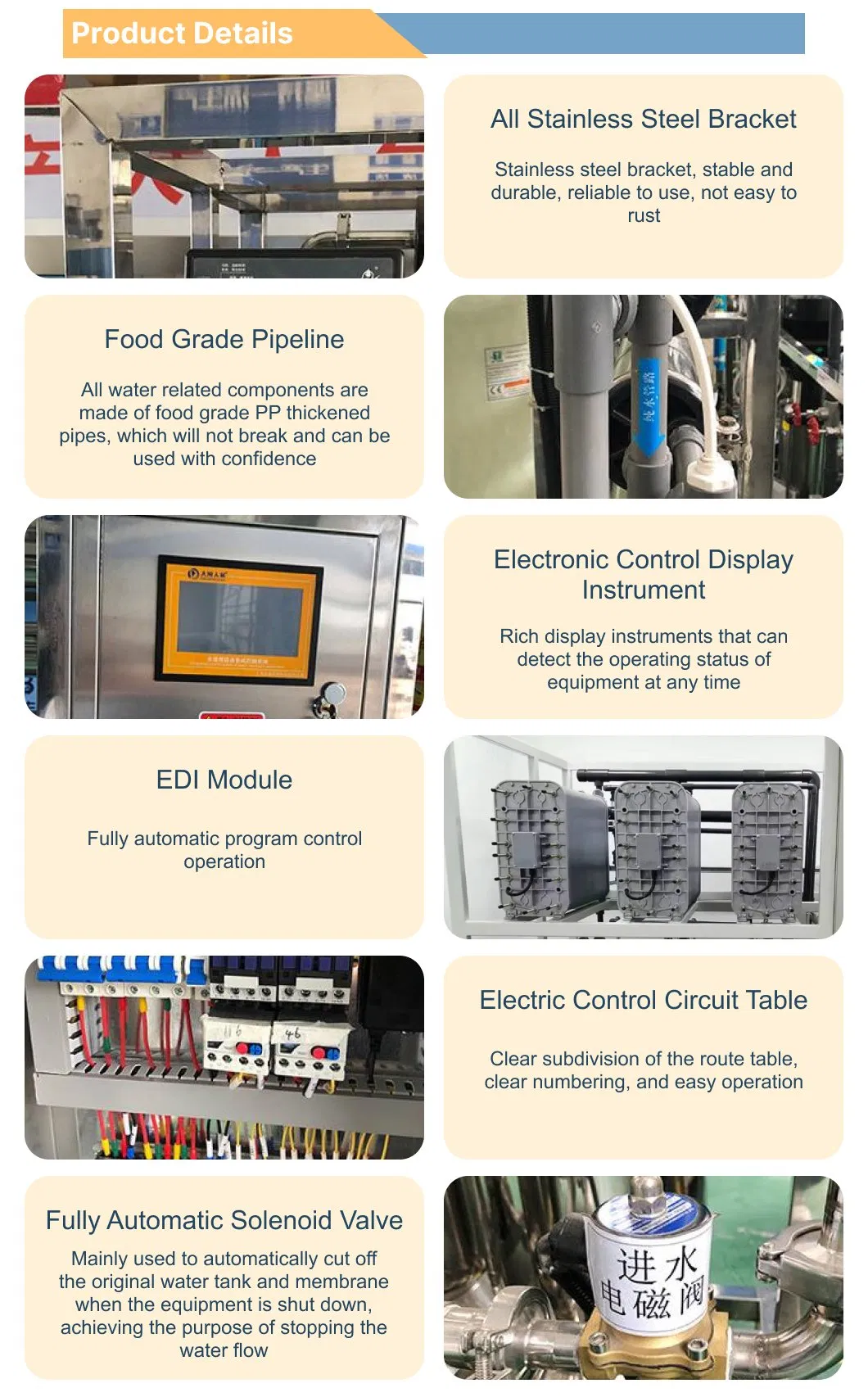
Detailed Photos
Working Principle
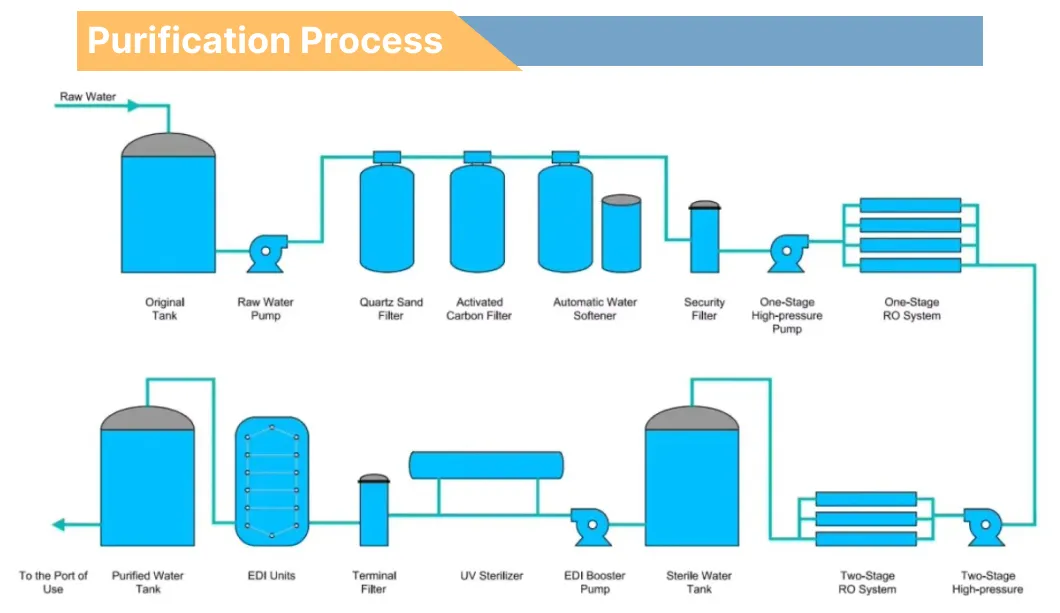
Our sophisticated EDI (Electrodeionization) system combined with reverse osmosis meticulously extracts ions from water. The module divides ion exchange resin into working and polishing sections. The working resin removes the majority of ions, while the polishing resin targets challenging ions like weak electrolytes. The produced ultrapure water boasts a resistivity of 15-18.25 MΩ·cm.
Our Advantages
Product Parameters
Parameters
HYHJ-RO/EDI-2T
HYHJ-RO/EDI-3T
HYHJ-RO/EDI-4T
Size (L*W*H)
4500/700/1920mm
5000/750/2100mm
5500/800/2100mm
Control Mode
Fully Automatic
Fully Automatic
Fully Automatic
Device Power
AC/380V/50HZ
AC/380V/50HZ
AC/380V/50HZ
EDI Module
2000L/H
3000L/H
4000L/H
Filter Element
40''5μm
40''5μm
40''5μm
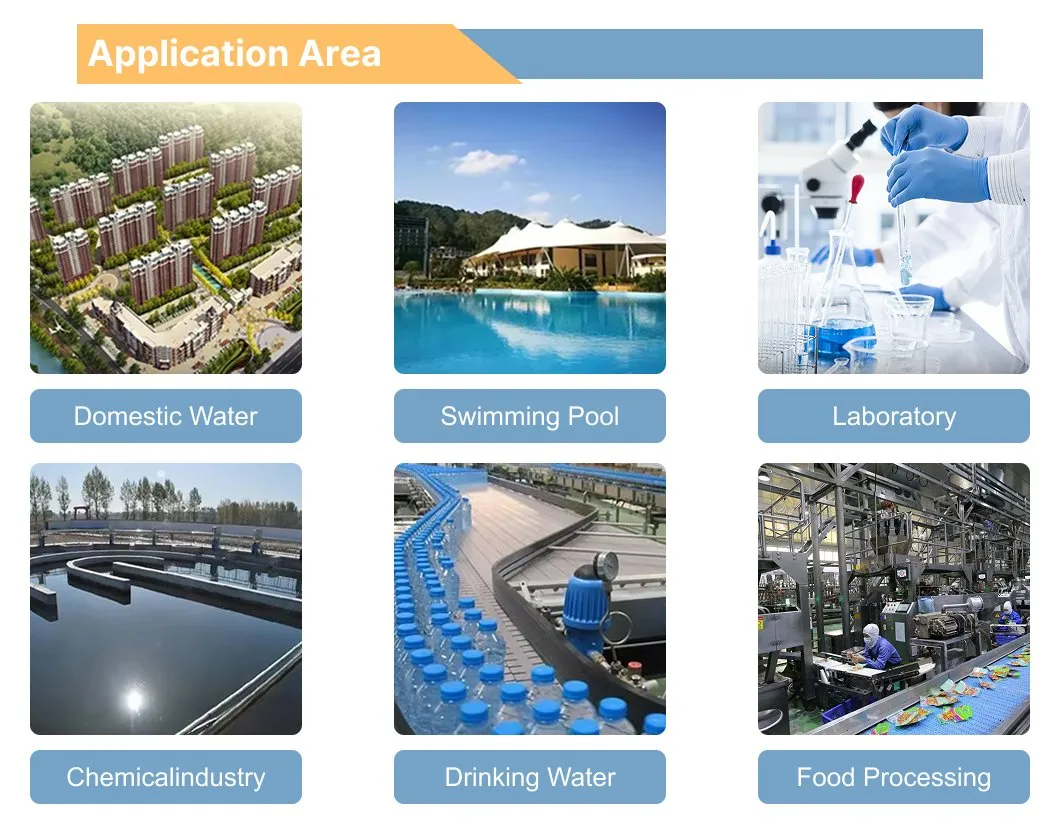
Product Application
Professional Showcase
FAQ
What is the output water quality of this EDI equipment?
The system produces ultrapure water with a resistivity ranging from 15 to 18.25 MΩ·cm, suitable for high-precision laboratory and industrial needs.
Does this system require chemical regeneration?
No, unlike traditional mixed bed systems, EDI technology eliminates the need for hazardous chemical regeneration processes.
Is the operation manual or automatic?
The equipment features a fully automatic operation mode, allowing for effortless control and monitoring without constant manual intervention.
Can the equipment run continuously?
Yes, the system is designed for continuous operation without the need to shut down for regeneration, ensuring a steady supply of ultrapure water.
What industries is this equipment suitable for?
It is ideal for research laboratories, pharmaceuticals, chemicals, electronics, and any industry requiring high-purity water.
How does EDI help in reducing operating costs?
By eliminating the purchase and disposal of chemicals and reducing labor for regeneration, EDI significantly lowers long-term operational expenses.