Remote monitoring is redefining the landscape of clinical research. It allows for more precise tracking of patient data and improves study efficiency. According to Dr. Sarah Lindholm, an expert in clinical trial methodologies, "Remote monitoring not only increases data accuracy but also enhances patient engagement." This dual benefit is crucial in the fight against patient dropout rates.
How does remote monitoring improve clinical research? It enables real-time data collection, which can lead to quicker decisions and adaptations during trials. Researchers can identify issues as they arise, minimizing delays. Moreover, it offers patients a more convenient way to participate, potentially increasing enrollment and retention. However, not all benefits are clear-cut. There are concerns about data privacy and the need for robust technology platforms.
In the evolving field of clinical research, balancing innovation with ethical responsibility is vital. As trials become more reliant on remote monitoring, researchers must adapt their strategies. The potential for improved outcomes is significant, but caution is essential. Embracing these changes requires reflection and a commitment to best practices.
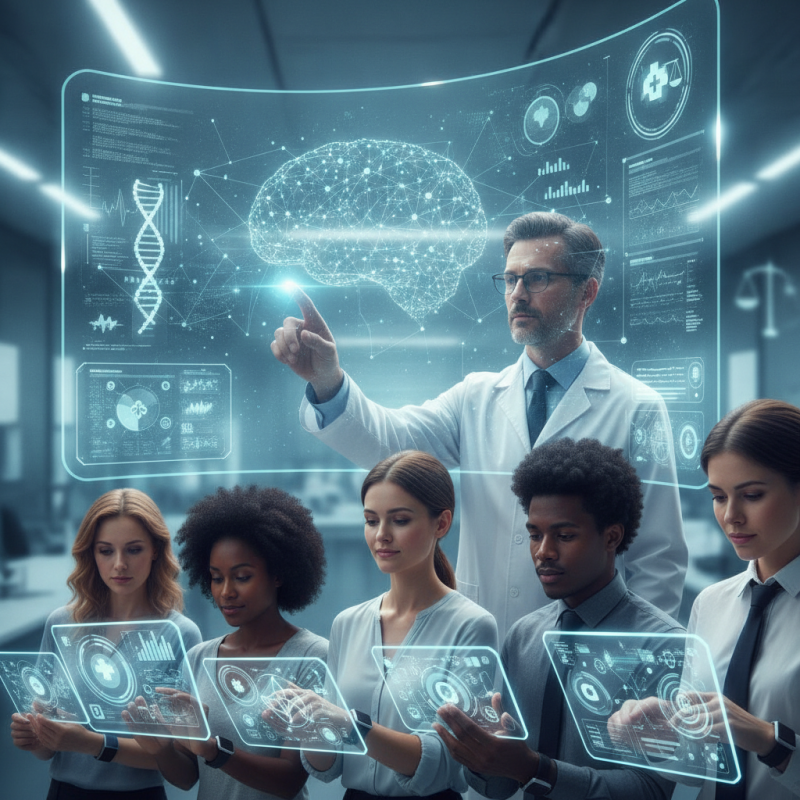
Remote monitoring is revolutionizing the landscape of clinical research. It allows researchers to collect real-time data from participants, enhancing the accuracy of findings. This approach diminishes the need for frequent in-person visits, making participation easier for patients. As a result, the diversity of study participants increases, leading to more reliable and generalized results.
Tips: Always ensure that the remote monitoring tools are user-friendly for participants. Providing clear instructions can improve compliance and data quality. Regular check-ins can also encourage engagement and address any issues participants may face.
Moreover, remote monitoring can streamline trial protocols. Researchers can quickly assess data trends without delays. However, challenges remain. Some patients may feel isolated without face-to-face contact, which can affect their motivation. Balancing technology with a human touch is crucial for participant retention.
Tips: Incorporate regular virtual meetings to maintain rapport with participants. Listening to their feedback can enhance the remote experience and bolster trust in the research process.
Remote patient monitoring (RPM) offers significant benefits for clinical research data collection. With technology advancing, researchers can access real-time data from patients in their natural environments. This leads to more accurate insights into patient behaviors and health conditions.
Data collection can be more comprehensive with RPM. Patients can provide information from home, reducing the need for frequent clinic visits. This flexibility encourages higher patient participation and compliance. Researchers gain more data points, leading to meaningful conclusions. The depth of data captured can reveal patterns often missed with traditional methods.
Tip: Encourage patients to share their monitoring experiences. This can build trust and improve data quality.
Despite its advantages, RPM is not without drawbacks. Connectivity issues can disrupt data flow. Not all patients are comfortable using technology, leading to gaps in data. Researchers must address this by providing adequate support and training.
Tip: Offer simple guides and resources to help patients get comfortable with monitoring devices. This can lessen frustration and enhance data reliability.
Remote monitoring technologies are transforming clinical research. They empower patients to engage in their care from the comfort of home. This shift can lead to better data collection and improved patient adherence to treatment protocols. Patients can log their symptoms, medication intake, and lifestyle habits conveniently. This real-time data helps researchers grasp patient experiences more accurately.
Tips: Encourage patients to be consistent in recording their health details. Set reminders and keep a daily journal to note changes. This practice can enhance the reliability of data collected.
Engagement can also be fostered through user-friendly interfaces. When monitoring tools are intuitive, patients feel more confident using them. However, technology can sometimes lead to frustration. It's essential to recognize that not all patients will adapt quickly to these systems. Regular support and training can bridge this gap.
Tips: Offer easy-to-follow guides or video tutorials for new users. Consider hosting webinars to answer questions and provide support. The goal is to create a supportive environment for all patients.
| Study Title | Remote Monitoring Technology | Patient Engagement Level (%) | Clinical Outcome Improvement (%) | Study Duration (Months) |
|---|---|---|---|---|
| Diabetes Management Through Telehealth | Wearable Glucose Monitors | 85 | 30 | 12 |
| Hypertension Control Using Home Monitors | Blood Pressure Cuffs | 78 | 25 | 6 |
| Cardiac Monitoring via Mobile Apps | ECG Monitoring Apps | 90 | 40 | 18 |
| Asthma Management With Remote Sensors | Air Quality Monitors | 82 | 33 | 10 |
| Post-operative Recovery Tracking | Remote Health Monitoring Solutions | 88 | 35 | 9 |
Remote monitoring has emerged as a powerful solution to address challenges in clinical research. Poor patient recruitment and retention have long plagued studies. According to a recent report, nearly 85% of clinical trials fail to meet their original timelines due to these issues. Remote monitoring enables researchers to keep participants engaged and allows real-time data collection. This flexibility can significantly reduce dropout rates, which often range between 30% to 40% in traditional settings.
Moreover, the integration of remote monitoring helps in collecting more diverse data. A study revealed that diverse patient demographics can enhance the validity of research outcomes. By leveraging mobile technology, researchers can tap into underrepresented populations who may not have access to traditional clinical settings. However, challenges remain. Researchers must balance technology’s benefits and ensure data security. Cybersecurity threats are a persistent concern, with over 60% of healthcare organizations reporting a data breach.
The reliance on technology can also lead to data overload. Managing vast amounts of information requires specialized skills and resources. Researchers often struggle to analyze data efficiently, which may lead to missed insights. Adapting to this changing landscape demands ongoing training and flexibility in research approaches. The potential of remote monitoring in clinical research is vast, but it comes with challenges that warrant careful consideration.
Remote monitoring is reshaping clinical trials. This innovation provides real-time data collection, enhancing data reliability. Researchers can track patient progress without physical visits. This flexibility increases participant engagement, a crucial factor for study success. However, data privacy remains a concern that must be addressed.
Future trends point towards integrating artificial intelligence into monitoring systems. AI can analyze large datasets for patterns that humans might overlook. This could streamline patient selection and improve trial designs. Yet, technology's rapid advancement poses challenges. Regulatory bodies must adapt to ensure patient safety.
Adopting remote monitoring does not come without pitfalls. Researchers must balance efficiency with ethical considerations. Variability in technology access can create disparities in data quality. As we move forward, continuous evaluation and adjustment will be essential.
: Remote patient monitoring allows real-time data collection in natural environments. It leads to better insights and data points.
Patients can share data from home. This reduces clinic visits and increases their willingness to participate in studies.
Connectivity issues may disrupt data flow. Some patients may feel uncomfortable with technology, causing data gaps.
Providing simple guides can help patients feel at ease. This enhances their experience and data reliability.
Diverse data improves research validity. It helps to capture insights from underrepresented populations.
Many healthcare organizations face data breaches. Ensuring data security is a critical challenge for researchers.
Managing large volumes of data can overwhelm researchers. Skills and resources are necessary to analyze effectively.
Integrating artificial intelligence could enhance analysis. However, adapting regulatory measures is crucial for patient safety.
Balancing efficiency and ethics is important. Technology access variability can impact data quality and equity.
Ongoing assessment helps adapt research methods. It ensures challenges are addressed as technology evolves.
Remote monitoring significantly improves clinical research outcomes through its ability to enhance data collection and patient engagement. By employing advanced technologies, researchers can collect real-time health data from patients in their natural environments, which leads to more accurate and comprehensive datasets. Furthermore, remote monitoring fosters greater patient engagement by allowing participants to track their health metrics and facilitating consistent communication with research teams, ultimately improving retention rates and compliance.
However, there are challenges associated with implementing remote monitoring in clinical research, such as data security concerns and the need for robust technological infrastructure. Addressing these challenges is crucial for maximizing the benefits of remote monitoring. Looking ahead, future trends are likely to focus on the integration of artificial intelligence and machine learning, which can further optimize data analysis and enhance overall research effectiveness. In summary, understanding how does remote monitoring improve clinical research is essential for harnessing its full potential and addressing the evolving needs of clinical trials.

Trial Medical