What Is a Remote Clinical Trial Monitoring Device?

Time:2026-10-01 Author:Henry
0%

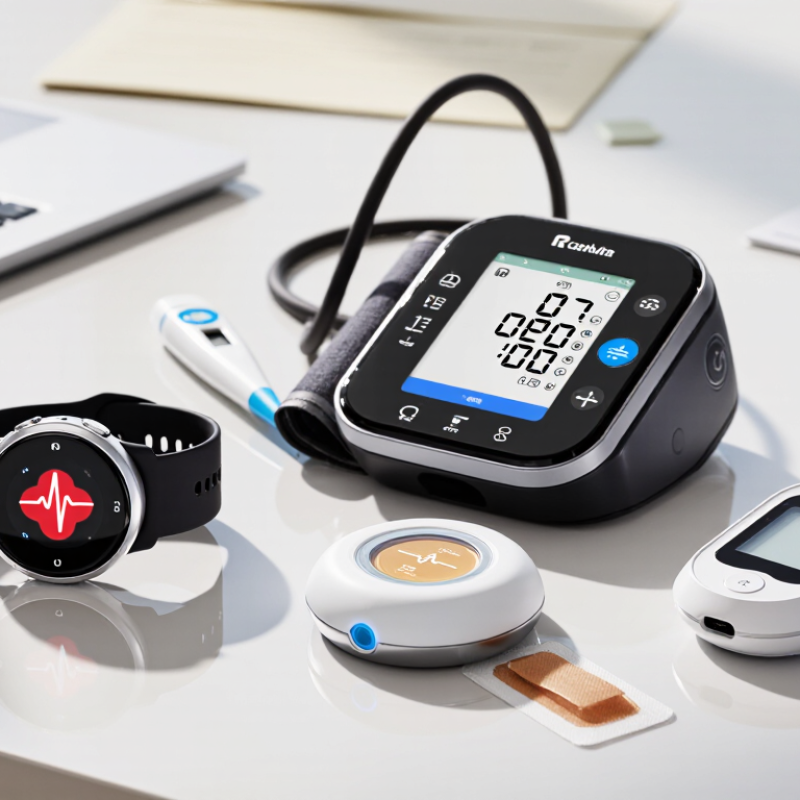
What is a remote clinical trial monitoring device? It is a connected tool that collects participant data outside traditional research sites. It may include a smartwatch, blood pressure cuff, glucose sensor, digital thermometer, or Bluetooth spirometer. These devices can record heart rate, sleep, movement, oxygen levels, symptoms, and medication-related observations. The data travels through a secure application or approved cloud platform. Investigators can then review trends without requiring every participant to visit a clinic.

Jennifer Goldsack, founder and chief executive of the Digital Medicine Society, describes the direction of modern research clearly: “Digital measures can make clinical research more accessible and meaningful for participants.” That principle matters. A device should reduce travel, not create another daily burden. A participant might wear a sensor during work, answer a short evening questionnaire, and receive a low-battery reminder before bedtime. Meanwhile, a study team may see a repeated oxygen decline and contact the participant through an approved clinical pathway.

The device is not magic. It can lose connectivity, misread motion, or overwhelm staff with false alerts. Those weaknesses deserve attention. Good remote monitoring requires validated measurements, documented procedures, trained investigators, cybersecurity controls, and participant support. Experience also shows that comfort matters. A technically impressive device may fail if its strap irritates the skin or its instructions confuse older users. Understanding what is a remote clinical trial monitoring device therefore requires more than naming its sensors. It requires examining data quality, human experience, clinical relevance, and responsible oversight.
What Is a Remote Clinical Trial Monitoring Device?

Definition and Purpose of a Remote Clinical Trial Monitoring Device

A remote clinical trial monitoring device is a connected tool that collects participant data outside a research site. It may include a wearable sensor, blood-pressure monitor, thermometer, spirometer, or electronic questionnaire. The device records measurements and transfers them securely to the study team. Some devices operate automatically. Others require the participant to take a reading and confirm symptoms.

Its purpose is practical Measure health changes in daily life and reduce unnecessary clinic visits. A 2023 U.S. Food and Drug Administration guidance document explains that digital health technologies can support remote data collection when they are fit for purpose. Tufts Center for the Study of Drug Development has reported that roughly 80% of clinical trials experience recruitment or retention challenges. Remote monitoring may reduce travel pressure, especially for people living far from research sites. Small gains matter.

A reliable device must have documented accuracy, calibration procedures, user training, data-transfer controls, and an audit trail. Clinical teams should review abnormal readings promptly, not leave decisions to software alone. Connectivity failures still occur. Older adults may need hands-on support. A 2024 industry analysis of decentralized trials also identified technology access and participant engagement as continuing barriers. Remote monitoring is useful, but it is not automatically patient-friendly. Poor instructions can create missing data, false alerts, or silent frustration. Researchers should test the device with real participants before relying on it.

Core Technologies Used in Remote Trial Monitoring

What Is a Remote Clinical Trial Monitoring Device?

Core Technologies Used in Remote Trial Monitoring

A remote clinical trial monitoring device collects health data outside traditional research sites. It may include wearable sensors, home blood pressure monitors, digital thermometers, and connected scales. These tools measure readings such as heart rate, oxygen levels, sleep patterns, and body weight. Bluetooth transfers data to a mobile application or home hub. The system then sends records to a secure research platform.

Data encryption protects information during transfer and storage. Role-based access limits who can view sensitive records. Cloud dashboards help research teams identify missing readings or unusual changes. Some platforms use automated alerts for predefined safety thresholds. However, alerts are not diagnoses. Clinical staff must review context, symptoms, and measurement quality. Remote devices also need calibration checks. A loose sensor can create misleading results.

Tips: Keep devices in the same location. Check batteries weekly. Record unusual symptoms beside each reading. Participants should report device discomfort promptly. Simple instructions often improve adherence more than complicated training.

Interoperability is another core technology. Devices should exchange structured data with electronic trial systems without repeated manual entry. Application programming interfaces can support this connection, but integration errors still occur. Offline storage helps when internet access is unstable. Once connectivity returns, the device can synchronize stored measurements. This feature is useful in rural homes and during travel. Still, remote monitoring is not flawless. Older adults may need technical support, and some readings may reflect device use rather than genuine health changes. Regular quality reviews remain essential.

How the Device Supports Clinical Trial Data Collection

What Is a Remote Clinical Trial Monitoring Device?

A remote clinical trial monitoring device is a connected tool used outside traditional research sites. It may measure heart rate, blood pressure, temperature, movement, or other protocol-defined outcomes. The device sends readings to a secure study platform for review. This process gives researchers more frequent information than occasional clinic visits. A participant can take a blood pressure reading at home before breakfast. However, the workflow is rarely perfect. Batteries fail. Sensors shift. Participants sometimes forget a scheduled measurement.

How the Device Supports Clinical Trial Data Collection

The device records measurements with timestamps, which helps teams track changes over time. These records can support safety reviews and improve the accuracy of participant reports. Study staff may notice unusual patterns and contact a participant before the next visit. Still, every reading needs context. A low value might reflect a real change, or simply poor sensor placement. Experienced teams verify device performance, follow the study protocol, and document missing or questionable data. Secure data transfer and controlled access also help protect participant privacy. Remote collection reduces travel, but it does not replace clinical judgment.

Tips: Give participants short, illustrated instructions. Demonstrate the device during enrollment. Ask them to complete one practice reading. Record missed measurements honestly. Avoid filling gaps with assumptions. Review data regularly, and investigate patterns that look inconsistent. Clear feedback often matters more than complicated technology.

Benefits and Limitations in Decentralized Clinical Trials

What Is a Remote Clinical Trial Monitoring Device?

Benefits and Limitations in Decentralized Clinical Trials

A remote clinical trial monitoring device collects participant data outside a traditional research site. It may record blood pressure, heart rate, glucose levels, sleep, or movement. Some devices transmit readings through a secure mobile application. Others store information until a scheduled upload. In practice, this approach can reduce travel and capture health changes during normal daily routines.

For decentralized trials, the main benefit is convenience. A participant can measure blood pressure at home before breakfast. Investigators may receive frequent readings instead of relying on occasional clinic visits. This can improve data continuity and help identify concerning trends earlier. Remote monitoring may also support older adults or people living far from research centers. Clear instructions, device training, and responsive technical support remain essential.

Limitations are less visible but important. Poor internet access can delay uploads. Incorrect placement can produce unreliable measurements. Batteries fail. Participants may forget evening readings. A device can look precise while recording the wrong behavior. Data quality therefore depends on calibration, validated endpoints, and regular review by trained clinical staff. Privacy controls, informed consent, access limits, and audit trails also require careful planning. Even small design choices matter, such as using large buttons for participants with limited dexterity. Remote monitoring reduces some burdens, but it can create new ones. Continuous alerts may increase anxiety for participants and workload for investigators. The technology helps, but it does not replace clinical judgment.

What Is a Remote Clinical Trial Monitoring Device? — Benefits and Limitations in Decentralized Clinical Trials

Monitoring Dimension What the Device Enables Potential Benefit in a Decentralized Clinical Trial Key Limitation or Risk Recommended Operational Control
Definition and Scope Remote clinical trial monitoring devices include connected wearables, home-based medical equipment, mobile applications, electronic diaries, sensors, and telehealth tools used to collect or transmit participant data outside a traditional study site. Supports data collection in participants’ normal environments and can reduce the need for frequent in-person visits. Different device types may collect different data formats, use different validation approaches, and have different levels of clinical suitability. Define the intended use, data source, measurement method, and clinical purpose for every device before study activation.
Vital Signs May capture measurements such as blood pressure, heart rate, body temperature, oxygen saturation, weight, or respiratory rate, depending on the device and study protocol. Enables repeated or scheduled measurements at home and may help identify changes between site visits. Readings can be affected by device placement, calibration, participant technique, movement, environmental conditions, or unsuitable equipment. Provide standardized instructions, training, device checks, repeat-measurement rules, and predefined escalation thresholds.
Activity and Sleep Data Wearable sensors can record movement, step counts, activity patterns, sleep duration, or other digital measures when specified by the protocol. Produces longitudinal observations that may be useful for functional, behavioral, or symptom-related endpoints. Algorithms and sensor placement can vary, and activity data may not directly represent a clinical outcome without appropriate validation. Use a prespecified data-processing plan and confirm that the digital measure is fit for the intended endpoint.
Patient-Reported Outcomes Mobile applications or web-based tools can deliver electronic questionnaires, symptom diaries, quality-of-life assessments, and event reminders. Allows participants to report information close to the time of an event and can reduce paper handling and transcription. Missing entries, recall bias, language barriers, accessibility issues, or changes in questionnaire presentation may affect data quality. Use validated instruments, consistent scheduling, accessible interfaces, completion reminders, and documented procedures for missed assessments.
Medication Adherence Connected packaging, electronic medication diaries, reminders, or participant confirmations can document medication-taking behavior. May provide more timely adherence information than relying only on participant recall or returned medication counts. A recorded opening, reminder response, or self-report does not always prove that the medication was taken correctly. Clearly define adherence terminology and combine device information with other protocol-approved adherence assessments where appropriate.
Telehealth and Video Visits Secure video or audio communication can support remote assessments, participant check-ins, training, and safety follow-up. Improves access for participants who live far from research sites and can reduce travel time and expense. Connectivity failures, limited physical examination capability, privacy concerns, and regional practice requirements may restrict use. Provide a backup communication method, verify participant identity, document consent requirements, and specify when an in-person assessment is necessary.
Continuous or Frequent Data Collection Some devices can collect data automatically or at frequent intervals without requiring a participant to enter every measurement manually. Can reveal patterns or changes that may be missed during occasional clinic visits. High-volume data can create unnecessary review burden, false alerts, storage demands, and difficulty distinguishing clinically meaningful signals. Use clinically justified sampling schedules, alert rules, data-quality filters, and a documented review workflow.
Data Transmission Data may be transferred through Bluetooth, mobile networks, Wi-Fi, or a secure web portal to an approved study data environment. Reduces manual data entry and can make information available to authorized study personnel more quickly. Pairing problems, weak connectivity, battery depletion, synchronization errors, or delayed transfers can create missing or late data. Monitor transmission status, provide troubleshooting support, use timestamped records, and define procedures for offline data capture.
Participant Convenience Remote devices can allow participants to complete certain study activities at home or during normal daily routines. May reduce travel, time away from work, transportation barriers, and dependence on local site availability. Participants may experience device fatigue, frequent notifications, charging requirements, discomfort, or difficulty using multiple technologies. Minimize unnecessary devices, simplify instructions, assess usability during pilot testing, and offer accessible technical assistance.
Data Quality and Completeness Automated collection can create time-stamped records and reduce transcription errors when the device is used correctly. Supports more consistent collection and may improve visibility into adherence to scheduled assessments. Automation does not eliminate missing, inaccurate, duplicated, or nonrepresentative data; device use may vary across participants. Define data-quality checks, reconciliation procedures, audit trails, retraining criteria, and rules for identifying unusable data.
Privacy and Cybersecurity Devices and associated systems may collect health, location, behavioral, or identity-linked information. Secure digital workflows can support controlled access and traceable handling of study information. Unauthorized access, insecure connections, excessive data collection, or unclear permissions may create privacy and security risks. Apply data minimization, encryption, role-based access, authentication, retention limits, incident response, and documented privacy notices.
Regulatory and Clinical Suitability Device-generated information may be used as supportive data, exploratory measures, safety information, or a study endpoint when appropriately justified. Can expand the range of clinical information collected beyond traditional site-based assessments. Not every consumer or research device is suitable for making clinical decisions or supporting a primary endpoint. Document intended use, validation evidence, risk assessment, version control, training, and oversight requirements before relying on the data.
Equity and Accessibility Remote monitoring can support participation by people who face geographic, mobility, transportation, or scheduling barriers. May broaden access to research participation when technology and support are appropriately designed. Limited internet access, lack of compatible equipment, disability, low digital literacy, language needs, or cost barriers may exclude some participants. Offer inclusive design, alternative approved data-collection methods, multilingual materials, loaner equipment, and equal technical support.
Cost and Logistics Requires device sourcing, configuration, shipping, replacement, maintenance, technical support, data integration, and end-of-study retrieval or disposal. May lower some travel and site-visit costs, particularly when remote assessments replace appropriate in-person activities. Initial implementation and ongoing support can be substantial, especially when multiple devices or complex integrations are used. Prepare a total-cost assessment covering procurement, connectivity, support, replacement, training, data management, and closeout.
Overall Study Value Combines remote data capture, participant communication, and technology-supported follow-up within a decentralized or hybrid trial model. Can improve flexibility, reduce unnecessary site visits, increase observation frequency, and support participant-centered trial operations. Benefits depend on device reliability, participant engagement, endpoint suitability, data governance, and the quality of operational support. Use remote monitoring only when it answers a defined study need and when its benefits outweigh participant burden, technical complexity, and data risks.

Privacy, Security, and Regulatory Considerations

What Is a Remote Clinical Trial Monitoring Device?

Privacy, Security, and Regulatory Considerations

A remote clinical trial monitoring device collects health information outside a traditional research site. It may record heart rate, sleep, movement, temperature, or medication responses. Participants often use it at home, while study teams review data through secure systems. The device should collect only information necessary for the protocol. More data is not always better.

Privacy begins with clear, understandable consent. Participants should know what is collected, why it matters, who can access it, and how long it will remain stored. Consent should not hide important details in dense language. Data should be encrypted during transfer and storage. Strong authentication, role-based access, and audit logs can limit unnecessary exposure. Yet, no system is perfectly private. A misplaced phone, weak password, or untrained staff member can still create risk.

Regulatory oversight also requires documented validation, data integrity controls, and reliable device performance. Sponsors and investigators should assess whether measurements are accurate enough for the study’s endpoints. They must also address software updates, technical failures, missing data, and cybersecurity incidents. Applicable clinical research, privacy, and electronic-record requirements may differ across regions. Cross-border data transfers need particular care. A device may pass a technical test but still confuse participants in real homes. That practical gap deserves attention. Monitoring plans should include support, incident reporting, and evidence that changes were reviewed and approved.

FAQS

What is a remote clinical trial monitoring device?

It is a connected tool that collects participant health data outside a research site. Examples include wearables, thermometers, scales, and blood-pressure monitors.

Why are these devices used in clinical trials?

They measure health changes during ordinary daily life. They can also reduce travel and unnecessary clinic visits.

How does the device send collected information?

Bluetooth may transfer readings to a mobile application or home hub. The system then sends encrypted records to a secure research platform.

What information can remote devices measure?

Devices may record heart rate, oxygen levels, sleep patterns, body weight, temperature, or breathing performance. Some also collect symptom questionnaires.

Are automatic alerts medical diagnoses?

No. An alert only shows that a preset threshold may have been reached. Clinical staff must review symptoms, context, and measurement quality.

How can participants improve measurement accuracy?

Keep the device in one location. Check batteries weekly. Follow the instructions carefully. Record unusual symptoms beside each reading.

What happens if internet access fails?

Some devices store readings offline. They synchronize the information after connectivity returns. The delay may still create gaps.

What problems can remote monitoring create?

A loose sensor can produce misleading results. Poor instructions may cause missing data or false alerts. Frustration can remain invisible.

Do older adults need extra assistance?

Sometimes. Hands-on support may help with setup, charging, connectivity, and symptom confirmation. Simple training is often better.

How should research teams evaluate these devices?

They should check accuracy, calibration, security, audit trails, and data integration. Real participants should test the device first. Technology alone is not enough.

Conclusion

What is a remote clinical trial monitoring device? It is a connected tool or group of tools that allows researchers to collect, review, and manage participant health information outside a traditional clinical site. These devices may include wearable sensors, home measurement equipment, mobile applications, and secure communication systems. They can record data such as vital signs, symptoms, medication adherence, activity, or other study-specific outcomes and transmit it to authorized research teams for evaluation.

Remote monitoring can improve participant convenience, expand access to trials, and support more frequent or real-world data collection. It may also reduce travel requirements and help researchers identify potential changes earlier. However, device accuracy, connectivity problems, participant training, data quality, and unequal access to technology can affect study results. Successful use requires clear procedures, technical support, informed consent, reliable data validation, and careful protection of personal information. Researchers must also follow applicable privacy, security, ethical, and regulatory requirements throughout the study.

Henry

Henry

Henry is a dedicated marketing professional with a profound expertise in the company's offerings. With years of experience in the industry, he possesses an impressive understanding of the market dynamics and consumer behaviors that drive success. Henry is committed to sharing his insights through......