The rise of remote clinical trial monitoring marks a new era in clinical research. This innovative approach leverages technology to enhance study efficiency. Understanding how does remote clinical trial monitoring work is vital for stakeholders in the healthcare field. By utilizing remote tools, researchers can gather data in real time. This constant data flow allows for quicker decision-making and adjustments, fostering a more dynamic research environment.
However, there are nuances to consider. Remote monitoring can create challenges in data accuracy and participant engagement. While it facilitates faster processes, it may also complicate communication with participants. Ensuring reliability in data collection is a continuous concern for researchers. Embracing this technology requires a careful balance between speed and meticulousness.
Ultimately, remote monitoring represents a significant shift in how clinical trials operate. Its impact on efficiency is clear, yet it invites reflection on best practices. Adaptation to this approach must prioritize both innovation and participant care. As the industry evolves, so will the methods of oversight and engagement in clinical trials.
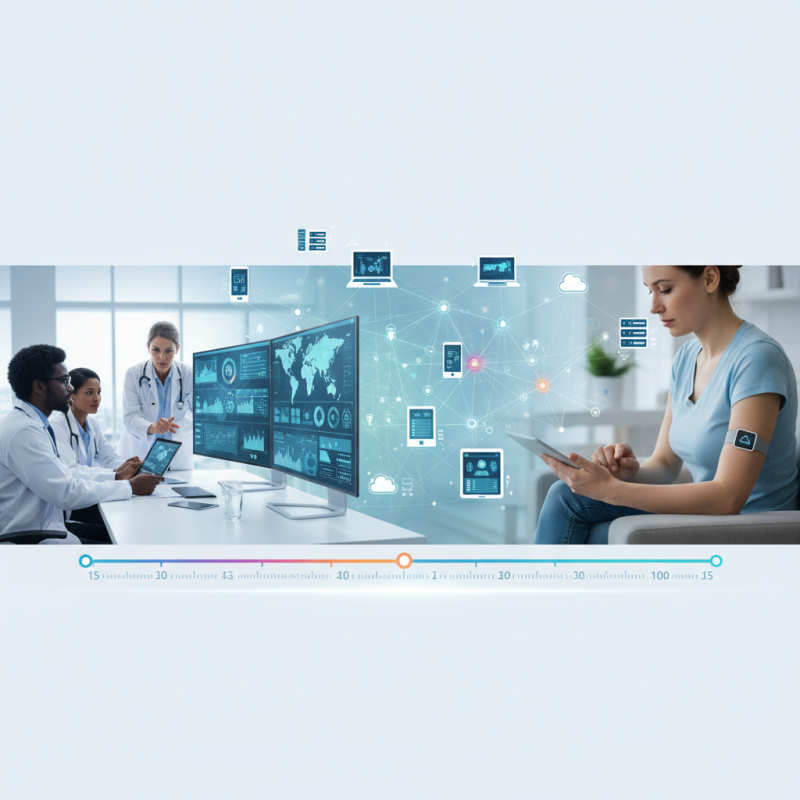
Understanding Remote Clinical Trial Monitoring
Remote clinical trial monitoring is transforming the landscape of research. By utilizing digital tools, researchers can track patient progress in real-time. This method enhances data collection processes, allowing for quicker adjustments in trial protocols. It eliminates many inefficiencies often associated with traditional monitoring.
Moreover, remote monitoring often reduces costs. Researchers save on travel expenses and logistics, increasing resource allocation to other critical areas. Virtual communication fosters collaboration among teams across the globe. Yet, reliance on technology isn’t without challenges. Potential technical glitches can disrupt data collection. Data security is a pressing concern that needs careful management.
Patient engagement becomes more vital in a remote setup. Participants must be motivated to use the technology and report data accurately. Miscommunication can lead to missed data points. Researchers need to address these issues proactively. Continuous training and support for patients are essential. Understanding these dynamics can lead to more effective trials.
How Does Remote Clinical Trial Monitoring Improve Efficiency?
This chart illustrates the impact of remote clinical trial monitoring on various efficiency metrics. The data reflects improvements observed in participant recruitment, data collection speed, and protocol adherence.
Key Benefits of Remote Monitoring in Clinical Trials
Remote clinical trial monitoring is transforming the research landscape. By utilizing technology, sponsors can streamline processes and enhance data collection. According to a recent industry report, remote monitoring can reduce patient dropout rates by up to 20%. This is critical for maintaining trial integrity and ensuring robust results.
A significant benefit of remote monitoring is the increased accessibility for participants. Patients can engage with studies from their homes, leading to greater diversity in participant demographics. Furthermore, real-time data sharing allows researchers to make informed decisions quickly. This agility can result in faster trial completion times. A study showed that trials with remote monitoring were completed 30% faster than traditional methods.
However, challenges still exist. While technology aids efficiency, it may also create a barrier for less tech-savvy participants. Ensuring usability across different demographics is an ongoing concern. Maintaining data security and privacy is another critical aspect that requires constant attention. Investing in training and support for both staff and participants is essential for overcoming these hurdles. The journey toward fully optimized remote monitoring is a work in progress.
Technologies Driving Efficiency in Remote Clinical Monitoring
Remote clinical trial monitoring has become an essential component in enhancing the efficiency of research processes.
Technology plays a pivotal role in this transition. Digital tools are facilitating real-time data collection and communication.
This allows for faster decision-making among teams. Utilizing cloud-based platforms ensures secure access to patient data, improving collaboration among stakeholders.
Tips: Ensure training for all team members on using these technologies effectively. A well-informed team maximizes the tools available.
Regular updates can help in identifying potential issues early.
Moreover, wearable devices and mobile applications provide continuous patient monitoring. This data helps in minimizing the gaps that traditional methods often leave.
However, the deployment of technology can present challenges. Not all patients are tech-savvy. Some may resist using new tools.
Addressing these concerns is crucial for smooth integration.
Tips: Engage patients early in the technology implementation process. Their feedback can guide necessary adjustments.
It is important to ensure they feel supported and understood. This establishes trust in the monitoring process.
Challenges and Solutions in Implementing Remote Monitoring
Remote clinical trial monitoring presents unique challenges that both researchers and clinical sites must navigate. One significant hurdle is ensuring data accuracy and security while transmitting sensitive information. Many sites lack the necessary infrastructure or expertise to handle remote technologies effectively. This gap can lead to inconsistencies in data collection and reporting, which ultimately affects trial outcomes.
Another concern is participant engagement. Remote monitoring relies heavily on patients’ willingness to use digital tools. Some patients may feel disconnected without face-to-face interactions with healthcare professionals. This can affect adherence to protocols. Additionally, technology can be intimidating for older patients. Training and user-friendly platforms are crucial, but not all sites offer adequate support.
Finally, regulatory compliance can be complicated. Different regions may have varying guidelines, making it difficult for teams to stay compliant. Adapting protocols for remote monitoring can also introduce new challenges. A well-defined strategy, involving ongoing education for staff and participants, is essential. Finding the right balance between remote efficiencies and personal engagement is an ongoing journey in clinical trial monitoring.
How Does Remote Clinical Trial Monitoring Improve Efficiency? - Challenges and Solutions in Implementing Remote Monitoring
| Dimension |
Description |
Impact |
Solution |
| Data Collection |
Remote monitoring allows for real-time data collection from participants. |
Improved data accuracy and reduced delays. |
Utilize wearable technology and mobile apps for seamless data capture. |
| Participant Engagement |
Increases participant involvement through easy-to-access platforms. |
Higher retention rates during trials. |
Implement regular follow-ups and feedback mechanisms via app notifications. |
| Cost Efficiency |
Reduces travel costs and administrative expenses associated with on-site visits. |
Cost savings for both organizations and participants. |
Shift to digital communication tools and electronic data submission processes. |
| Regulatory Compliance |
Ensures adherence to regulatory standards through remote monitoring solutions. |
Minimized risks of non-compliance and associated penalties. |
Invest in compliance tracking software integrated with monitoring tools. |
| Data Security |
Enhances protection of sensitive participant data during remote monitoring. |
Increased trust and confidence among participants. |
Implement robust encryption and data management policies. |
Future Trends in Remote Clinical Trial Management
Remote clinical trial management is redefining how studies are conducted. This innovative approach leverages technology to enhance efficiency. According to a recent report by the Tufts Center for the Study of Drug Development, remote monitoring can reduce trial timelines by up to 30%. This shift also addresses critical resource constraints and improves patient recruitment.
Future trends indicate that artificial intelligence (AI) will play a significant role. AI can streamline data collection and help identify potential issues early. With remote monitoring, data integrity improves significantly, yet challenges remain. Not all sites may have the necessary infrastructure, which could hinder participation. Additionally, ensuring data privacy continues to be a pressing concern.
Adoption rates for remote monitoring are climbing. A survey from the Clinical Trials Transformation Initiative revealed that 75% of clinical trial professionals view remote monitoring as essential. However, balancing technology and human oversight is crucial. While tech solutions can enhance efficiency, they cannot replace the nuanced insights provided by human monitors. Continuous feedback mechanisms are necessary to refine these approaches further.
FAQS
: Technology enhances efficiency through real-time data collection and communication. This allows teams to make faster decisions.
Ensure all team members are trained on the technologies. A knowledgeable team maximizes tool effectiveness.
Wearable devices and mobile apps provide continuous monitoring, reducing gaps left by traditional methods.
Not all patients are tech-savvy. Some may resist or feel intimidated by new tools.
Engage patients early in the process. Their feedback is crucial for making adjustments and building trust.
Ensuring data accuracy and security is vital. Many sites may lack the infrastructure to manage it.
Offer support and education. This helps connect patients to the monitoring process and encourages adherence.
Different regions have varying guidelines. Staying compliant can complicate remote monitoring strategies.
Inconsistencies in data collection can arise from inadequate infrastructure, impacting trial outcomes.
Balancing remote efficiencies with personal engagement remains an ongoing challenge in clinical trials.
Conclusion
Remote clinical trial monitoring represents a transformative approach to enhancing the efficiency of clinical research. By leveraging technologies such as telemedicine, data analytics, and electronic health records, remote monitoring allows for real-time data collection and patient engagement without the need for physical site visits. Understanding how does remote clinical trial monitoring work involves acknowledging the key benefits it offers, including reduced operational costs, faster patient recruitment, and improved data accuracy.
However, implementing remote monitoring comes with its challenges, such as ensuring data security and maintaining participant engagement. To address these challenges, innovative solutions like secure data platforms and user-friendly interfaces are being developed. Looking ahead, future trends in remote clinical trial management indicate a growing reliance on advanced technologies, promising even greater efficiency and effectiveness in clinical research practices.

 Trial Medical