How Does Remote Patient Monitoring Improve Patient Safety?

Time:2026-09-21 Author:Amelia
0%

Remote patient monitoring (RPM) brings selected health data from the home to a clinical team. A connected blood-pressure cuff may send a reading at 7 a.m. A pulse oximeter can reveal falling oxygen levels before a scheduled visit. These signals help professionals notice changes earlier, especially for people managing heart failure, diabetes, or postoperative recovery. Yet technology alone does not make care safe. It must support a documented care plan, validated devices, and clear escalation rules.

So, how does remote monitoring support patient safety? It creates a more continuous view of a patient’s condition between appointments. A nurse may call after repeated weight gain, review medication use, and arrange timely assessment. Alerts can reduce missed deterioration, but excessive alerts may cause fatigue. That weakness deserves attention. A quiet dashboard is not proof of stability. Clinicians still need context, direct conversations, and physical examinations when appropriate. Patients also need simple instructions, privacy safeguards, reliable connectivity, and a way to report symptoms that sensors cannot measure.

Strong RPM programs combine patient experience with clinical expertise and accountable oversight. Teams review alert thresholds, document decisions, and evaluate outcomes instead of assuming improvement. If a patient feels dizzy while the monitor shows a normal value, the symptom matters. Human judgment remains essential. RPM can support safer care, but it cannot replace it. Its value depends on trustworthy data, responsive professionals, and realistic workflows that patients can follow at home.
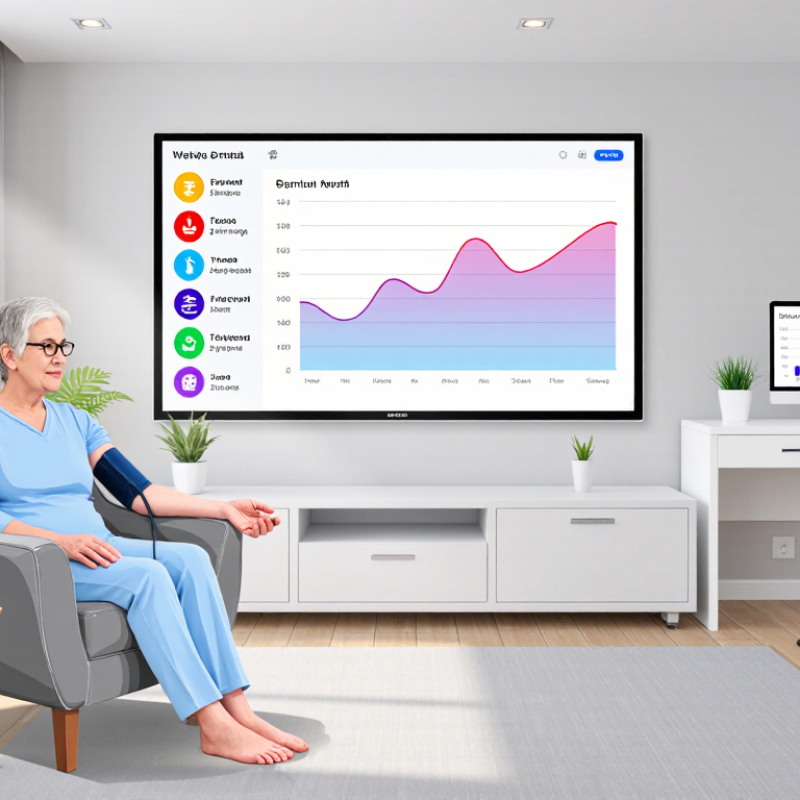
How Does Remote Patient Monitoring Improve Patient Safety?

What Remote Patient Monitoring Means in Modern Healthcare

Remote patient monitoring (RPM) means collecting health data outside a clinic and sending it to qualified healthcare professionals. Modern systems may track blood pressure, oxygen levels, glucose, weight, or heart rhythm. Patients use connected devices at home, during travel, or between appointments. That sounds simple. In reality, good RPM combines technology with clinical judgment, clear instructions, and timely communication.

From a patient-safety perspective, RPM can reveal small changes before symptoms become severe. A two-kilogram weight increase over several days may suggest fluid retention. A falling oxygen reading may require prompt clinical assessment. Nurses can review trends instead of relying only on a patient’s memory. However, alerts are not diagnoses. Each result needs context, including medication changes, activity, device accuracy, and existing conditions. Too many alerts can also create fatigue and delay attention to serious cases.

Reliable RPM requires secure data handling, informed consent, regular device checks, and accessible support. A patient with poor internet access may submit incomplete readings. Another person may feel anxious when numbers fluctuate naturally. These weaknesses deserve honest attention. Human judgment remains essential. Healthcare teams should confirm unusual results, explain the next step, and document decisions clearly. RPM is not simply a digital replacement for an appointment; it is a continuing care process that depends on trust, training, and practical follow-up.

How Remote Patient Monitoring Collects and Transfers Patient Data

Remote patient monitoring improves safety by bringing clinical information into daily life, not only into scheduled appointments. A wearable sensor may record heart rate, oxygen saturation, blood pressure, or glucose levels. Some devices collect readings every few minutes. Others depend on the patient’s manual input. A bedside monitor can send a morning blood pressure reading through a secure mobile connection. Small details matter.

Before transmission, the device should check whether the reading is complete and plausible. A loose sensor can produce an unusually low oxygen value. The system may request another measurement instead of raising immediate alarm. Patient data is then encrypted during transfer and stored in controlled clinical systems. Access records show who viewed each result. Permission settings should match the patient’s care plan and local privacy requirements. Clear instructions help patients understand when to measure, rest, or contact a professional.

On the clinical side, software can organize incoming data by time, trend, and risk level. A nurse may see three rising blood pressure readings rather than one isolated number. Alerts can support faster review, but they should not replace clinical judgment. No system is flawless. A weak internet signal, dead battery, or misunderstood instruction can interrupt the data pathway. Regular equipment checks and human follow-up remain essential. In practice, a short phone call may reveal that an alarming reading came from a patient who had just climbed stairs.

How Does Remote Patient Monitoring Improve Patient Safety? - How Remote Patient Monitoring Collects and Transfers Patient Data

Patient Data Dimension Typical Measurement or Source Collection Method Data Transfer Path Patient-Safety Benefit Example Clinical Response
Blood pressure Systolic pressure, diastolic pressure, and pulse rate Validated automated upper-arm cuff used according to the care plan Device records the reading and sends it through a paired mobile device or cellular connection to a secure monitoring platform Supports earlier identification of uncontrolled hypertension, hypotension, or a concerning change from the patient’s usual readings A clinician reviews the trend, confirms the reading, assesses symptoms, and adjusts follow-up or treatment when appropriate
Blood oxygen saturation Oxygen saturation and pulse rate Finger pulse oximeter used while the patient is still and following the prescribed instructions Reading is transferred electronically to the monitoring application and stored with a timestamp Can help identify possible respiratory deterioration when interpreted with symptoms, baseline values, and measurement quality The care team checks the measurement, asks about breathing difficulty, and directs urgent evaluation when clinically necessary
Body weight Daily or scheduled body weight Connected digital scale or patient-entered measurement Measurement is transmitted through a secure application or network connection to the clinical dashboard Trend monitoring may reveal fluid retention or worsening heart-failure symptoms before the patient recognizes a major change A clinician reviews the trend with symptoms and medication information before deciding on advice, testing, or escalation
Blood glucose Glucose values, measurement time, and related notes Connected blood-glucose meter or continuous glucose monitoring system Data is uploaded through a secure application or approved clinical data channel Helps identify repeated high or low glucose readings and supports safer diabetes-management decisions The care team reviews patterns, confirms urgent readings when needed, and provides individualized instructions
Heart rate and rhythm Pulse rate, rhythm strips, or wearable-derived activity and heart-rate information Home electrocardiogram device, cardiac monitor, or compatible wearable sensor Recorded data is encrypted during transmission to a secure review system when supported by the care program May support recognition of clinically significant rhythm changes, especially when combined with symptoms and medical history A qualified clinician interprets the recording and determines whether routine follow-up or urgent assessment is appropriate
Temperature and symptoms Temperature, pain, cough, shortness of breath, fatigue, or other patient-reported symptoms Digital thermometer and structured questionnaires in a patient portal or mobile application Patient-entered information and device readings are time-stamped and sent through a secure connection Combining symptoms with physiological data provides clinical context and can support earlier assessment of possible deterioration A triage professional contacts the patient, clarifies warning signs, and recommends the appropriate level of care
Adherence and activity Medication reminders, completed measurements, activity levels, and missed submissions Patient confirmation, connected devices, or activity sensors used within the care plan Events are logged in the monitoring platform and may generate a review task when predefined conditions are met Helps distinguish a missing measurement from a clinical change and supports timely outreach when monitoring requirements are not completed The care team checks barriers such as device problems, illness, or access difficulties and provides assistance
Alerts and escalation Values outside an individualized range, rapid changes, symptom combinations, or repeated missed readings Rule-based software flags data for review; alerts are configured by the responsible care team Secure transmission sends the relevant reading, timestamp, and patient context to an authorized clinical dashboard Creates a structured pathway for reviewing concerning information and reducing delays in clinical follow-up The clinician validates the data, contacts the patient when indicated, documents the decision, and escalates emergencies to local services

Safety note: Remote patient monitoring supports, but does not replace, in-person assessment or emergency care. Readings should be interpreted by qualified healthcare professionals within the patient’s clinical context.

How Continuous Monitoring Helps Detect Health Risks Early

Remote patient monitoring improves safety by making small health changes visible before they become emergencies. A single high blood pressure reading may be temporary. A rising pattern across three mornings deserves attention.

Continuous monitoring can track oxygen saturation, pulse, temperature, weight, or glucose, depending on the patient’s condition. When readings cross an agreed clinical threshold, trained staff can review the result and contact the patient. They may ask about breathlessness, dizziness, swelling, missed medication, or a new infection. These details connect numbers with real symptoms. That matters.

Early detection supports faster decisions, but monitoring is not magic. Devices can be misplaced, used incorrectly, or disconnected. False alarms may worry patients and overload care teams. Clear instructions, regular equipment checks, and documented escalation plans can reduce these risks. Clinicians should confirm unusual readings instead of treating every alert as a diagnosis. In practice, a calm phone call may uncover a serious change—or reveal a faulty sensor. The process is useful, yet imperfect. It needs review.

How Clinicians Use Remote Data to Guide Timely Interventions

Remote patient monitoring helps clinicians see changes before a scheduled visit. A home blood-pressure reading of 178/102 may trigger a same-day review. That signal is only a starting point. Clinicians compare repeated readings with symptoms, medication changes, and recent medical history. An isolated result can reflect stress, movement, or an incorrect cuff position. Trends matter more.

Care teams set patient-specific thresholds and define clear escalation steps. If oxygen levels fall repeatedly, a nurse may contact the patient and assess breathing difficulties. Questions about chest pain, confusion, or severe weakness can change the response immediately. Timely action may include medication guidance, an urgent appointment, or emergency referral. Small changes can prevent larger complications. Sometimes, the safest decision is to wait and repeat the measurement. Human judgment remains central.

In practice, reliable monitoring depends on accurate devices and consistent patient use. Patients need simple instructions, suitable measurement times, and a clear contact route. Clinicians also need dashboards that show meaningful trends rather than endless alerts. Remote data can be delayed, incomplete, or misunderstood. It can also create alert fatigue. Not every alert deserves the same urgency. Protocols help, but they require regular review and clinical oversight. A missed symptom still matters, even when the numbers look reassuring.

Key Safety Challenges in Remote Patient Monitoring Systems

How Does Remote Patient Monitoring Improve Patient Safety?

Key Safety Challenges in Remote Patient Monitoring Systems

Remote patient monitoring can reveal deterioration before a routine appointment. A rising temperature, irregular pulse, or falling oxygen level may prompt earlier clinical review. Yet the system is only as safe as its complete workflow. Devices need clear instructions, regular maintenance, and checks for inaccurate readings. A loose sensor can create a reassuring number that does not reflect the patient’s condition.

Alert overload is another serious challenge. Not every alert means danger. If a clinical team receives hundreds of low-priority notifications, urgent warnings may receive delayed attention. Each program needs evidence-based thresholds, defined response times, and documented escalation steps. Patients should know who will contact them, especially at night or during weekends. Silence can become a safety risk.

Privacy and communication also require practical attention. Shared homes may expose sensitive readings, while poor internet access can interrupt data transmission. Patients with limited digital skills may press the wrong button or stop using the device. Simple demonstrations help, but one explanation is rarely enough. Teach-back can reveal misunderstandings. Human judgment still matters.

Even well-designed systems have weaknesses. A patient may feel worse while measurements remain normal. Clinicians should compare digital readings with symptoms, medication changes, and physical assessment. Regular audits can identify missed alerts, delayed responses, and confusing instructions. The uncomfortable question is whether the program is improving care or merely producing more data.

FAQS

What is remote patient monitoring?

Remote patient monitoring collects health readings outside clinics and sends them to qualified healthcare professionals. Patients may measure blood pressure, oxygen levels, glucose, weight, or heart rhythm at home. It is ongoing care.

How can remote monitoring improve patient safety?

It can reveal changes before a scheduled appointment. For example, a two-kilogram weight increase may suggest fluid retention. A falling oxygen reading may require prompt clinical review. Early information can support earlier action.

Are remote monitoring alerts medical diagnoses?

No. An alert is not a diagnosis. Clinicians must consider symptoms, medicines, activity, and existing conditions. A loose sensor can produce a falsely reassuring number. Numbers need context.

What problems can inaccurate devices create?

Incorrect readings may delay needed care or cause unnecessary worry. Devices require clear instructions, regular checks, and proper placement. Patients should repeat unusual results when advised. Sometimes, the workflow fails.

How should healthcare teams manage too many alerts?

Programs need evidence-based thresholds and clear response times. They also need documented escalation steps. Hundreds of low-priority alerts can hide urgent warnings. Alert fatigue is real.

What should patients know about communication?

Patients should know who reviews readings and who contacts them. Instructions should cover evenings, weekends, and unexpected symptoms. Silence can become a safety risk. Do not assume someone is watching every minute.

How can patients protect privacy and improve data quality?

Patients should use secure connections and understand their consent choices. Shared homes may expose sensitive health readings. Poor internet access can interrupt transmission. Simple demonstrations and teach-back can uncover misunderstandings.

Can remote monitoring replace clinic appointments?

No. It supports continuing care but does not replace clinical judgment. A patient may feel worse while readings appear normal. Clinicians should compare data with symptoms, medicines, and physical assessment. The system is helpful, not perfect.

Conclusion

Remote patient monitoring (RPM) is a modern healthcare approach that allows patients to share health information from home through connected devices and digital platforms. Measurements such as blood pressure, heart rate, oxygen levels, blood glucose, and weight can be collected regularly and transferred securely to healthcare teams. This process provides clinicians with a broader and more continuous view of a patient’s condition than occasional in-person visits alone. In this context, how does remote monitoring support patient safety? It helps identify concerning changes earlier, making it possible to respond before a condition becomes more serious.

Clinicians can review incoming data, compare it with personalized care plans, and contact patients or arrange timely medical evaluation when warning signs appear. RPM may also improve communication, encourage treatment adherence, and reduce delays in care. However, its safety depends on accurate devices, reliable connectivity, clear alert thresholds, data privacy, and effective follow-up procedures. Patients and care teams must also understand the system’s limitations so that remote information complements, rather than replaces, appropriate professional assessment.

Amelia

Amelia

Amelia is a seasoned marketing professional with a wealth of expertise in our company’s core offerings. With an unwavering passion for driving growth and innovation, she plays a pivotal role in shaping our marketing strategies and enhancing brand visibility. A key aspect of her responsibilities......