Wearable devices are revolutionizing clinical trials by improving data collection methods. Dr. Emily Chen, a leading expert in digital health, states, "Wearable technology empowers researchers to gather real-time insights like never before." This shift raises an important question: how do wearable devices support clinical trials?
In traditional trials, data collection often relied on patient self-reporting. This method can introduce bias and inaccuracies. Wearable devices provide objective data, offering a clearer picture of a patient's health. Sensors track metrics such as heart rate, sleep patterns, and physical activity continuously. However, the effectiveness of these devices can vary across different populations.
Real-world settings present challenges for data accuracy and device compliance. Some subjects may forget to wear devices or encounter technical issues. Researchers must address these concerns to maximize the benefits of wearables. The promise of enhanced data integrity must be weighed against the practical obstacles faced in clinical settings.
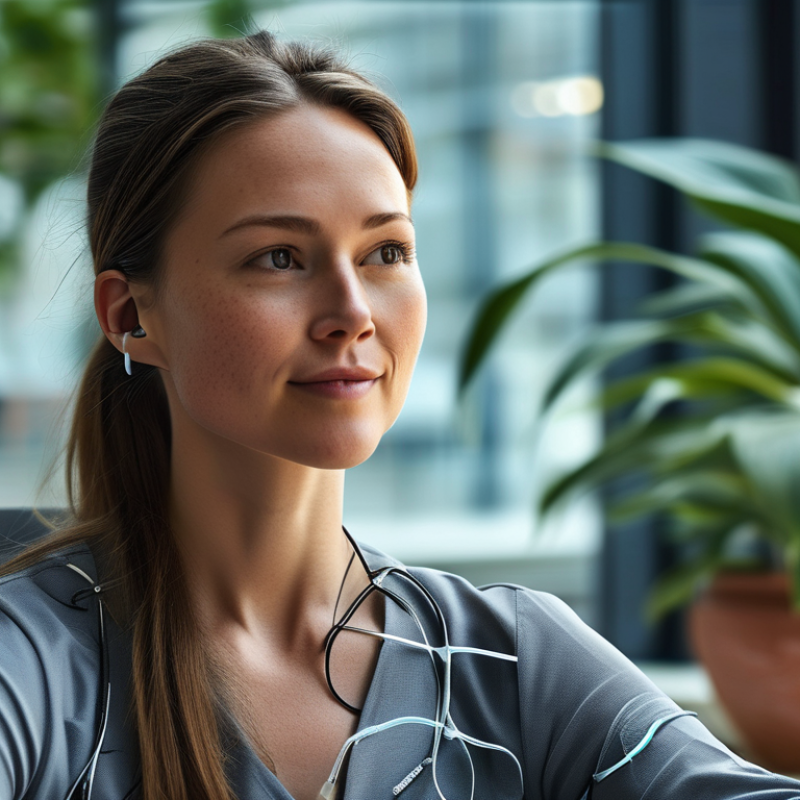
Wearable devices are increasingly becoming vital in modern clinical trials. These devices provide continuous and real-time data collection from participants. A 2022 study found that 70% of clinical trial sites noted improved data accuracy due to wearables. This technology allows for remote monitoring, reducing patient visits to trial sites. Participants can engage more comfortably in their everyday environments.
Data gathered from wearables can enhance the depth of trial insights. Sensors track vital signs, activity levels, and even sleep patterns. According to a recent report, incorporating wearables can lower data collection costs by up to 30%. However, challenges remain. Not all participants may be tech-savvy, which can affect data reliability. Additionally, ensuring patient privacy is crucial; breaches could hinder participation.
While wearables show promise, the integration of such technology should be approached cautiously. Researchers must remain vigilant about data accuracy. It is essential to address participants’ concerns regarding device usage and data security. As the landscape of clinical trials evolves, balancing innovation with patient engagement remains a critical challenge.
Wearable devices have become pivotal in clinical research. They offer real-time data collection, enhancing the accuracy of trial results. These devices can monitor vital signs, sleep patterns, and physical activity. Heart rate monitors, smartwatches, and fitness trackers are common examples. They provide continuous data that traditional methods simply cannot match.
Sensors in wearables can identify early signs of health issues. For instance, a sudden spike in heart rate may indicate an adverse event. Such immediate feedback can lead to quicker interventions. However, relying solely on wearables might overlook complex health aspects. They may not capture mental health or social influences effectively. Researchers must balance technology with holistic patient assessments.
As clinical trials evolve, integrating wearables presents challenges. Data privacy and patient consent are critical. Ensuring the reliability of gathered data is essential. There's a risk that the information could be misinterpreted. Continuous training for staff on device management is vital for accurate usage. Embracing wearables is a step forward, yet careful consideration is necessary.
This chart shows the distribution of different types of wearable devices utilized in clinical trials, highlighting their significance in data collection for improving patient monitoring and outcomes.
Wearable devices are revolutionizing clinical trials by enabling real-time data collection. These gadgets gather critical health metrics, such as heart rate, steps, and sleep patterns. This allows researchers to obtain a continuous stream of data, which paints a more accurate picture of a participant's health. Instead of relying solely on intermittent doctor visits, wearables create a holistic view of a patient’s condition.
Real-time data collection from wearables has significant benefits. First, it provides immediate feedback to both participants and researchers. This instant access can highlight issues quickly, guiding necessary adjustments to treatment or lifestyle. Also, the data is often more accurate than self-reported measures, reducing biases. However, this technology may raise concerns about data privacy and participant engagement. Some may hesitate to wear devices, fearing constant monitoring or data misuse.
Nonetheless, the advantages of using wearables in clinical trials cannot be overlooked. They enhance patient involvement, leading to better adherence to protocols. Moreover, the continuous data stream can reveal subtle trends that traditional methods might miss. Yet, researchers must constantly evaluate how to balance technology’s benefits with ethical considerations. As the field evolves, finding ways to address these challenges will be key to maximizing the potential of wearables in clinical settings.
| Data Collection Dimension | Traditional Method | Wearable Device Method | Benefits |
|---|---|---|---|
| Heart Rate Monitoring | Periodic clinic visits | Continuous real-time monitoring | Enhanced accuracy, immediate data analysis |
| Activity Levels | Survey-based self-reporting | Automated tracking via wearables | Objective data, reduced bias |
| Sleep Patterns | Questionnaires and logs | Nightly tracking with devices | High-frequency data capture, better insight |
| Medication Adherence | Patient self-reporting | Automated reminders and tracking | Increased adherence rates, real-time alerts |
| Physiological Measurements | Laboratory tests | Wearable sensors | Immediate feedback, less invasive |
Wearable devices have revolutionized data collection in clinical trials, yet several challenges persist. One major issue is data integration. According to a recent report from the FDA, 73% of clinical trial professionals cite difficulties in merging wearable data with existing electronic health records. This lack of interoperability can lead to significant data silos, making it hard to gain a comprehensive view of a participant's health.
Another challenge lies in data reliability. Wearable devices can produce vast amounts of information, but not all data is clinically relevant. A study published in JAMA found that 30% of data collected from wearables may be erroneous, raising concerns about the accuracy of findings. Researchers must develop methods to filter and validate the data before it can inform medical decisions.
Finally, regulatory hurdles pose questions for researchers. The FDA's guidelines are still evolving for wearables used in trials. Researchers often find themselves navigating a complex landscape of regulations, which can delay trials. Ensuring compliance while maximizing the potential of wearable tech remains a balancing act that demands continuous attention and adaptation.
Wearable technology is transforming how clinical data is collected. In recent years, devices like fitness trackers and smartwatches have become prevalent in clinical trials. A report by Fortune Business Insights projects that the wearable medical device market will reach $27.91 billion by 2026, growing at a CAGR of 26.9%. This growth reflects a strong shift toward more personalized and continuous data collection.
These devices provide real-time monitoring of health metrics, such as heart rate and activity levels. They can even track sleep patterns, which is crucial for many studies. However, challenges remain. Data accuracy and participant compliance can vary significantly. In a survey conducted by Research Insights, 25% of respondents noted issues with participant engagement when using wearables. This indicates a need for better strategies to encourage user adoption.
Looking ahead, expect advancements in data integration. Future wearables might seamlessly sync with electronic health records. Interoperability will likely enhance data reliability. It's essential, though, to consider data privacy concerns. How can we ensure that sensitive health information remains secure? As wearables evolve, researchers must address these issues openly. This will be crucial for maintaining trust and integrity in clinical trials.
: Wearable devices collect real-time data from participants, improving data accuracy and reducing site visits.
They track vital signs, activity levels, and sleep patterns, adding depth to trial insights.
Wearables can lower data collection costs by up to 30% and improve participant comfort during trials.
Not all participants may be tech-savvy, which can affect the reliability and accuracy of collected data.
Patient privacy is a major concern; breaches could reduce willingness to participate in trials.
Data accuracy and participant compliance can vary, complicating the interpretation of results.
Future devices may sync with electronic health records, enhancing the reliability of collected data.
Addressing data privacy openly and thoroughly will be crucial for maintaining trust among participants.
The market is expected to reach $27.91 billion by 2026, with a strong growth rate forecast.
Better strategies are needed to enhance user adoption and engagement, as compliance can be an issue.
Wearable devices have become increasingly important in enhancing clinical trial data collection by providing real-time monitoring of participants' health metrics. These devices, ranging from fitness trackers to advanced biosensors, facilitate continuous data gathering that can lead to more accurate and comprehensive insights into treatment effects. By understanding how wearable devices support clinical trials, researchers can harness benefits such as improved patient engagement and adherence, as well as the ability to collect large volumes of data efficiently.
However, the integration of wearable data into clinical trials does present challenges, including data privacy concerns and the need for standardization. As technology advances, future trends in wearable devices are expected to further refine the data collection process, potentially revolutionizing the way clinical research is conducted. This evolution will not only enhance the quality of clinical trials but also pave the way for personalized medicine.

Trial Medical