Difference Between Traditional and Remote Clinical Trials Explained

Time:2026-06-19 Author:Madeline
0%

Clinical trials are essential for medical advancements. They help determine the safety and efficacy of new treatments. As technology evolves, so do the methods used in these trials. This brings us to an important question: what is the difference between traditional and remote clinical trials?

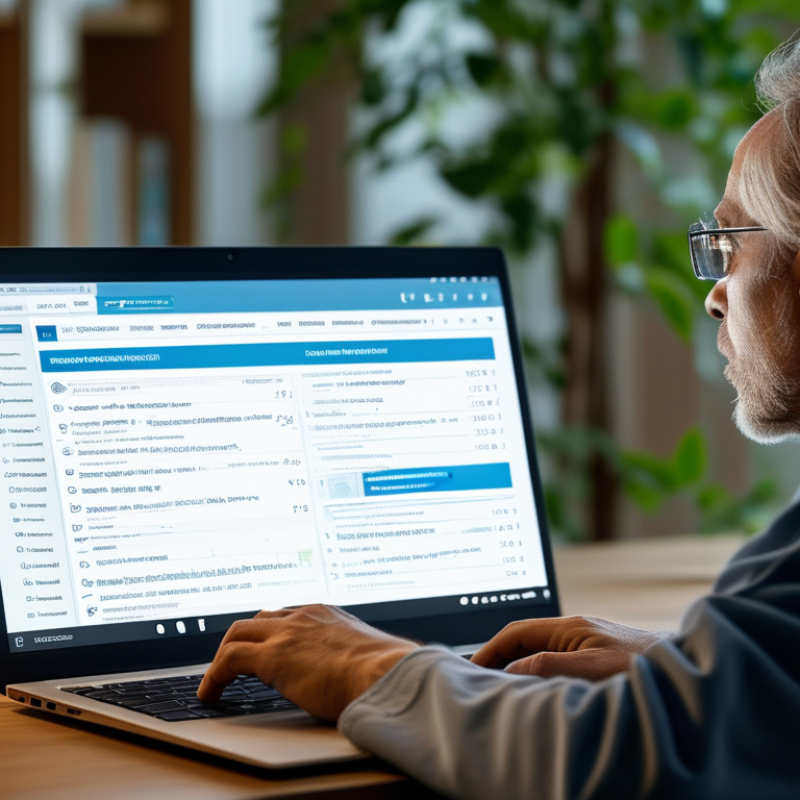
Traditional clinical trials often require participants to visit clinics regularly. These visits can be time-consuming and burdensome. Patients may miss appointments due to travel issues or personal obligations. In contrast, remote clinical trials leverage digital tools. Participants can engage from their homes, using mobile apps and telemedicine. This flexibility may improve recruitment and retention rates.

However, remote trials have their challenges. Not all patients are tech-savvy, and some may feel isolated. Data collection can be less direct compared to in-person assessments. Researchers must ensure data accuracy and participant safety. Understanding these differences helps stakeholders make informed decisions about study designs and participant engagement strategies.
Difference Between Traditional and Remote Clinical Trials Explained

Traditional Clinical Trials: An Overview

Traditional clinical trials are structured studies aimed at determining the effectiveness and safety of new medical treatments. Participants usually visit a trial site for regular check-ins, screenings, and treatment administration. This face-to-face interaction offers researchers valuable information about patient responses. However, it can be burdensome for participants due to travel and time commitments.

Tips: If you're considering joining a trial, ask about the commitment level. Understanding the schedule and required visits can help you manage your time better.

The design of traditional trials often leads to a narrow participant pool. This limitation can affect the generalizability of results. Since only specific groups are involved, findings may not represent broader populations. Researchers must strive for diversity but face challenges in recruitment due to accessibility issues.

Tips: Look for trials that actively recruit diverse populations. A diverse participant base enhances the reliability of the trial's outcomes. It is crucial for the scientific community and sponsors to prioritize inclusive practices.

Key Characteristics of Traditional Clinical Trials

Traditional clinical trials have been the backbone of medical research for decades. They typically occur in controlled environments, such as hospitals and clinics. Patients visit sites regularly for assessments and treatment. This setting allows for close monitoring of participants. In 2022, nearly 80% of clinical trials were conducted in traditional settings, according to a report by the Clinical Trials Transformation Initiative.

The characteristics of traditional trials include strict protocols and well-defined eligibility criteria. These criteria help ensure a homogeneous study population but can also limit participant diversity. A 2023 analysis highlighted that only 5-10% of cancer patients meet the criteria for oncology trials. This exclusion impacts the generalizability of findings to the broader patient population. Furthermore, logistical challenges frequently arise. Patients may struggle with transportation or scheduling that could lead to dropouts.

Patient engagement is another critical aspect of traditional trials. The frequency of site visits can be burdensome. A study found that 30% of participants dropped out due to these demands. Additionally, traditional trials often rely on in-person assessments, which may not reflect real-world conditions. This disconnect calls for a reevaluation of conventional approaches. Moving towards a more inclusive model is essential for the future of clinical research.

Understanding Remote Clinical Trials: Definition and Benefits

Remote clinical trials have gained traction as a flexible alternative to traditional methods. These trials utilize digital technologies to monitor patients outside clinical settings. This approach provides participants with convenience, allowing them to engage in studies from home. As a result, patient recruitment often increases. This accessibility can lead to more diverse participant populations, which is essential for comprehensive research.

Moreover, remote trials generate real-world data. This data reflects how treatments perform in everyday settings. It contributes to a more accurate understanding of a drug’s effectiveness. However, challenges exist. Ensuring data security and maintaining participant engagement can be difficult. Participants may also feel isolated without in-person interactions. Effective communication strategies and support systems are crucial to address these concerns.

In summary, remote clinical trials present several benefits while also posing unique challenges. Striking a balance between technology and human connection is essential. Researchers must continually assess and adapt their approaches to maximize the potential of these trials.

Comparative Analysis: Traditional vs. Remote Clinical Trials

When comparing traditional and remote clinical trials, several key factors emerge. Traditional trials often require patients to visit clinics for assessments. These visits can pose challenges such as transportation issues or time constraints. On the other hand, remote trials leverage technology, allowing patients to participate from the comfort of their homes. This leads to greater patient convenience and potentially higher retention rates.

Data collection methods differ significantly between the two. Traditional trials typically rely on in-person assessments and direct observations. Remote trials, however, utilize wearable devices and mobile applications for real-time data gathering. This innovative approach can yield rich datasets. Nevertheless, it raises questions about data accuracy and patient compliance, which need careful consideration.

Recruitment also varies. Traditional clinical trials may struggle to find diverse populations. Remote trials can reach broader demographics, breaking geographical barriers. Yet, not all patients are comfortable with technology. This gap indicates areas needing improvement in user training and support. Ensuring equitable access remains essential for both trial types. Each model has strengths and weaknesses, making ongoing evaluation vital.

Challenges and Considerations in Remote Clinical Trials

Remote clinical trials have revolutionized the landscape of research, but they come with significant challenges. One central issue is participant engagement. Researchers often struggle to maintain consistent communication. Ensuring that participants remain invested over time requires innovative strategies. Frequent updates and personalized support can help bridge this gap.

Data collection is another hurdle. Remote trials depend heavily on technology. While this can streamline processes, it also raises concerns about data integrity. Flaws in software or connectivity issues can lead to incomplete datasets. Researchers must adopt robust systems and regularly assess their reliability.

Additionally, regulatory compliance presents a unique challenge. Different regions have varying requirements for remote trials. Ensuring that all local regulations are met can be time-consuming and complex. This requires in-depth knowledge and careful monitoring throughout the study. Adaptability and thorough training for staff are essential to navigate these waters successfully.

FAQS

: What are traditional clinical trials?

: Traditional clinical trials are structured studies to evaluate new medical treatments' effectiveness and safety.

What is the typical participant experience in these trials?

Participants usually have regular check-ins at a trial site for screenings and treatment administration.

What challenges do participants face in traditional trials?

Travel and time commitments can be burdensome for participants, potentially impacting their willingness to join.

How can I better manage my participation in a trial?

Ask about the trial's commitment level and required visits. This can help you manage your time effectively.

Why is diversity important in clinical trials?

A diverse participant base enhances the reliability of trial outcomes, making results more representative of the general population.

What is the difference in recruitment between traditional and remote trials?

Traditional trials may struggle with diversity, while remote trials can reach broader demographics beyond geographical limits.

What data collection methods are used in remote trials?

Remote trials use wearable devices and mobile apps for real-time data gathering, which differs from traditional in-person methods.

What concerns exist about remote trials?

Issues of data accuracy and patient compliance arise, indicating the need for careful consideration and support.

How does technology impact participation in trials?

Not all patients are comfortable with technology, suggesting a need for improved user training and accessibility.

What should researchers focus on to enhance trial inclusivity?

Researchers must prioritize inclusive practices and strive for diverse participant recruitment to ensure equitable access for all.

Conclusion

The article "Difference Between Traditional and Remote Clinical Trials Explained" delves into the fundamental aspects distinguishing traditional clinical trials from their remote counterparts. Traditional clinical trials typically involve in-person visits to research sites, where participants are monitored and data is collected through conventional methods. Key characteristics include strict protocols, extensive documentation, and reliance on specific geographical locations for participant recruitment.

In contrast, remote clinical trials leverage technology to facilitate patient participation from various locations, offering unique benefits such as increased accessibility and flexibility for participants. The article also provides a comparative analysis of both trial types, highlighting the efficiency and scalability of remote trials. However, challenges like technological interoperability and data privacy are addressed, ensuring a comprehensive understanding of what is the difference between traditional and remote clinical trials. Through this exploration, readers gain insight into how these evolving methodologies can shape the future of clinical research.

Madeline

Madeline

Madeline is a dedicated marketing professional with a wealth of expertise in our company's core offerings. With a keen understanding of the industry, she brings a unique perspective to her role, consistently delivering high-quality content that highlights the superior aspects of our products. As......